Western Cape Teen Linked to FBI and '764' Investigation Faces Over 10 Charges
A teenager from Malmesbury in the Western Cape is facing more than 10 charges in an investigation involving the FBI. The case is reportedly connected to a network referred to as '764', drawing national attention to the quiet Swartland town.
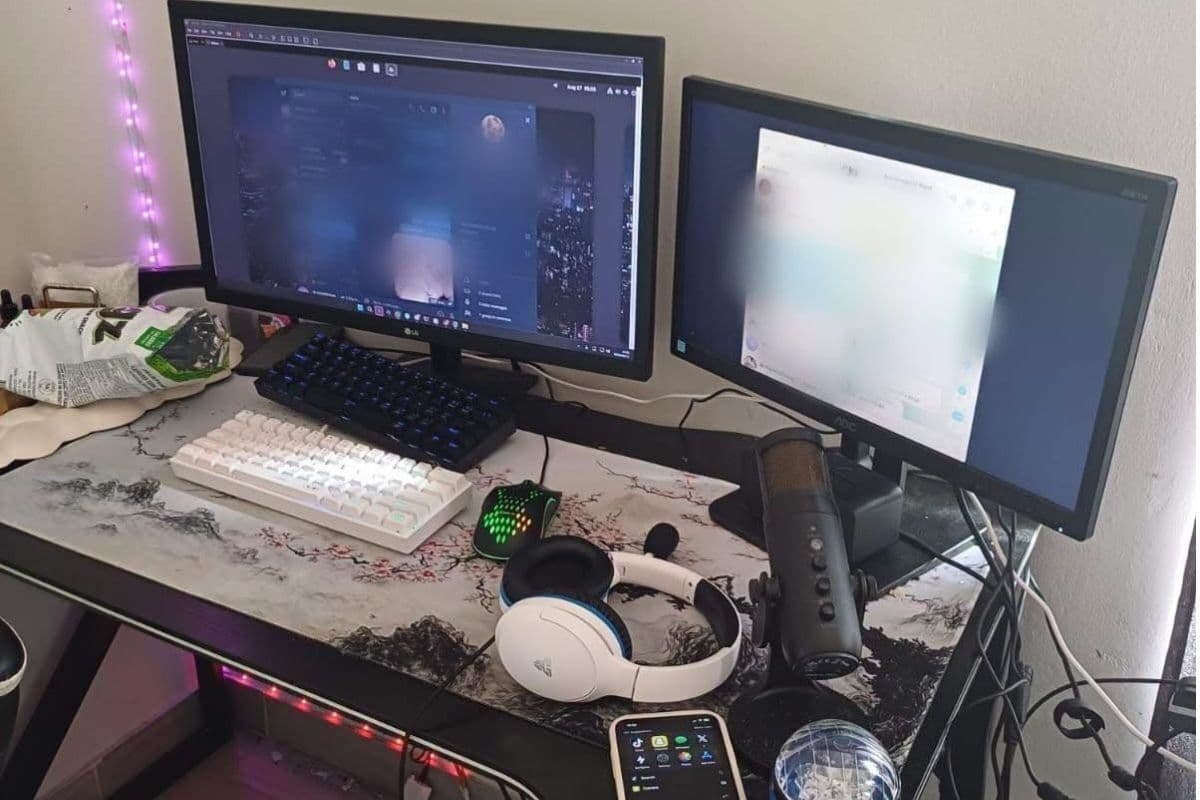
A teenager from Malmesbury in the Western Cape is facing more than 10 criminal charges in a major investigation linked to the United States' Federal Bureau of Investigation (FBI) and a network referred to as "764". The development, which came to light on 18 August 2026, has sent shockwaves through the local community and raised serious questions about international cyber-linked investigations reaching into South African towns.
Details surrounding the case remain tightly guarded by law enforcement agencies. What is currently confirmed is that the suspect is a minor residing in the Western Cape province, specifically in the Swartland town of Malmesbury. Due to the suspect's age, South African law strictly prohibits the publication of any identifying details, including the teenager's name, school, or exact age. This legal protection is standard practice in the country's justice system to safeguard the rights of minors facing trial.
The teenager has been hit with more than ten distinct charges. However, the precise legal nature of these charges has not yet been publicly disclosed by the National Prosecuting Authority (NPA) or the South African Police Service (SAPS). It remains unclear whether the charges relate to cybercrimes, financial fraud, online exploitation, or other illicit activities. The lack of specific details has led to widespread interest as the public awaits formal court appearances to shed light on the docket.
The involvement of the FBI is one of the most notable aspects of this case. The connection to a prominent foreign federal agency indicates that the investigation is transcontinental. This suggests that the alleged activities of the Malmesbury teenager were not confined to South Africa but crossed international digital borders. Such joint operations typically involve the sharing of digital forensics and intelligence between South African authorities and their American counterparts.
Adding to the complexity is the explicit link to "764". While local authorities have not officially defined the parameters of the "764-link" in this specific instance, the term is known internationally in the context of covert digital groups. The association suggests that the teenager may have been participating in or communicating through global online networks that have drawn the active monitoring of international law enforcement.
For the residents of Malmesbury, a historic agricultural hub located approximately 65 kilometres north of Cape Town, the news has come as a profound shock. The town is not typically associated with high-profile international crime investigations, making the FBI's connection to a local youth particularly alarming for the community. It highlights the reality that digital connectivity allows global networks to reach individuals in any corner of the country.
The case carries significant practical implications for South African parents, educators, and policymakers. It underscores the growing challenges of monitoring youth activity in virtual spaces. As international law enforcement agencies step up their surveillance of global online groups, South African internet users, including minors, are increasingly subject to global scrutiny. This case serves as a critical warning about the severe legal consequences of engaging with illicit online groups.
Moving forward, the public and legal analysts will be watching the Western Cape courts closely. Key aspects to monitor include the scheduling of the teenager's initial court appearances, whether the proceedings will be closed to the public to protect the minor, and whether South African authorities will release further details regarding the nature of the international cooperation. The outcome of this case could set a significant precedent for how South Africa handles cross-border digital offences involving minors.
Reporting record
How this story was produced
This article was AI-generated from the frozen trend evidence and passed deterministic quality and safety gates. No cross-provider evidence review or independent human verification is claimed for this record.
- Byline
- Newstrends AI Newsroom
- First published
- Last material update
- No later material update recorded
- Distinct source identifiers
- 1 retained source identifier
Frozen source links for this publication
Chronology
Story timeline
A generated chronology for orientation; dates and details may require source verification.
Update
News emerges that a Malmesbury teenager has been charged with more than 10 offences in a case linked to the FBI and '764'.
Reader file
Frequently asked questions
01Where did the charges against the teenager originate?
The charges involve a teenager residing in Malmesbury, a town in the Western Cape province of South Africa.
02Why are the specific details of the charges not public?
Because the suspect is a teenager, their identity is protected under South African law, and detailed specifics of the charges have not yet been fully released by authorities.
03What is the FBI's connection to this South African case?
The investigation is linked to the United States' Federal Bureau of Investigation (FBI), indicating a transnational element to the case, though their exact role remains unconfirmed.
Keep reading
Related coverage
More published reporting connected to this story.
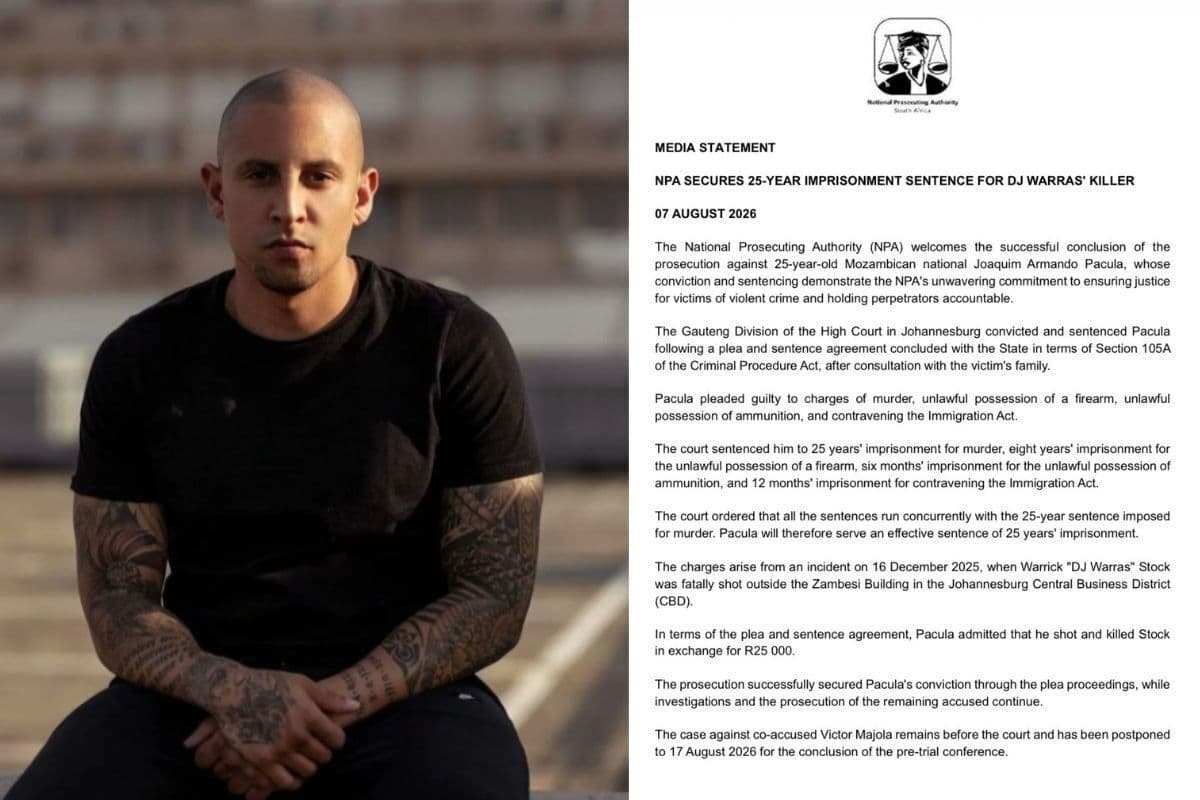
DJ Warras Murder: Convicted Killer Reveals Payment Details as Police Share How They Tracked Him Down
A convicted killer in the DJ Warras murder case has revealed the payment received for the hit. Police have also detailed the tracking methods used to apprehend the perpetrator, marking a major step in the high-profile investigation.
Brazen Armed Robbery Reported at Merebank Kali Amman Community Temple
Reports of an armed robbery at the Merebank Kali Amman community temple have sparked widespread concern across South Africa. While the incident has drawn significant public attention, official details regarding suspects, injuries, and stolen items remain unconfirmed.
Murder Investigation Launched After 25-Year-Old Woman Shot Dead in Wentworth
A formal murder investigation has been initiated following the tragic shooting of a 25-year-old woman in Wentworth. The incident occurred while the victim was walking, prompting calls for information as authorities seek to identify suspects.
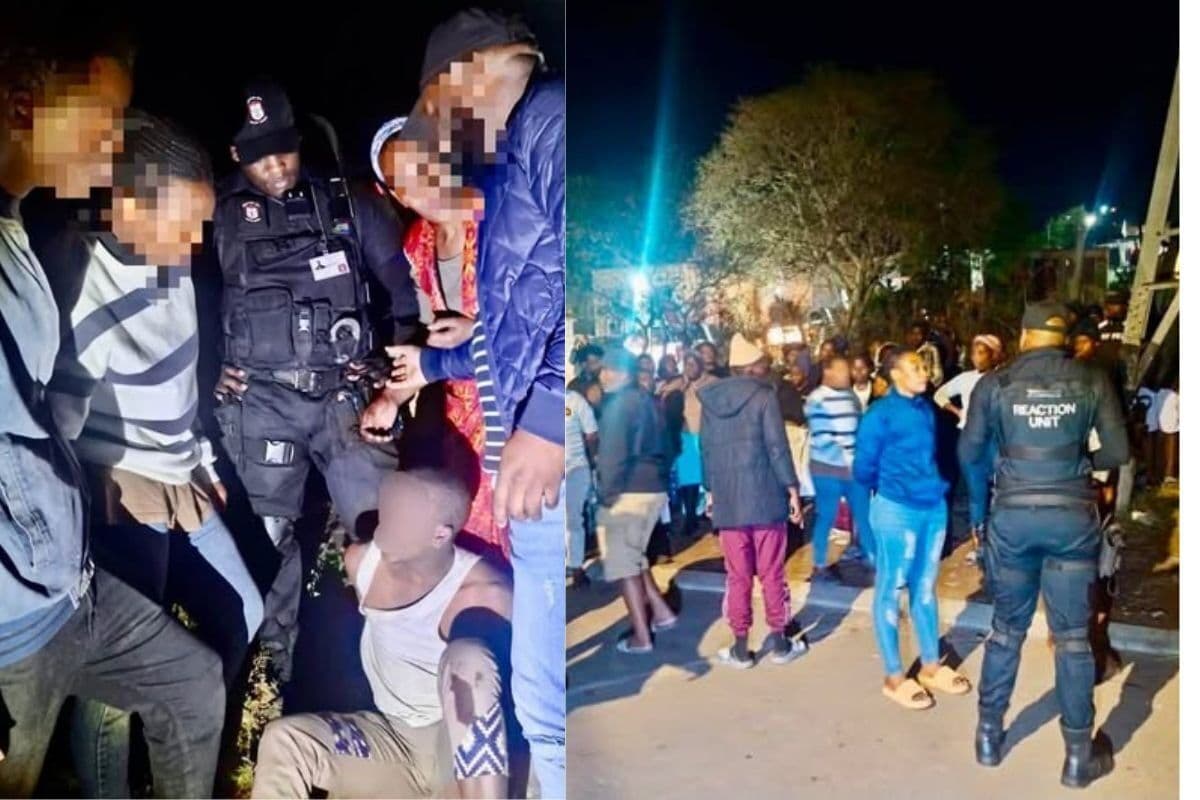
KZN Traditional Healer Arrested for Alleged Sexual Assault of Two Girls
A traditional healer has been arrested in KwaZulu-Natal following allegations of sexually assaulting two young girls. The arrest has renewed calls for stricter oversight of traditional practitioners and stronger child protection measures.
Cash-in-Transit Robberies Surge in South Africa with Nearly 120 Incidents Reported
Reports indicate a worrying surge in cash-in-transit (CIT) robberies across South Africa, with nearly 120 incidents documented. The rising figures highlight ongoing security challenges and the sophisticated nature of criminal syndicates targeting financial logistics.