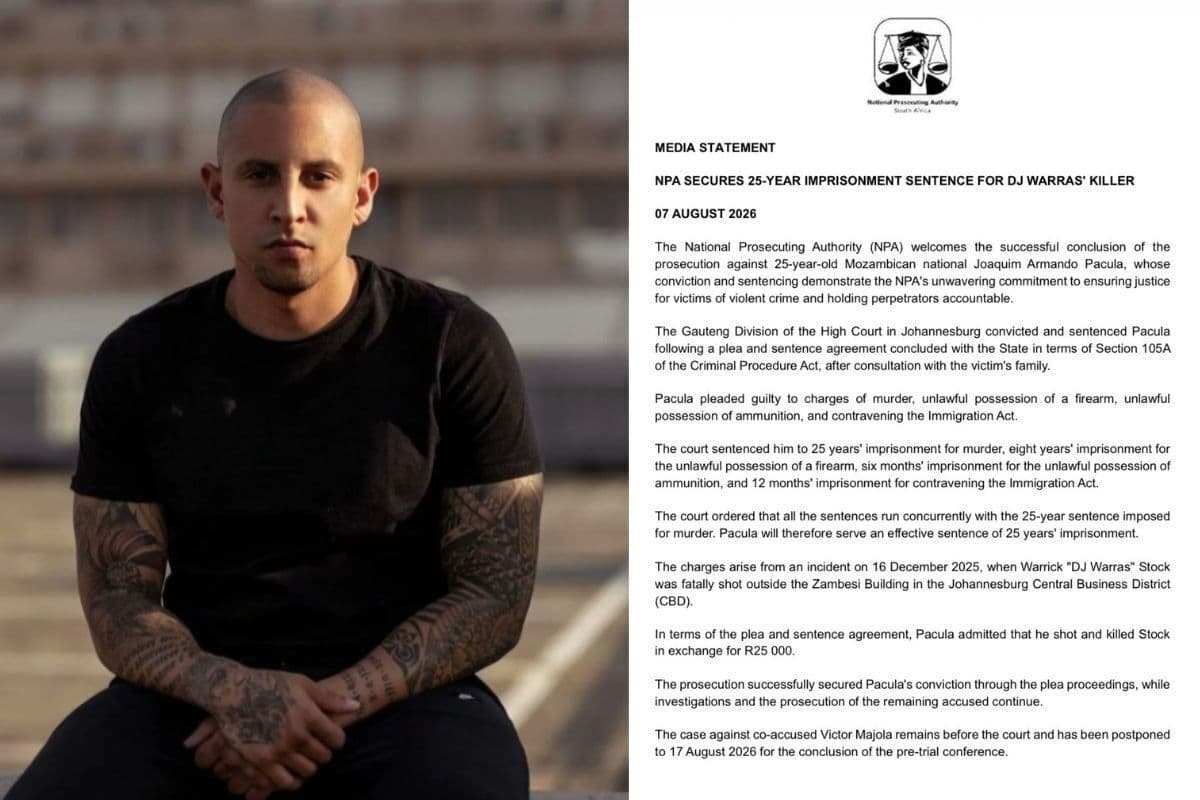
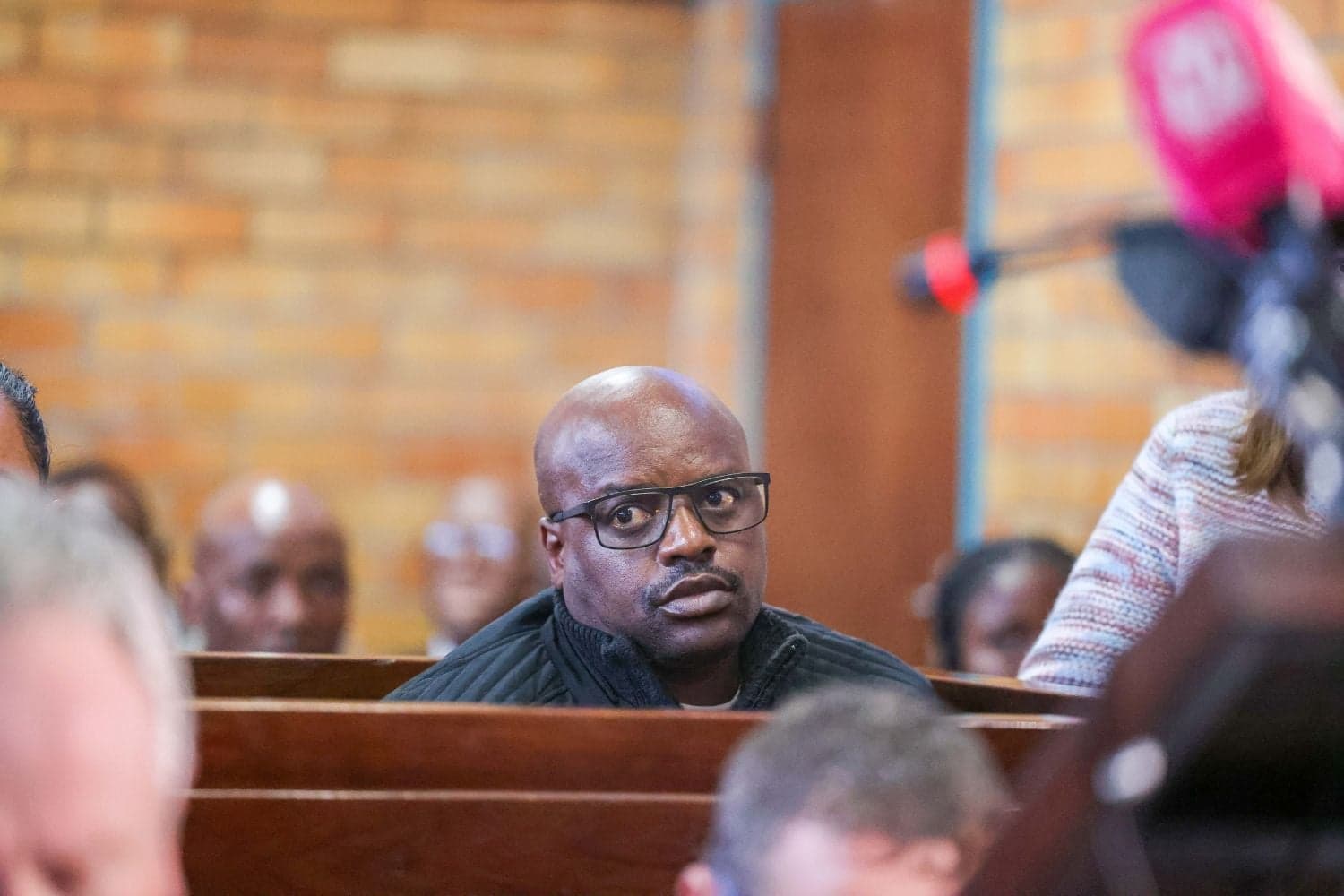
In a significant development that has sent shockwaves through the South African entertainment industry and the broader public, new details have emerged in the murder case of DJ Warras. A convicted killer involved in the assassination has officially revealed the exact amount of money they were paid to carry out the deadly hit. This startling revelation, which came to light in August 2026, has cast a harsh spotlight on the lucrative and terrifying reality of contract killings in South Africa, highlighting how easily lives are targeted for financial gain.
Alongside the killer's confession regarding the payment, South African law enforcement authorities have also broken their silence on the intricate details of the investigation. Police officials have revealed the complex methods and tracking techniques they employed to successfully locate, identify, and apprehend the convicted hitman. The breakthrough represents a major milestone for the South African Police Service (SAPS), which has frequently faced intense public pressure to resolve high-profile murders involving prominent media personalities and celebrities.
While the specific monetary figure disclosed by the killer and the exact identities of the masterminds who commissioned the hit have not been fully detailed in the initial public reports, the admission itself confirms the highly coordinated and premeditated nature of the crime. In South Africa, the phenomenon of 'hits' or contract killings has become a deeply entrenched societal challenge. The fact that a perpetrator has confessed to being paid to execute DJ Warras underscores the organized nature of these violent crimes, where hitmen are contracted through intermediaries to shield the ultimate instigators.
The disclosure of how the police tracked down the convicted killer offers a rare glimpse into the modern investigative tactics utilized by local detectives. While specific operational details are often kept confidential to protect police methodology, successful apprehensions in contract killing cases typically rely heavily on a combination of cellular data analysis, financial transaction tracking, informant networks, and CCTV footage. By piecing together these digital and physical footprints, investigators were able to close the net on the perpetrator, proving that even highly planned assassinations leave traceable clues.
Despite these major breakthroughs, several critical questions remain unanswered for the public and the family of DJ Warras. It remains unclear who ultimately ordered the hit, what the underlying motive was, and whether further arrests are imminent. In many South African contract killing cases, the arrest of the actual shooter or hitman is only the first step; the more challenging task for the National Prosecuting Authority (NPA) and the police is linking the executioner back to the mastermind who financed the crime. The public is watching closely to see if the killer's revelations will provide the state with the leverage needed to prosecute those who pulled the strings from behind the scenes.
The case of DJ Warras has resonated deeply across South Africa, sparking widespread outrage and renewed debates about the country's high levels of violent crime and the perceived impunity of criminal syndicates. For many citizens, the revelation of a paid hit on a popular public figure is a sobering reminder of the vulnerability of individuals in the face of organized violence. As the legal proceedings continue, the focus will undoubtedly remain on whether the justice system can deliver full accountability, not just for the person who pulled the trigger, but for everyone involved in planning and funding this tragic event.