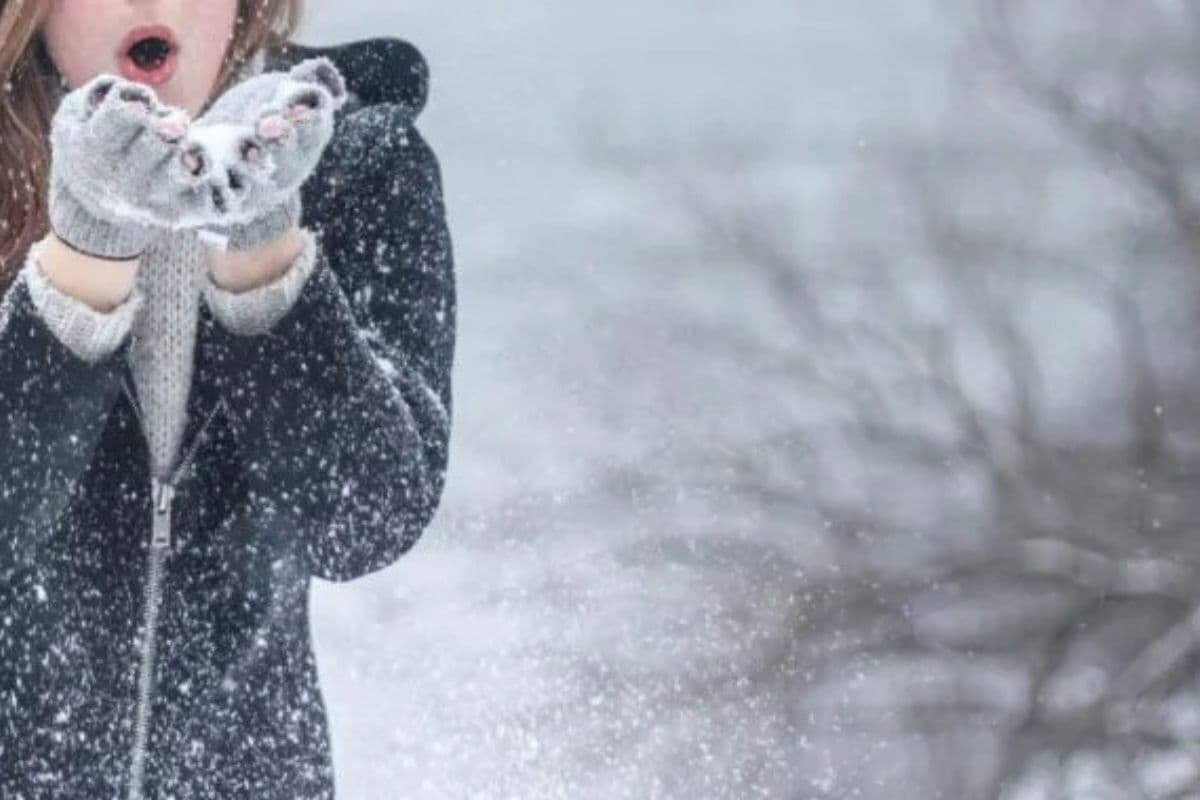
A significant weather alert has put South Africans on high alert as a powerful cold front threatens to bring snow and freezing conditions to two provinces. The warning, which began circulating on 8 August 2026, has rapidly gained traction online as citizens prepare for a late-winter freeze. With temperatures expected to plummet, the impending weather system has raised immediate concerns regarding safety, travel disruptions, and agricultural impacts across the affected regions.
According to the initial reports, the incoming cold front is strong enough to produce snowfall alongside sub-zero temperatures. However, the initial dispatch has not explicitly named the two provinces directly in the line of fire. While high-lying areas in provinces such as the Western Cape, Eastern Cape, KwaZulu-Natal, and the Free State are historically the most vulnerable to these late-winter systems, official sources have yet to confirm the exact geographical boundaries of the current threat. This lack of immediate detail has left many residents across the country wondering if their local municipalities will be affected.
The timing of this cold front is particularly notable, occurring in early August. In South Africa, August is known for its volatile weather patterns, often serving as a transition period between winter and spring. Late-season cold fronts can be exceptionally severe, bringing sudden drops in temperature that catch communities off guard. Unlike mid-winter systems that arrive when residents are already accustomed to sustained cold, these late-August snaps can pose a greater risk to vulnerable populations, livestock, and crops that may have begun reacting to early signs of seasonal warming.
The practical implications of freezing conditions and snow in South Africa are far-reaching. For motorists, snowfall on major routes and mountain passes poses a severe safety hazard, often leading to temporary road closures by transport authorities to prevent accidents. For the agricultural sector, sudden freezing temperatures can be devastating. Farmers in the affected provinces will need to take urgent measures to protect livestock, particularly newborn animals, and sensitive crops from frost damage. Additionally, the drop in temperature invariably puts a strain on the national power grid as heating demands spike.
Because several key details remain unconfirmed, including the precise timing of the front's arrival and the expected volume of snow accumulation, meteorologists and local authorities are urging the public to exercise caution. It remains unclear how long these freezing conditions will persist or whether the cold front will move further inland to affect adjacent provinces. Residents are advised to avoid speculating on social media and instead rely on verified updates from official meteorological channels as the system develops.
As the country watches the progress of this cold front, the immediate priority for residents in potentially vulnerable areas is preparation. Keeping emergency kits ready, ensuring adequate heating safely, and securing shelter for pets and livestock are critical first steps. Observers and citizens alike should keep a close eye on subsequent weather advisories, which are expected to clarify the exact provinces affected and provide detailed localised forecasts as the cold front makes landfall.