True Empowerment for South African Girls Must Begin with Safety, Public Discourse Emphasises
A viral opinion piece published by The Citizen has sparked a vital national conversation in South Africa during Women's Month. The discussion highlights that true empowerment for young girls is impossible without first ensuring their physical and emotional safety.

A powerful national conversation has been ignited in South Africa following the publication of a poignant opinion piece in the domestic media. On 19 August 2026, the prominent local news outlet, The Citizen, published an article titled "True empowerment means making the world safer for girls." The publication, which has quickly gained viral traction across the region, addresses the critical intersection between child safety and female empowerment, a theme that carries immense weight within the South African social landscape.
The central premise of the discussion is both straightforward and profound: traditional efforts to empower young girls through education, leadership training, and career opportunities are fundamentally incomplete if their physical and emotional safety is not guaranteed. In South Africa, where issues surrounding child protection and gender-based violence are constantly in the public spotlight, this perspective shifts the focus from preparing the girl for a hostile world to actively changing the world to be safer for her.
The timing of this publication is particularly symbolic. Emerging in mid-August, the article coincides with South Africa's annual commemoration of Women's Month. This is a period traditionally dedicated to reflecting on the progress made toward gender equality and the ongoing challenges faced by women and children across the nation. By asserting that "true empowerment" is directly linked to safety, the piece challenges the conventional narratives of success that often overlook the daily hazards young girls navigate.
While the specific details of the original opinion piece focus on the philosophical and societal obligations to protect children, the practical implications for South African communities are clear. For decades, non-governmental organisations and community leaders have argued that a girl cannot study effectively if she fears her journey to school, nor can she confidently pursue her ambitions if her immediate environment poses constant threats. Safety, therefore, is presented not as a secondary benefit of development, but as its absolute starting point.
The viral nature of this topic highlights a growing public appetite for substantive discussions on child protection. According to regional trend data, the article has resonated strongly with a general audience online, reflecting a widespread desire among South Africans to see more decisive action on these issues. The public response indicates that citizens are increasingly weary of superficial empowerment campaigns and are demanding systemic changes that address the root causes of insecurity for young women.
However, as with many complex societal challenges, the exact path to achieving this safer environment remains a subject of intense debate. While the call to action is clear, the specific policies, legislative reforms, or community-led initiatives required to implement these changes are not detailed in the initial publication. Observers note that translating the ideal of a "safer world" into concrete reality will require coordinated efforts from the government, law enforcement, civil society, and local communities alike.
Moving forward, the focus of South Africa's public discourse is likely to shift toward monitoring how these ideals are put into practice. The conversation sparked by The Citizen serves as a benchmark for future policy evaluations, prompting citizens to ask whether new social programmes are genuinely prioritising safety or merely offering temporary solutions. As the nation moves past its annual commemorative month, the demand for sustained, practical measures to protect and empower the youth remains as urgent as ever.
Reporting record
How this story was produced
This article was AI-generated from the frozen trend evidence and passed deterministic quality and safety gates. No cross-provider evidence review or independent human verification is claimed for this record.
- Byline
- Newstrends AI Newsroom
- First published
- Last material update
- No later material update recorded
- Distinct source identifiers
- 1 retained source identifier
Frozen source links for this publication
Chronology
Story timeline
A generated chronology for orientation; dates and details may require source verification.
Update
The Citizen publishes the influential opinion piece 'True empowerment means making the world safer for girls', sparking a viral national conversation.
Reader file
Frequently asked questions
01What sparked the recent viral discussion about girls' empowerment in South Africa?
The discussion was sparked by an opinion piece published by The Citizen on 19 August 2026, titled 'True empowerment means making the world safer for girls', which quickly gained traction online.
02Why is the timing of this discussion significant for South Africans?
The article was published in mid-August, coinciding with South Africa's annual Women's Month, a period dedicated to reflecting on gender equality and the safety of women and children.
03What is the core argument of the viral piece?
The core argument is that traditional empowerment initiatives, like education and leadership training, cannot succeed unless they are built on a foundation of physical and emotional safety for girls.
Keep reading
Related coverage
More published reporting connected to this story.

South Africa Urged to Prioritise Child Welfare Over Political Promises
An opinion piece published by The Citizen calls on South Africa to put children before promises. The commentary highlights the critical need for actionable child protection measures over empty political rhetoric.
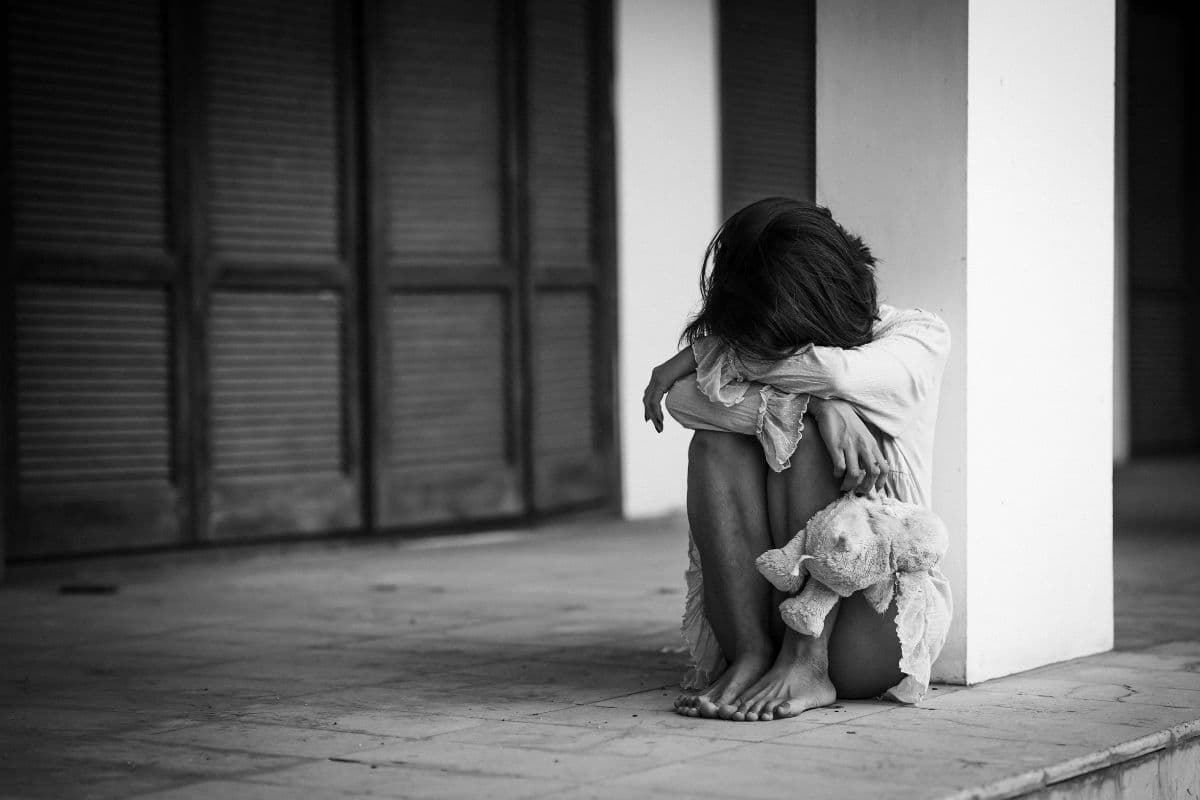
Cape Town Parents Accused of ‘Selling’ 11-Year-Old Daughter
Shocking allegations have emerged from Cape Town where parents are accused of 'selling' their 11-year-old daughter. While specific details remain limited to protect the minor, the case has sparked widespread concern regarding child protection and trafficking laws in South Africa.
The Daughters Who Forced South Africa to Listen: Sunday Tribune Report Sparks National Interest
A viral report published by the Sunday Tribune on 10 August 2026 has captivated South Africans. Released immediately after National Women's Day, the article highlights a powerful narrative of young women demanding national attention.
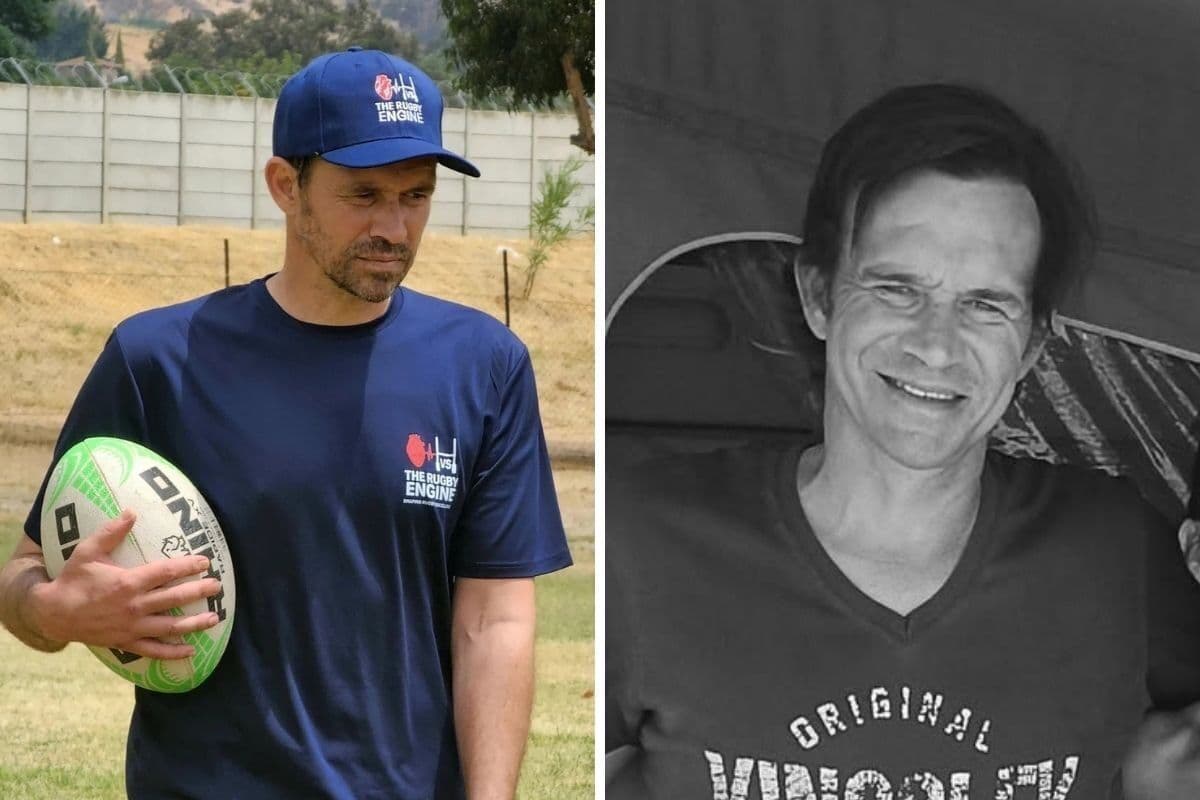
Derick Hougaard GoFundMe Campaign Reportedly Reaches a Standstill
The online crowdfunding campaign set up for well-known South African figure Derick Hougaard has reportedly ground to a halt. With public contributions stalling, questions remain regarding the campaign's goals and future support.
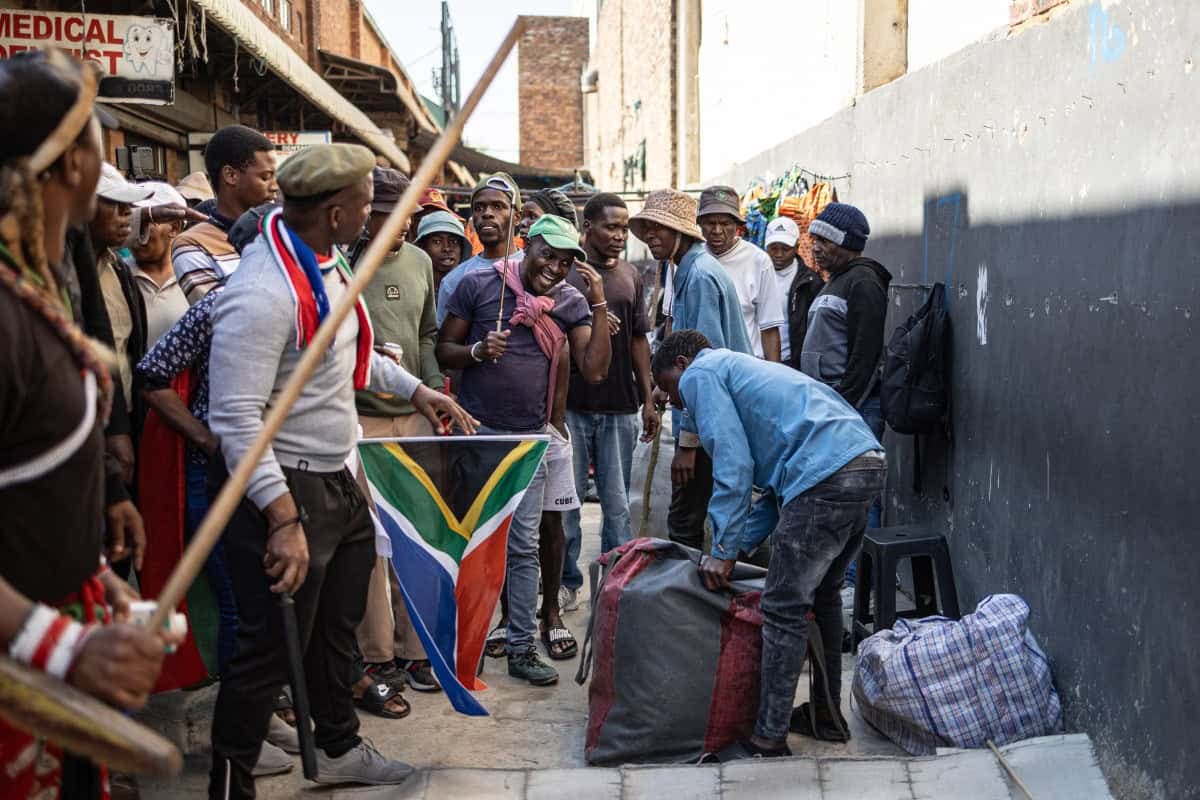
Why Migrants Flee Failed States: The Citizen Explores the Push for Greener Pastures
A viral report by South African news outlet The Citizen has sparked widespread discussion on why migrants flee failed states. The analysis highlights the powerful push-and-pull factors driving regional migration toward greener pastures.