The Daughters Who Forced South Africa to Listen: Sunday Tribune Report Sparks National Interest
A viral report published by the Sunday Tribune on 10 August 2026 has captivated South Africans. Released immediately after National Women's Day, the article highlights a powerful narrative of young women demanding national attention.
A powerful new narrative has captured the attention of the South African public following a report published by the Sunday Tribune. Released on 10 August 2026, the article titled 'The daughters who forced South Africa to listen' has rapidly gained traction across local digital spaces. Mainstreamed through the Independent Online (IOL) syndication network, the report points to a significant moment of advocacy or public demonstration led by young women, sparking widespread interest during a period of deep national reflection.
The timing of the publication is highly symbolic within the South African socio-political calendar. August 10, 2026, falls immediately after National Women’s Day, which is observed annually on August 9 to commemorate the historic 1956 march of women to the Union Buildings in Pretoria. By framing the central figures of this report as 'daughters,' the Sunday Tribune highlights a generational shift in activism, suggesting that a younger generation of South Africans is actively stepping forward to demand accountability and drive critical national conversations.
While the headline and its immediate viral reception signal a major national story, the specific details of the event or campaign remain closely guarded within the initial syndication data. The available metadata confirms the article's origin, its publication date, and its distribution via the Sunday Tribune’s news feed, but it does not explicitly name the individual women involved or detail the exact nature of their protest or message. In an era of rapid news consumption, this has left many readers searching for the concrete facts behind the evocative title.
What is clear, however, is the regional and national significance of the platform carrying the story. The Sunday Tribune, a well-established weekly newspaper based in KwaZulu-Natal, has a long history of reporting on community struggles, human rights issues, and regional developments that resonate nationally. By publishing this story on a Monday following the long Women's Day weekend, the publication has ensured that the voices of these 'daughters' remain at the forefront of the national agenda as South Africans return to work and school.
In South Africa, the term 'daughters' carries profound cultural and social weight. It often invokes discussions around the safety of young women, the ongoing fight against gender-based violence, and the barriers to education and economic empowerment faced by the girl child. Whether the story refers to a localized community protest, a legal challenge, or a viral digital campaign, the phrasing suggests that these young women have successfully broken through the noise to compel decision-makers and ordinary citizens alike to pay attention.
The trend data indicates that the story has registered a notable engagement score within the South African region, categorized under viral news. This suggests that the narrative has touched a nerve online, where South Africans frequently debate issues of social justice and generational equity. As the public seeks more information, the role of established journalism outlets like IOL remains crucial in providing verified updates and deeper context to prevent speculation on social media platforms.
For readers and observers monitoring this developing story, several questions remain unanswered. It is still unclear whether the actions of these daughters took place in a major metropolitan area or a rural community, and what specific response they have received from local or national government officials. Furthermore, the long-term impact of their efforts to make the country listen will depend heavily on whether their demands are met with concrete policy changes or continued public support.
As the week progresses, the South African public will be watching closely to see how this story unfolds. Follow-up reports from the Sunday Tribune and other national media houses are expected to shed light on the identities of these young advocates and the precise message they have delivered to the nation. For now, the headline stands as a stark reminder of the enduring power of youth-led voices in shaping the national discourse during South Africa's Women's Month.
Reporting record
How this story was produced
This article was AI-generated from the frozen trend evidence and passed deterministic quality and safety gates. No cross-provider evidence review or independent human verification is claimed for this record.
- Byline
- Newstrends AI Newsroom
- First published
- Last material update
- No later material update recorded
- Distinct source identifiers
- 1 retained source identifier
Frozen source links for this publication
Chronology
Story timeline
A generated chronology for orientation; dates and details may require source verification.
Update
South Africa observes National Women's Day.
Update
The Sunday Tribune publishes the viral report titled 'The daughters who forced South Africa to listen' via the IOL network.
Reader file
Frequently asked questions
01What is the article 'The daughters who forced South Africa to listen' about?
It is a viral news report published by the Sunday Tribune on 10 August 2026. While the specific identities and campaign details are not fully detailed in the initial feed data, the story focuses on young South African women making their voices heard nationally.
02When was this story published?
The story was published on 10 August 2026, the day immediately following South Africa's National Women's Day.
03Which media outlet originally published this report?
The report was published by the Sunday Tribune and distributed via the Independent Online (IOL) network.
Keep reading
Related coverage
More published reporting connected to this story.

Tragic Weekend in Sabie: Timeline of Cameron Waldeck-Cooks and Ethan Coetzee’s Final Hours Sparks Public Concern
A timeline detailing the final hours of Cameron Waldeck-Cooks and Ethan Coetzee during a tragic weekend in Sabie has captured national attention. The viral report has sparked widespread concern as South Africans seek answers. Official details regarding the circumstances of the tragedy remain limited.
Aadielah Maker Diedericks: South Africans Honour a Life Dedicated to Public Health and Advocacy
Reports from the Sunday Tribune highlight the legacy of Aadielah Maker Diedericks and her lifelong commitment to public health. The coverage has sparked widespread interest, highlighting the vital role of health advocacy in South Africa.
Monument to Babita Deokaran to be Unveiled on Women’s Day
A new monument dedicated to the memory of Babita Deokaran is scheduled to be officially unveiled on Women's Day. The announcement, reported by the Sunday Tribune, marks a significant moment of national tribute and remembrance.

ACF Considers Charges Against Paul O’Sullivan Over Intimidation Claims
The ACF is reportedly evaluating legal options to lay charges against forensic investigator Paul O'Sullivan. The potential legal action stems from allegations of intimidation, though specific details of the claims remain unconfirmed.
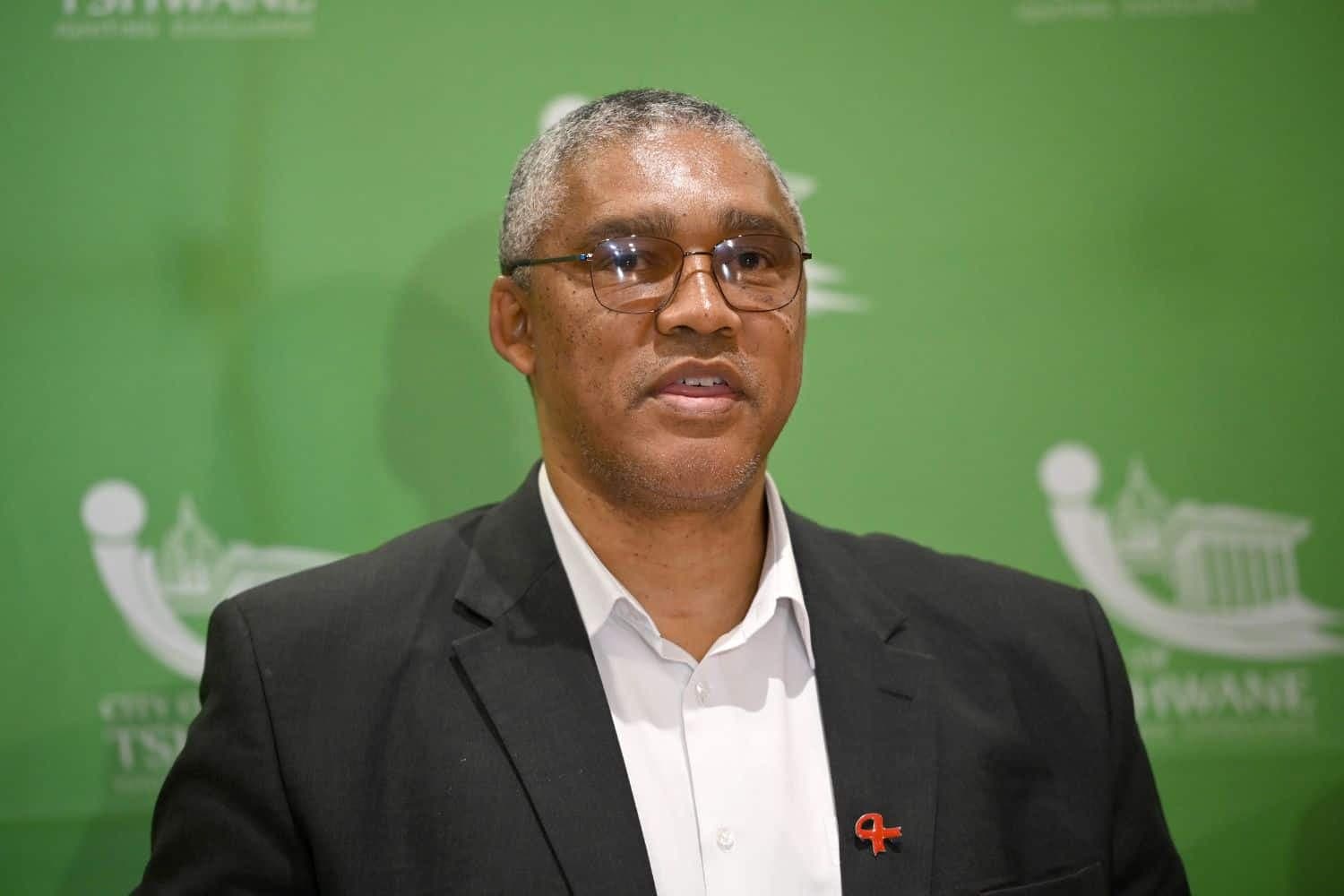
South African News Roundup: Ramaphosa Confronted, Tshwane City Manager Reinstated, and Bibo Makwedini Funeral
A look at the major national headlines as President Ramaphosa faces a public confrontation, Johan Mettler is reinstated as Tshwane City Manager, and the nation marks the funeral of Bibo Makwedini.