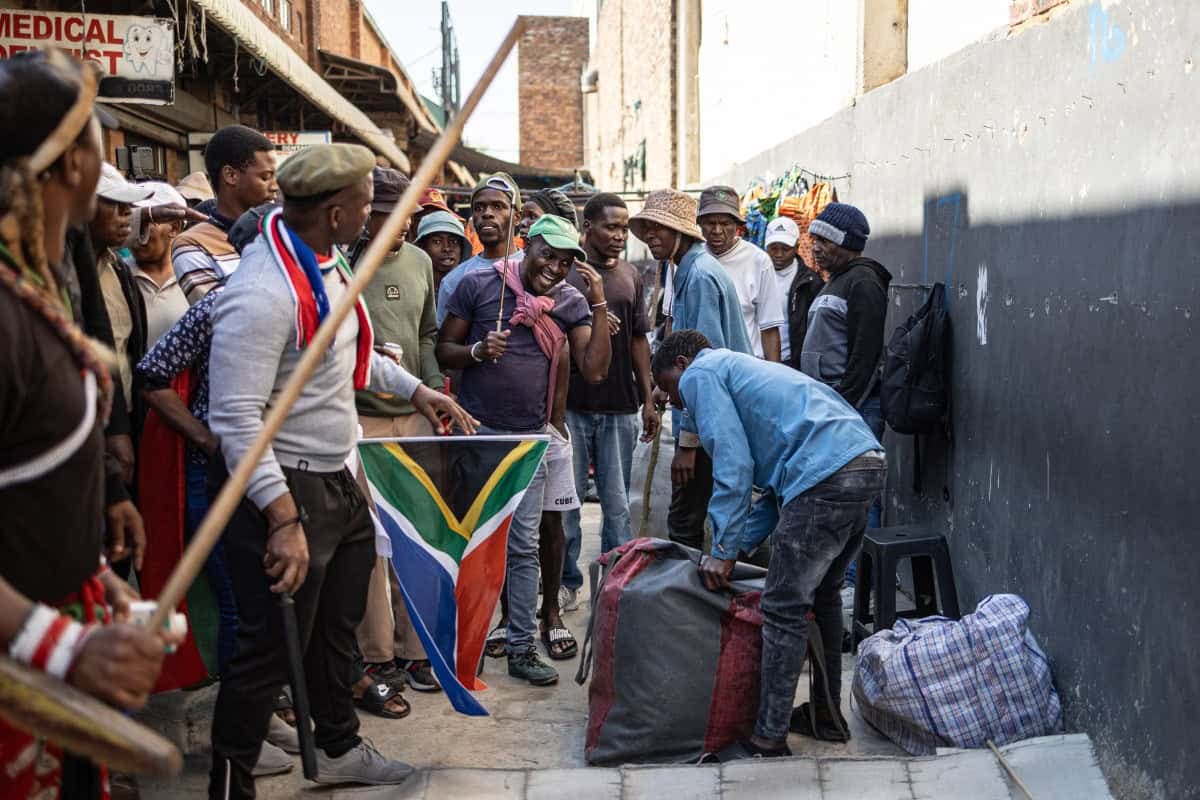
On 7 August 2026, South African media outlet The Citizen published an analysis focusing on a critical regional and global issue: the reasons why migrants flee failed states in search of better opportunities abroad. The article, titled "Why migrants flee failed states and seek greener pastures abroad," has rapidly gained traction online, highlighting a persistent and deeply complex subject that continues to resonate with audiences across South Africa. Released early in the morning, the publication has entered the viral news category, reflecting the intense public interest in the socio-economic and political forces that drive human displacement.
For South African readers, the theme of migration is far from academic. As one of the continent's prominent economic hubs, South Africa has long been a destination for individuals seeking refuge from political instability, economic collapse, and institutional failure in their home countries. The Citizen's coverage taps directly into this national conversation, prompting readers to examine the root causes of migration. By framing the discussion around "failed states" and the pursuit of "greener pastures," the publication underscores the powerful push-and-pull factors that influence thousands of people to cross borders.
According to the available trend data, the report was captured via RSS feeds on Friday morning, 7 August 2026. While the tracking data confirms the widespread interest in the piece—categorising it under viral news with a notable engagement score—the precise case studies, specific national statistics, and individual migrant testimonies featured in the original article remain unspecified. What is clear, however, is that the narrative addresses the fundamental systemic failures that render certain nations unliveable, forcing their citizens to look elsewhere for safety, employment, and basic human dignity.
The concept of a failed state typically involves a breakdown of central authority, an inability to provide basic public services, widespread corruption, and severe economic collapse. When these conditions persist, citizens are left with few options but to seek alternatives abroad. The term "greener pastures" represents not just luxury, but the basic necessities of life: stable employment, functional healthcare, education for children, and physical security. For many migrants, leaving their home country is not a choice made lightly, but a final resort when staying becomes a threat to their survival.
In the broader South African context, understanding these push factors is essential for fostering an informed public discourse. Discussions surrounding immigration in South Africa often focus on the pressure placed on local infrastructure and the domestic labour market. However, analyses like the one published by The Citizen shift the focus towards the regional dynamics at play. They remind the public that migration is a symptom of broader regional governance failures, suggesting that addressing the issue requires looking at the economic health of neighbouring states.
The practical implications of these migration patterns are felt daily across Southern Africa. Local municipalities, non-governmental organisations, and policy analysts frequently grapple with the challenges of integration. By exploring why people flee, media coverage helps contextualise the human element of policy debates. It highlights the reality that as long as states fail to provide security and economic viability, the flow of people seeking greener pastures in more stable nations like South Africa is likely to continue.
As this topic continues to circulate in the public sphere, several aspects remain to be seen. It remains unclear what specific policy solutions or regional interventions The Citizen's analysis advocates for, or which experts were consulted to provide commentary. Without these specific details from the primary text, observers must rely on broader migration trends to interpret the ongoing debate. Nonetheless, the viral nature of the report indicates that South Africans remain highly engaged with the topic, eager to understand the geopolitical forces shaping their society.
Moving forward, South Africans should watch how local and regional leaders respond to these migration pressures. The ongoing debate is likely to influence upcoming policy discussions within the Southern African Development Community (SADC) and national government departments. As the public processes the insights from this latest media coverage, the focus will undoubtedly remain on finding balanced solutions that respect human rights while addressing the practical realities of managing migration in a developing economy.