Cape Town Parents Accused of ‘Selling’ 11-Year-Old Daughter
Shocking allegations have emerged from Cape Town where parents are accused of 'selling' their 11-year-old daughter. While specific details remain limited to protect the minor, the case has sparked widespread concern regarding child protection and trafficking laws in South Africa.
Reports have emerged from Cape Town detailing grave allegations against parents who are accused of "selling" their 11-year-old daughter. The distressing news, which came to light on Wednesday, 12 August 2026, has sparked immediate concern across South Africa. While the initial reports have sent shockwaves through local communities, official details surrounding the case remain highly restricted as authorities and social services begin their investigations into the matter.
According to reports first published by local media outlet The South African, the parents are facing severe accusations related to the exploitation of their minor child. However, at this preliminary stage, very little has been publicly disclosed about the specific circumstances of the alleged transaction. It remains unclear where exactly in the Cape Town metro the incident took place, what motivated the alleged sale, or whether any exchange of money or goods had actually been finalised before authorities were alerted.
In South Africa, the legal framework strictly guards the identity of minors involved in criminal matters. Under Section 154(3) of the Criminal Procedure Act, it is an offence to publish any information that might reveal the identity of a victim or witness who is under the age of 18. Because publishing the names of the accused parents would inevitably identify the 11-year-old victim, the identities of the suspects are being withheld by media houses and law enforcement. This legal safeguard is crucial to protecting the child from further trauma and public scrutiny.
When allegations of this nature are reported in South Africa, the immediate priority of the state is the safety and well-being of the child. Standard protocol dictates that the Western Cape Department of Social Development, in collaboration with the South African Police Service (SAPS), must intervene immediately. Typically, a social worker is assigned to assess the child’s living conditions, and the minor is placed into temporary safe care or a designated child and youth care centre under a safety protection order while a formal investigation is conducted.
The accusation of "selling" a child falls under the severe legal definitions of child trafficking and exploitation. In South Africa, these actions are heavily prosecuted under the Prevention and Combating of Trafficking in Persons Act (Act 7 of 2013) as well as the Children’s Act (Act 38 of 2005). Under these laws, any person found guilty of trafficking, selling, or facilitating the trade of a child faces severe penalties, including hefty fines and life imprisonment. The legislation aims to act as a robust deterrent against the commodification and abuse of vulnerable minors.
This developing story highlights the ongoing challenges South Africa faces regarding child protection and vulnerability. While the specific merits of this Cape Town case have yet to be tested in a court of law, the situation underscores the vital role that community members, teachers, and neighbours play in reporting suspected child abuse or neglect. South African child protection organisations consistently urge the public to use designated hotlines to report any suspicious behavior involving the safety of children.
As the situation unfolds, South Africans are closely watching for official updates from law enforcement agencies. The next critical steps in this case will involve formal statements from SAPS regarding whether the parents have been officially arrested, what specific charges they will face, and when they are expected to appear in a Cape Town magistrate's court. Additionally, the public awaits confirmation from provincial social services regarding the physical and psychological welfare of the 11-year-old girl at the centre of these allegations.
Reporting record
How this story was produced
This article was AI-generated from the frozen trend evidence and passed deterministic quality and safety gates. No cross-provider evidence review or independent human verification is claimed for this record.
- Byline
- Newstrends AI Newsroom
- First published
- Last material update
- No later material update recorded
- Distinct source identifiers
- 1 retained source identifier
Frozen source links for this publication
Chronology
Story timeline
A generated chronology for orientation; dates and details may require source verification.
Update
Reports emerge accusing Cape Town parents of 'selling' their 11-year-old daughter.
Reader file
Frequently asked questions
01What are the parents in Cape Town accused of?
The parents are facing allegations of 'selling' their 11-year-old daughter.
02Why have the names of the parents not been released?
Under South African law, specifically the Criminal Procedure Act, the identities of suspects cannot be published if doing so would reveal the identity of the minor victim.
03What laws protect children from exploitation in South Africa?
Children are protected under the Children's Act (Act 38 of 2005) and the Prevention and Combating of Trafficking in Persons Act (Act 7 of 2013), which carry severe penalties including life imprisonment.
Keep reading
Related coverage
More published reporting connected to this story.

Historic and Lesser-Known Cape Town Planetarium Set for Restoration
Plans have been announced to restore a historic and lesser-known planetarium in Cape Town. While specific details about the project's budget and timeline remain unconfirmed, the initiative highlights a growing commitment to preserving South Africa's scientific heritage.
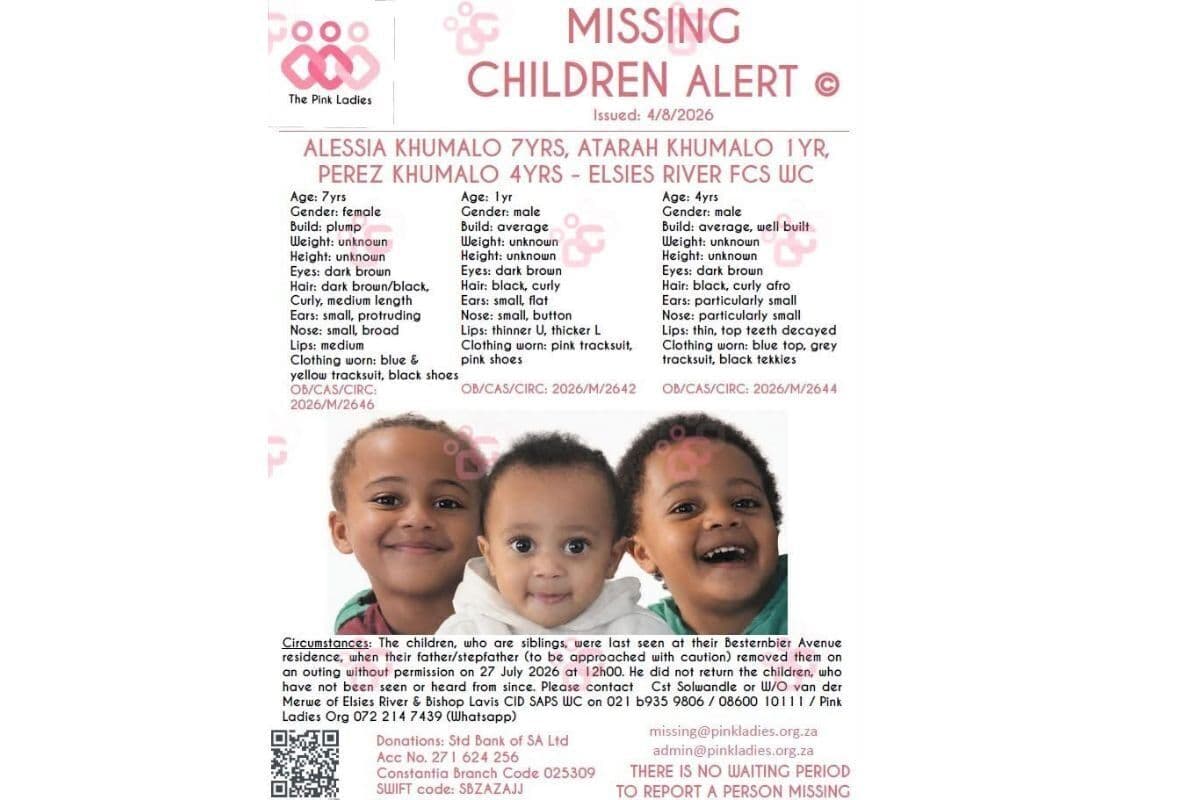
Cape Town Community on High Alert After Three Siblings Go Missing Following Trip with Father
Three siblings from Cape Town have been reported missing after a trip with their father, according to breaking local news reports. As details remain limited, community members and authorities are urged to remain vigilant while awaiting official updates.
Blue Uniforms, Blackened Reputations: Viral Article Sparks Debate on South African Police Integrity
A viral opinion piece published by The Post on IOL has reignited intense public debate across South Africa regarding the reputation of law enforcement. The discussion highlights the critical challenges of public trust and systemic accountability facing those in uniform.
Muslim Woman Reportedly Denied SA Firearm Licence Over Hijab in Application Photo
A Cape Times report has revealed that a Muslim woman was allegedly denied a firearm licence due to wearing a hijab in her application photo. The incident has sparked critical discussions around religious freedom and administrative policies within the South African Police Service.
Manhunt Launched After Four Men Shot Dead in Nyanga
Police in the Western Cape have launched a manhunt following a shooting incident that left four men dead in Nyanga, Cape Town. Authorities are currently searching for the perpetrators as investigations into the attack begin.