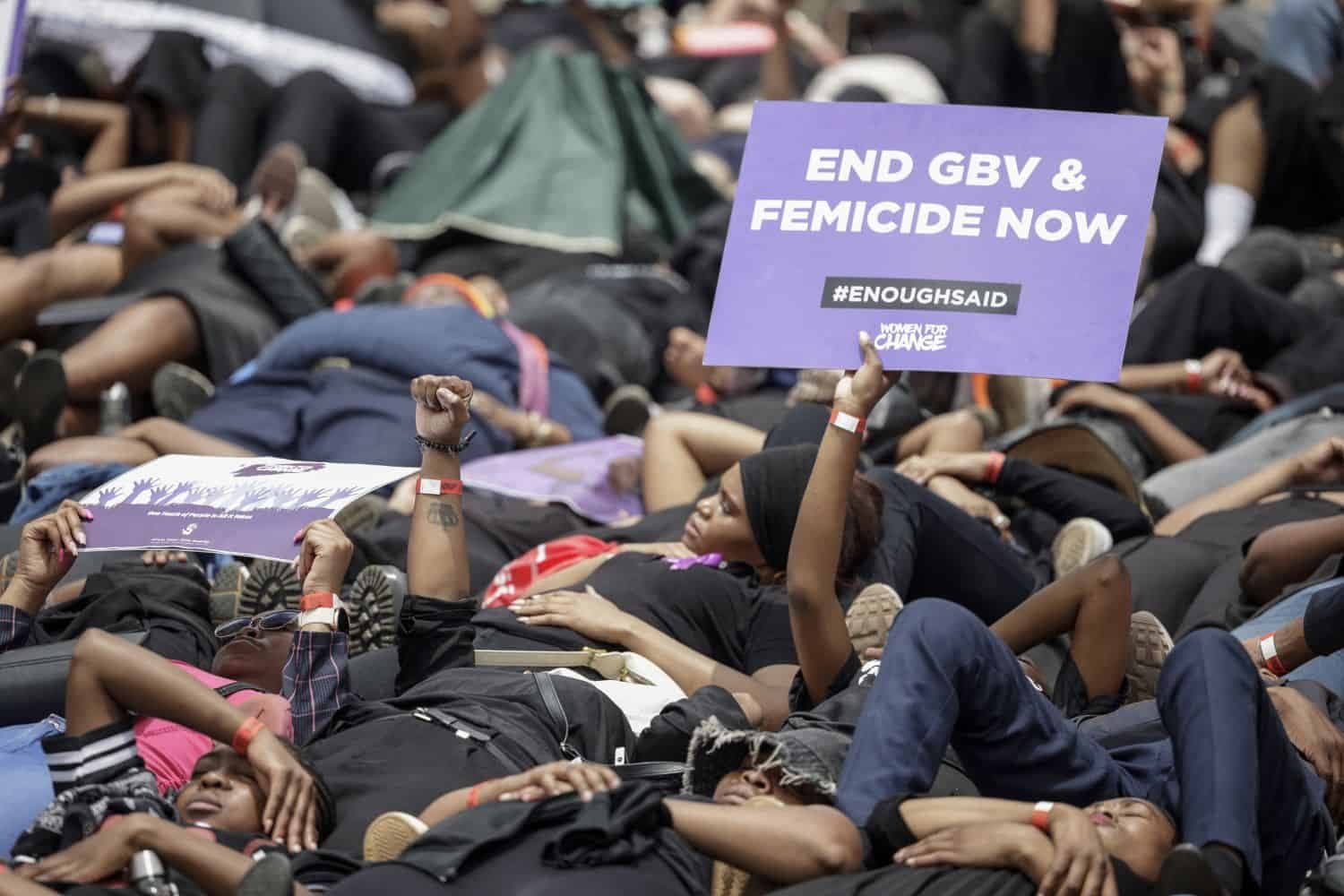
On 19 September 2026, a poignant report published by the Sunday Tribune, and distributed via Independent Online (IOL), cast a stark light on one of South Africa's most painful societal challenges. Under the title "When mothers are murdered families bleed for generations," the publication brought critical attention to the enduring, multi-generational trauma that families and wider communities suffer following the violent loss of a mother.
The significance of this report lies in its focus on the long-term aftermath of violent crime. In South Africa, where discussions around gender-based violence and femicide are tragically frequent, public discourse often centres on immediate crime statistics and policing responses. However, this coverage shifts the perspective toward the deep-seated, ongoing devastation that remains long after the police tape is removed and the news cycle moves on.
According to the trend data, the publication highlights a core truth: the murder of a mother is not an isolated event with a single victim. Instead, it acts as a destructive catalyst that impacts children, extended families, and entire neighbourhoods. The phrase "families bleed for generations" underscores how the psychological, economic, and social consequences of these crimes are passed down, creating cycles of grief and instability that are difficult to break.
While the trend data establishes the core theme and the publication details of the Sunday Tribune article, specific individual case studies, local statistics, or personal testimonies from this particular report are not detailed in the initial signal. It remains unclear which specific communities were highlighted or if particular legal cases prompted the piece. To maintain strict factual accuracy, we focus on the documented theme of the report rather than speculating on individual narratives.
The practical implications of this generational trauma are severe and multifaceted. When a mother is killed, the primary caregiver and often the financial cornerstone of the household is lost. This frequently results in the displacement of children, some of whom may enter the foster care system or be raised by elderly relatives. The loss of maternal support can lead to interrupted education, severe mental health challenges, and long-term economic vulnerability for the surviving family members.
Furthermore, the broader community suffers a collective wound. The Sunday Tribune's focus on communities bleeding alongside families highlights how systemic violence erodes the social fabric. When fear and trauma become normalised in neighbourhoods, it affects collective well-being and complicates efforts to foster safe, nurturing environments for the next generation. This makes community-based support systems absolutely essential.
Looking forward, readers and social advocates will be watching how South African policymakers and support organisations respond to these long-term challenges. While immediate criminal justice is crucial, there is a growing recognition that the state and civil society must provide sustained, multi-generational support. This includes accessible mental health services, educational support for orphaned children, and targeted social development initiatives to assist grieving families.
Ultimately, the report published on 19 September 2026 serves as a solemn reminder of the true cost of violence against women in South Africa. It challenges society to look beyond the immediate headlines and confront the reality that when a mother's life is taken, the healing process is not measured in weeks or months, but in generations.