Six Women Killed Every Day: South Africa's Deadly War on Women Continues
A stark report highlights that an average of six women are killed every day in South Africa. This devastating statistic underscores the country's ongoing crisis of gender-based violence and the urgent need for systemic reform.
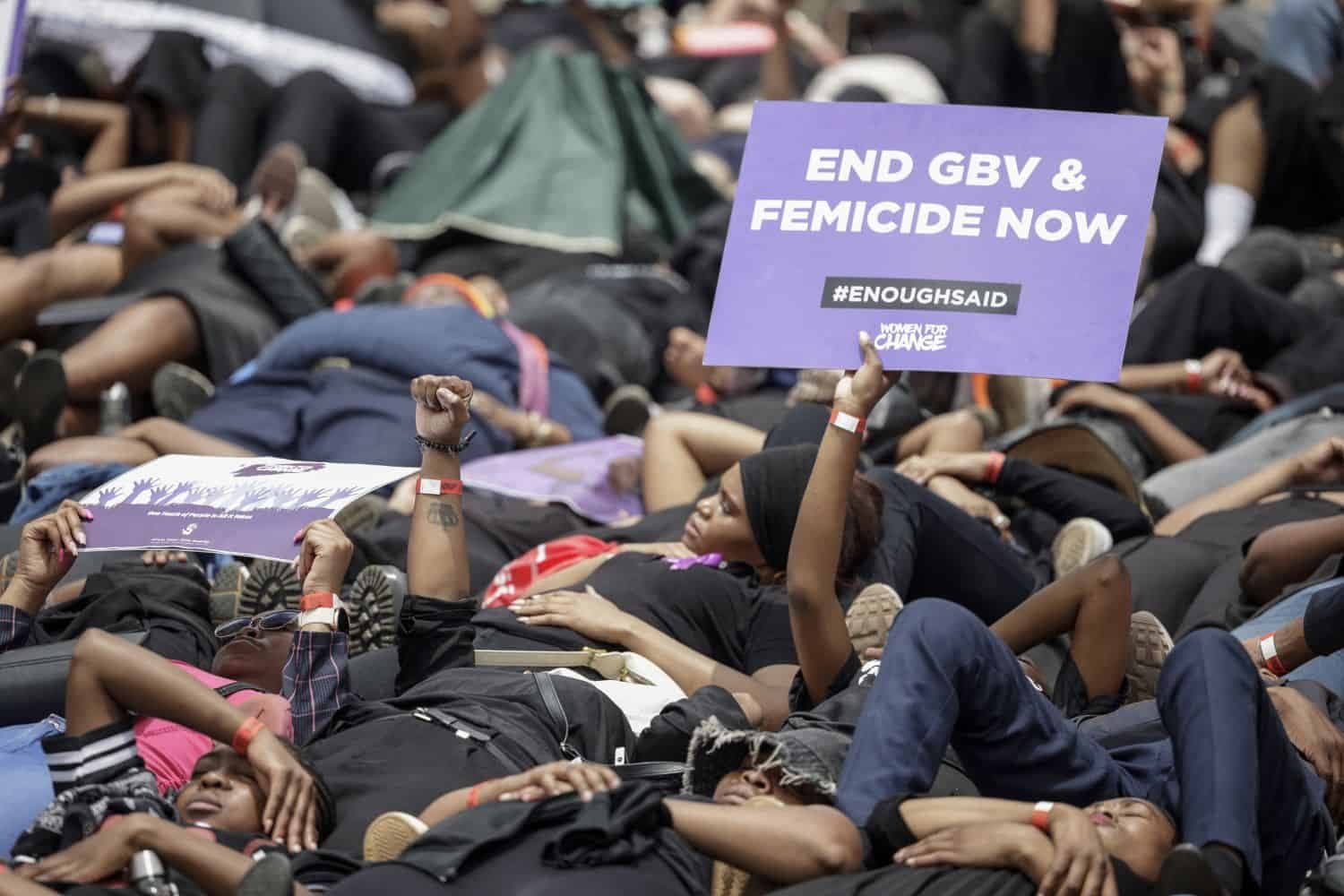
The ongoing crisis of gender-based violence and femicide in South Africa has once again been thrust into the national spotlight following reports that an average of six women are killed every single day in the country. This alarming statistic, highlighted in reports on 31 August 2026, serves as a grim reminder of what commentators and citizens alike describe as a continuous, deadly war on women. The figure underscores the persistent failure of existing safety frameworks to protect vulnerable citizens from extreme violence.
For South African readers, the reality of these statistics is deeply personal and reflective of a systemic societal challenge. The latest report, published by local news platform Independent Online (IOL), brings the devastating human cost of gender-based violence back to the forefront of public discourse. While the headline figure of six daily deaths paints a clear and terrifying picture of the scale of the crisis, many details surrounding the underlying data remain to be fully unpacked in official law enforcement briefings.
At this stage, what is known is that the rate of femicide in South Africa remains among the highest globally, a fact that continues to draw condemnation from local and international human rights bodies. However, what remains unclear from the immediate reporting is the precise time period from which these specific figures were drawn, as well as the provincial breakdowns that would indicate which regions are currently experiencing the highest concentration of these violent crimes. Additionally, the specific relationships between victims and perpetrators in these daily cases have not been fully detailed.
The significance of this ongoing violence cannot be overstated. In recent years, the South African government has repeatedly declared gender-based violence and femicide (GBVF) a secondary pandemic. Despite high-profile presidential summits, the drafting of national strategic plans, and promises of legislative reform, the daily death toll indicates that these interventions have yet to yield the desired life-saving results on the ground. The persistence of these numbers suggests a profound disconnect between national policy and the daily lived experiences of women.
The practical implications of this crisis are felt across all sectors of South African society. For ordinary citizens, particularly women and gender-diverse individuals, the high rate of violence restricts freedom of movement and instils a constant state of fear. For community-based organisations, support groups, and shelters, the ongoing violence translates into an overwhelming demand for services, often with extremely limited resources. Law enforcement agencies also face renewed scrutiny regarding their capacity to investigate these crimes and support victims during the reporting process.
To understand the path forward, several critical areas require close monitoring. Observers and civil society groups will be watching the next releases of official crime statistics from the South African Police Service (SAPS) to verify whether these daily averages represent a rising trend or a stagnation of previous high levels. Furthermore, the public will be looking for updates on the implementation of the National Strategic Plan on GBVF, specifically regarding how funds are allocated to local police stations and victim support centres.
Ultimately, the report of six women losing their lives every day is a call to action for both government authorities and local communities. As South Africa continues to search for effective solutions to this national tragedy, the demand for transparency, accountability, and urgent systemic reform remains louder than ever. Whether the latest public outcry will prompt a more effective, coordinated national response remains to be seen in the coming months.
Reporting record
How this story was produced
This article was AI-generated from the frozen trend evidence and passed deterministic quality and safety gates. No cross-provider evidence review or independent human verification is claimed for this record.
- Byline
- Newstrends AI Newsroom
- First published
- Last material update
- No later material update recorded
- Distinct source identifiers
- 1 retained source identifier
Frozen source links for this publication
Chronology
Story timeline
A generated chronology for orientation; dates and details may require source verification.
Update
Local media reports highlight that an average of six women are killed daily in South Africa, describing it as an ongoing war on women.
Reader file
Frequently asked questions
01What does the latest report reveal about femicide in South Africa?
The report indicates that an average of six women are killed every single day in South Africa, highlighting a persistent crisis of gender-based violence.
02What details remain unclear about these statistics?
While the daily average is known, the specific provincial breakdowns, victim-perpetrator relationships, and the precise reporting period remain to be fully detailed.
Keep reading
Related coverage
More published reporting connected to this story.
Cosatu Slams New GBVF Council Line-Up as Another 'Bums-on-Seats' Body
The Congress of South African Trade Unions (Cosatu) has strongly criticized the newly announced Gender-Based Violence and Femicide (GBVF) council line-up. The federation dismissed the structure as a 'bums-on-seats' body, raising concerns over the country's institutional fight against gender-based violence.
St Stithians 'Murder-Suicide' Reports Draw Strong Reaction From South African GBV Organisation
Reports of an alleged murder-suicide linked to St Stithians have prompted a gender-based violence organisation to highlight the roles of toxic masculinity and violence. While official details remain limited, the incident has renewed national conversations about systemic domestic abuse.
Children as Young as Five Exposed to Skin-Lightening Products Linked to Cancer Risk
An alarming report has revealed that children as young as five are being exposed to dangerous skin-lightening products. The exposure has raised urgent health concerns due to the established links between these unregulated cosmetics and cancer risks.
Empowering South Africa's Future Leaders: 400 Women Gather Ahead of Women's Month
An upcoming gathering of 400 women aimed at empowering South Africa's future leaders has captured public attention ahead of the country's annual Women's Month. Published by Independent Online (IOL), the report highlights grassroots efforts to foster female leadership. While specific event details remain limited, the initiative underscores the ongoing national focus on gender empowerment.
Why Have Bollywood's Massive Live Shows Faded From South African Stages?
A new report from The Post examines the decline of large-scale Bollywood entertainment events in South Africa. As local fans notice the absence of these star-studded spectacles, questions arise regarding the economic and cultural factors behind the shift.