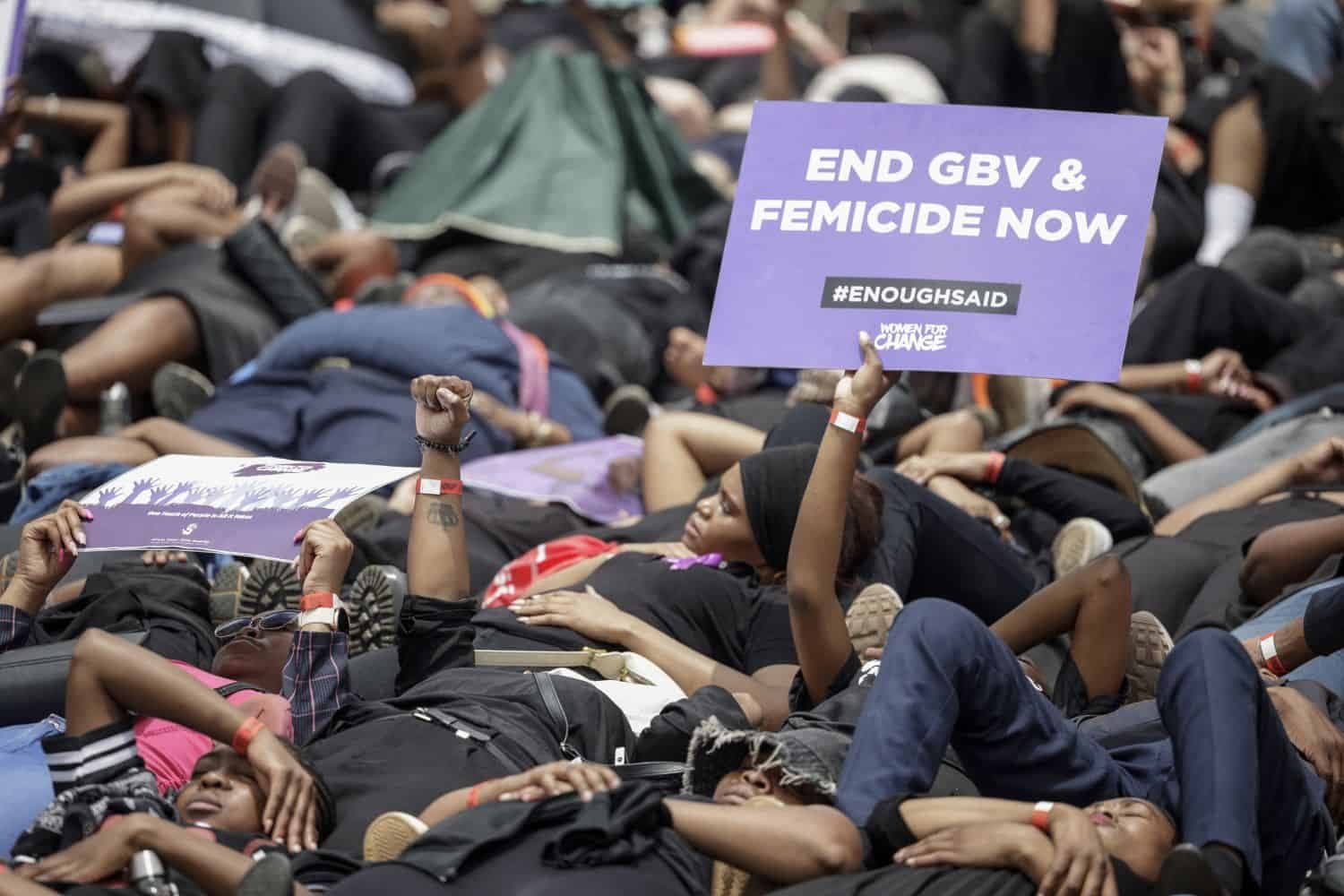
On 7 August 2026, reports emerged that the Congress of South African Trade Unions (Cosatu) has issued a stinging critique of the newly announced Gender-Based Violence and Femicide (GBVF) council line-up. The trade union federation has reportedly dismissed the newly constituted structure as just "another bums-on-seats body." This sharp public rejection has immediately cast a shadow over the credibility of the council, which is tasked with leading the country's institutional response to one of its most severe and persistent social crises.
In South Africa, gender-based violence and femicide have long been recognized as a national emergency, frequently referred to by government and civil society leaders as a "second pandemic." The establishment of a dedicated national GBVF council was intended to be a crucial step forward, providing a centralized, authoritative body to coordinate, oversee, and implement the National Strategic Plan on GBVF. However, the public condemnation of the council's composition by Cosatu—a major political player and key ally of the ruling tripartite alliance—signals deep-seated dissatisfaction with how the state is structuring this vital initiative.
The phrase "bums-on-seats body" points to a broader, systemic frustration within South African civil society and labor organizations. The term implies that the appointments to the council may have been made to satisfy bureaucratic requirements, fill administrative quotas, or hand out official titles, rather than selecting highly capable, active, and reform-minded leaders who can drive real change on the ground. For a country that has struggled to translate high-level policies into tangible safety improvements for women and children, such criticisms raise serious questions about the political will behind these structures.
At this stage of the developing story, several critical details remain unconfirmed. The specific names of the newly appointed GBVF council members have not been detailed in the initial reports, nor has the exact selection criteria used by the government to appoint them been made public. Furthermore, the precise formal statements or specific objections raised by Cosatu regarding individual members or the overall selection process have not yet been fully disclosed. It also remains unclear how the relevant government departments intend to respond to this high-profile rejection from a key labor ally.
The significance of this dispute lies in its potential to derail public trust. For any national strategy against GBVF to succeed, it requires the active cooperation and trust of grassroots organizations, trade unions, community leaders, and the public. When a major stakeholder like Cosatu publicly distances itself from the council, it threatens to compromise the legitimacy of the body before it even begins its work. This could lead to a fragmented approach to fighting gender-based violence, where key sectors of society refuse to work with a state-appointed council they view as ineffective.
For South African workers, particularly women who face heightened safety risks both in their workplaces and within their communities, the practical implications of a dysfunctional or contested GBVF council are severe. A council that is bogged down in political disputes or dismissed as a mere talking shop means a delay in the implementation of critical safety measures, support systems, and justice reforms. The country's workforce relies on strong, decisive institutional leadership to advocate for safer environments, and any perceived failure in this leadership is a cause for major concern.
Moving forward, observers and the public will be watching closely to see if Cosatu releases a detailed breakdown of their grievances regarding the GBVF council's composition. It remains to be seen whether the government or the appointing authority will defend their selection process or bow to pressure from their labor alliance partner to review and amend the council's line-up. How this standoff is resolved in the coming days will be a critical indicator of whether South Africa's institutional response to GBVF can move past political disagreements and deliver the urgent protection that citizens require.