Ten learners hospitalised after scholar transport vehicle plunges down KwaZulu-Natal embankment
Ten school children have been hospitalised following a serious road accident in KwaZulu-Natal where a scholar transport vehicle plunged down an embankment. The incident has once again turned the spotlight on the safety and regulation of learner transport services.
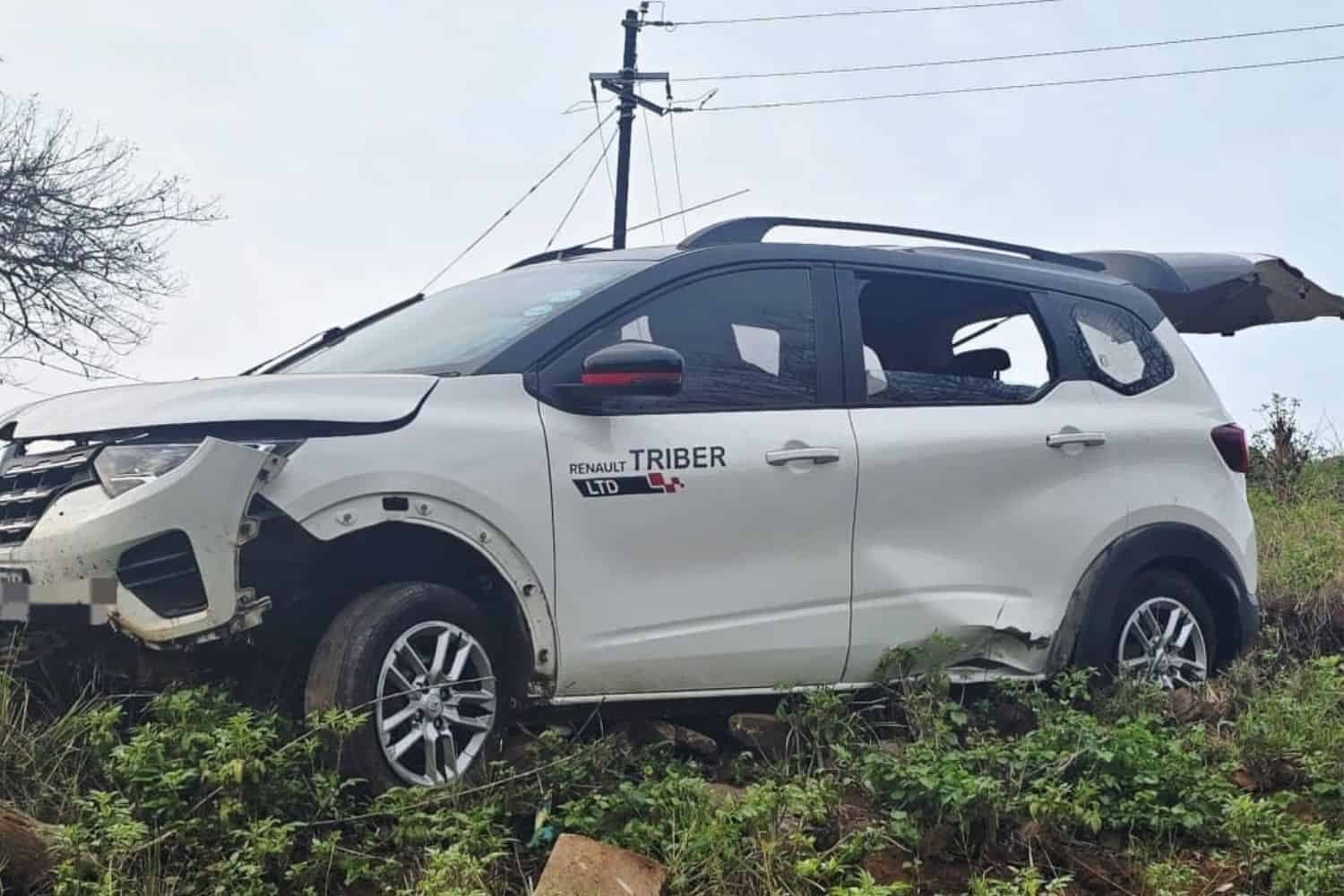
Ten school children have been hospitalised following a harrowing accident in KwaZulu-Natal, where a scholar transport vehicle veered off the road and plunged into an embankment. The incident, which occurred on Tuesday, 1 September 2026, has sparked immediate concern among parents, educators, and local communities regarding the safety of learners commuting to school. Emergency services responded to the scene to treat and transport the injured children to nearby medical facilities.
While the exact cause of the crash remains under investigation, early reports indicate that the vehicle carrying the learners lost control before plunging down the embankment. Information regarding the ages of the children and the severity of their injuries has not been fully disclosed, but all ten affected learners required hospitalisation. Authorities are expected to conduct a thorough investigation into the roadworthiness of the vehicle and the circumstances leading up to the accident.
This latest incident highlights a persistent and deeply worrying issue on South African roads: the safety of scholar transport. Across the country, millions of learners rely on private operators, minibuses, and informal transport services to travel to and from school daily. While these services fill a critical gap in public infrastructure, many operate under precarious conditions, sometimes utilising overloaded or poorly maintained vehicles.
In South Africa, the Department of Transport and the Department of Basic Education have established guidelines to govern scholar transport. These regulations mandate that vehicles transporting learners must be roadworthy, drivers must possess valid professional driving permits (PrDPs), and passenger limits must be strictly adhered to. However, enforcement remains a significant challenge, particularly in rural and semi-urban areas where monitoring is sparse.
Following crashes of this nature, community members and road safety advocates frequently call for stricter law enforcement and regular roadblocks targeting scholar transport operators. Parents often find themselves in a difficult position, forced to rely on affordable transport options despite lingering fears over their children's safety. Advocacy groups emphasise that ensuring the safe transport of children is a collective responsibility involving government, operators, and schools.
At this stage, several details surrounding the KwaZulu-Natal crash remain unconfirmed. It is still unclear whether other vehicles were involved in the incident, or if poor weather conditions and road infrastructure played a role. Furthermore, the identity of the transport operator and whether they possessed the necessary permits to transport school children has not yet been publicised by local traffic authorities.
As the ten hospitalised learners receive medical attention, the focus shifts to the official investigation. South Africans will be watching closely to see if any charges will be laid against the driver or the transport company involved. The incident serves as a stark reminder of the urgent need for systemic reforms and more rigorous, visible policing on provincial roads to protect the country's most vulnerable road users.
Reporting record
How this story was produced
This article was AI-generated from the frozen trend evidence and passed deterministic quality and safety gates. No cross-provider evidence review or independent human verification is claimed for this record.
- Byline
- Newstrends AI Newsroom
- First published
- Last material update
- No later material update recorded
- Distinct source identifiers
- 1 retained source identifier
Frozen source links for this publication
Chronology
Story timeline
A generated chronology for orientation; dates and details may require source verification.
Update
A scholar transport vehicle carrying school children plunges into an embankment in KwaZulu-Natal, resulting in ten learners being hospitalised.
Reader file
Frequently asked questions
01How many children were injured in the KwaZulu-Natal scholar transport crash?
Ten school children were hospitalised following the accident.
02What caused the vehicle to plunge into the embankment?
The exact cause of the crash is currently unknown and remains under investigation by local authorities.
03Where did the accident take place?
The incident occurred in KwaZulu-Natal, South Africa.
Keep reading
Related coverage
More published reporting connected to this story.
KZN law enforcement impounds 11 trucks and arrests speeding driver in major road transport crackdown
Authorities in KwaZulu-Natal have clamped down on heavy vehicle non-compliance, impounding 11 trucks and arresting a driver for speeding. The targeted enforcement operation highlights ongoing efforts to improve safety on the province's busy freight corridors.

KZN Kingpin Arrested as Authorities Crack Down on R500m Guardrail Theft Syndicate
A suspected kingpin has been arrested in KwaZulu-Natal following a major crackdown on a massive guardrail theft syndicate. The criminal network is linked to the theft of public infrastructure valued at an estimated R500 million.
Tragedy on SA Roads: N1 Free State Bus Crash Toll Rises as Three Die in KZN Collision
The death toll from a major bus crash on the N1 in the Free State has risen, while a separate collision between a taxi and a car in KwaZulu-Natal has left three people dead.

WEATHER: Morning Fog Patches Expected to Impact Parts of South Africa
A weather advisory warns of morning fog patches developing across several parts of South Africa. Motorists and commuters are urged to exercise caution due to significantly reduced visibility on major transport routes.

Frost and fog patches set to blanket parts of South Africa
Weather alerts indicate that morning frost and thick fog patches are set to blanket several parts of South Africa. Residents and motorists are advised to exercise caution as late-winter conditions impact visibility and temperatures.