Stuart Scharnick Faces Fresh Gun Charges as Legal Battle Moves to KwaZulu-Natal
Stuart Scharnick has appeared in court once again on firearm-related charges, with the latest legal proceedings taking place in KwaZulu-Natal. The case highlights ongoing efforts by South African authorities to address illegal firearms, though many specifics of the current charges remain undisclosed.
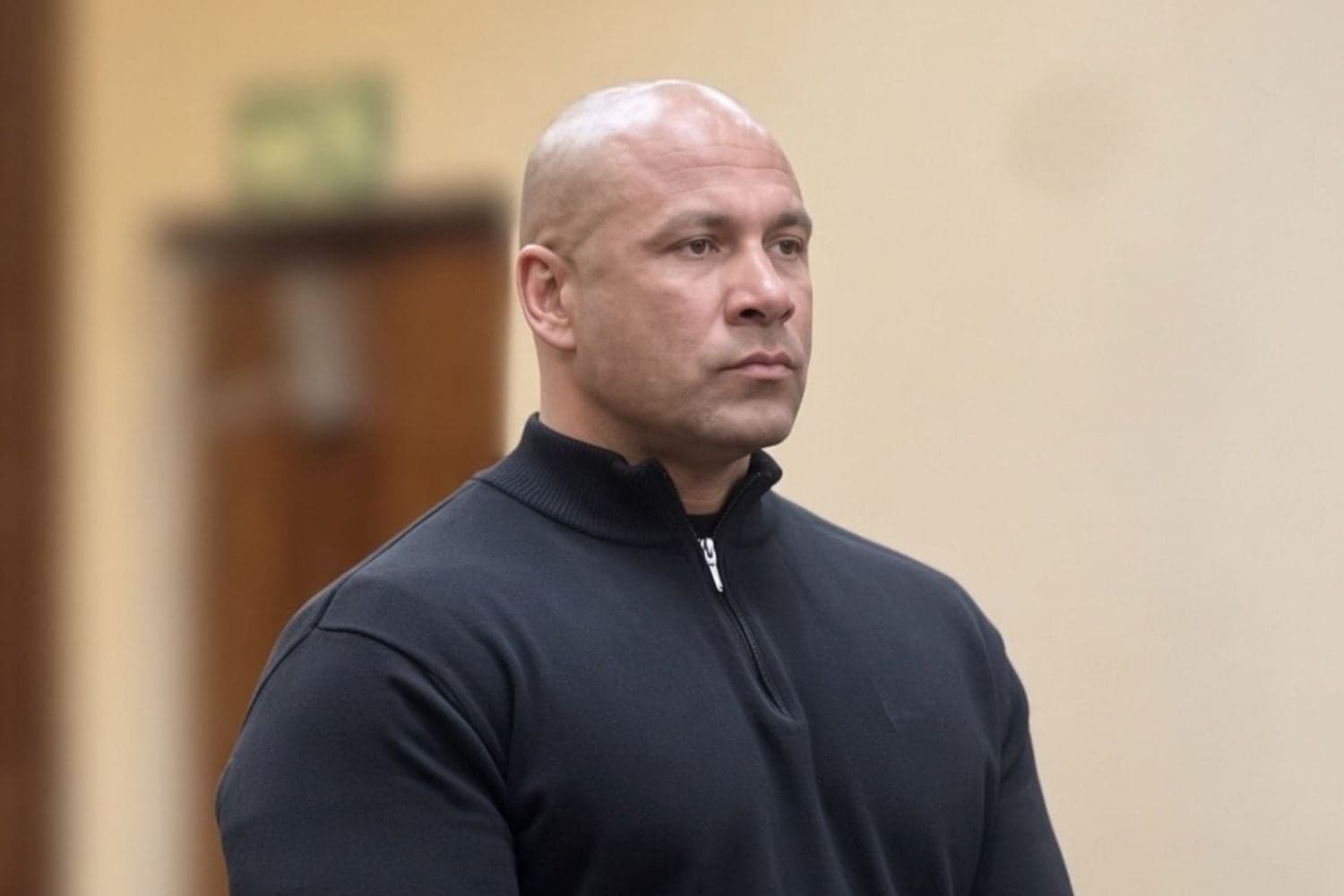
Stuart Scharnick has once again found himself in the legal spotlight, facing firearm-related charges. This time, however, the legal proceedings are unfolding in the KwaZulu-Natal (KZN) province. The development, reported by local media on 26 August 2026, marks a significant turn as Scharnick faces familiar allegations in a different regional jurisdiction.
According to the initial reports from South African media outlet The Citizen, Scharnick's latest court appearance centres on gun charges. The phrasing of the charges indicates that this is not his first encounter with the law regarding illegal firearms or related offences. While the report confirms his appearance in a KZN court, specific details regarding the exact nature of the firearms, the circumstances of his arrest, and the exact location of the court hearing remain tightly held.
In cases of this nature, several key details are crucial to understanding the full scope of the allegations. At this stage, it remains unclear whether Scharnick is facing charges related to the unlawful possession of unlicensed firearms, ammunition, or more severe offences such as the negligent discharge or trafficking of weapons. Furthermore, details regarding his legal representation, whether he has applied for bail, and how he intends to plead to these latest charges have not yet been made public.
The mention of Scharnick appearing on gun charges "again" points to a prior legal history involving similar offences. In the South African legal system, repeat offences involving firearms are treated with a high degree of seriousness. However, the specific details of his previous charges—including where they occurred, the outcomes of those cases, and whether he was convicted or acquitted—have not been detailed in the primary reports. This lack of historical detail leaves a significant gap in the public record regarding his broader legal standing.
The shift in jurisdiction to KwaZulu-Natal is a notable aspect of this developing story. KZN has frequently been a focal point for law enforcement efforts aimed at curbing illegal firearms and violent crime. The South African Police Service (SAPS) in the province has repeatedly emphasised its commitment to removing unlicensed weapons from the streets. Facing gun charges in this specific province places Scharnick's case within a broader, highly scrutinised regional effort to combat gun-related offences.
Under South African law, specifically the Firearms Control Act 60 of 2000, the state maintains strict regulations regarding the possession and licensing of firearms. For individuals facing repeat charges, the legal hurdles are substantially higher. Repeat offenders often face stiffer opposition from the state when applying for bail, as prosecutors frequently argue that there is a risk of reoffending or that the accused poses a danger to society. The courts also view repeat offences as an aggravating factor during sentencing if a conviction is secured.
Gun violence and the proliferation of illegal firearms remain major concerns for citizens across South Africa. Consequently, court cases involving individuals with a history of firearm charges naturally attract significant public interest. The community's demand for accountability and swift justice is particularly strong in regions like KZN, where illegal weapons are often linked to broader safety challenges.
As the legal process begins to move forward in KwaZulu-Natal, observers and the public will be watching for several key developments. The next immediate step in the judicial process will likely involve formalising the charges and determining whether the state will oppose bail. As more details emerge from the court proceedings, a clearer picture of the allegations against Stuart Scharnick, his defence strategy, and the potential consequences he faces under South African law will begin to take shape.
Reporting record
How this story was produced
This article was AI-generated from the frozen trend evidence and passed deterministic quality and safety gates. No cross-provider evidence review or independent human verification is claimed for this record.
- Byline
- Newstrends AI Newsroom
- First published
- Last material update
- No later material update recorded
- Distinct source identifiers
- 1 retained source identifier
Frozen source links for this publication
Chronology
Story timeline
A generated chronology for orientation; dates and details may require source verification.
Update
Stuart Scharnick's appearance on firearm charges in KwaZulu-Natal is reported by local media.
Reader file
Frequently asked questions
01Who is Stuart Scharnick?
Stuart Scharnick is an individual who has recently appeared in court in KwaZulu-Natal to face firearm-related charges.
02Has Stuart Scharnick faced similar charges before?
Yes, reports indicate that this is not his first time facing gun charges, though the specific details of his prior offences have not been fully disclosed.
03What specific charges is he facing in KwaZulu-Natal?
The exact details of the charges, including the types of firearms involved and the specific court, remain unclear at this stage of the proceedings.
Keep reading
Related coverage
More published reporting connected to this story.
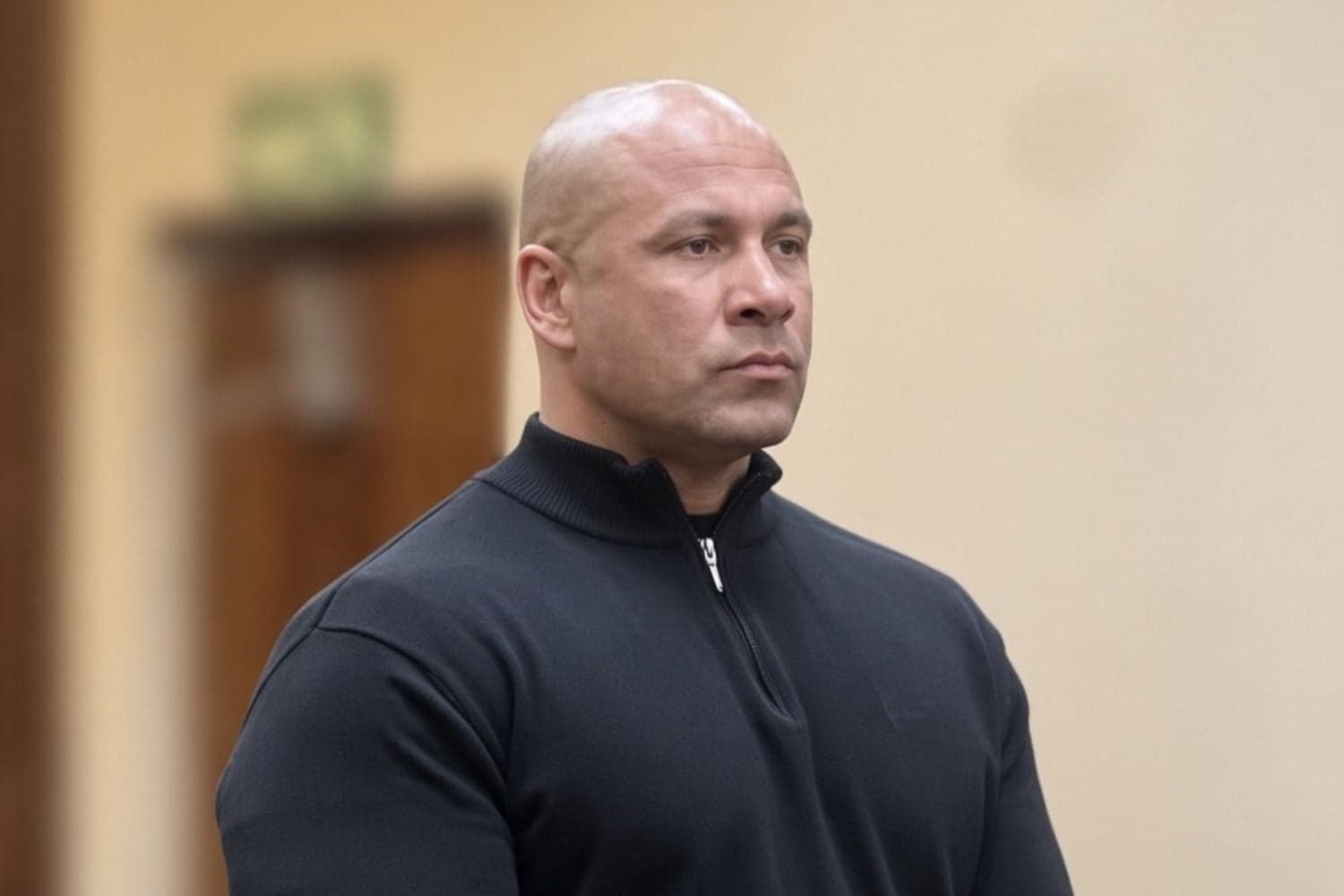
Stuart Scharnick remanded in custody on firearm charges
Stuart Scharnick is set to remain behind bars after being remanded in custody on gun charges. The decision highlights the strict approach South African courts take toward firearm-related offences as the investigation continues.
Brazen Armed Robbery Reported at Merebank Kali Amman Community Temple
Reports of an armed robbery at the Merebank Kali Amman community temple have sparked widespread concern across South Africa. While the incident has drawn significant public attention, official details regarding suspects, injuries, and stolen items remain unconfirmed.
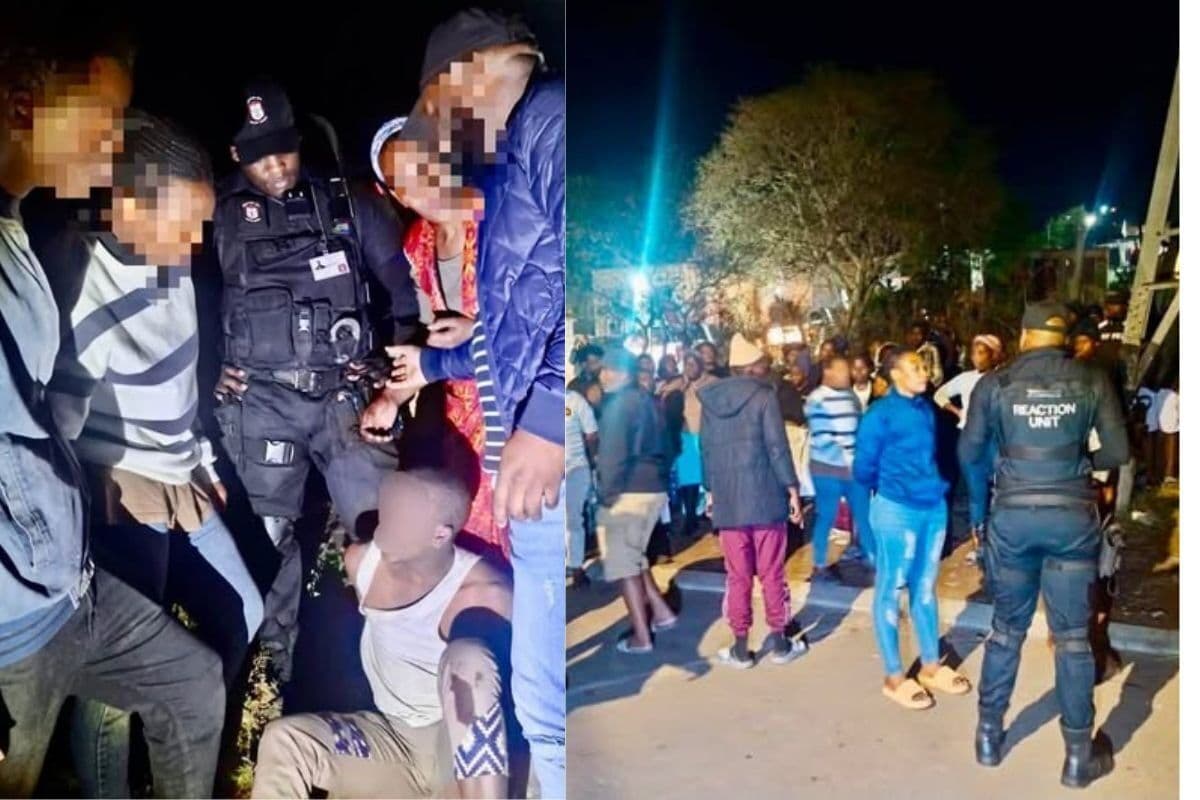
KZN Traditional Healer Arrested for Alleged Sexual Assault of Two Girls
A traditional healer has been arrested in KwaZulu-Natal following allegations of sexually assaulting two young girls. The arrest has renewed calls for stricter oversight of traditional practitioners and stronger child protection measures.
WATCH: Engen Refinery's Conversion to Storage Facility Begins in KZN With Stack Demolition
The conversion of the Engen Refinery in KwaZulu-Natal into a storage facility has officially commenced with the demolition of a prominent stack. This transition marks a significant shift in South Africa's energy infrastructure from refining to fuel storage. Video footage of the demolition has drawn widespread attention.
Demands for Justice: Operation Ubuntu Leads Fight Against Xenophobia in KwaZulu-Natal
A new initiative known as Operation Ubuntu has emerged in KwaZulu-Natal, demanding justice and accountability in the fight against xenophobia. The campaign highlights the ongoing need for social cohesion and legal recourse in the province. Local communities and authorities are watching closely as the movement develops.