WATCH: Engen Refinery's Conversion to Storage Facility Begins in KZN With Stack Demolition
The conversion of the Engen Refinery in KwaZulu-Natal into a storage facility has officially commenced with the demolition of a prominent stack. This transition marks a significant shift in South Africa's energy infrastructure from refining to fuel storage. Video footage of the demolition has drawn widespread attention.
On 12 August 2026, a significant milestone in South Africa's industrial landscape was reached in KwaZulu-Natal as the demolition of a stack at the Engen Refinery marked the official beginning of the site's conversion into a storage facility. The event, captured in widely circulated video footage, signals the start of a major transition for the historic energy infrastructure asset. This structural demolition represents a physical shift from active crude oil refining to import and storage operations, a move that has drawn widespread attention across the region.
The demolition of the refinery's stack serves as the primary visual indicator of the decommissioning process. According to reports from KwaZulu-Natal, the controlled downing of the stack is the first major step in clearing the site for its new role. While specific technical details regarding the exact height of the demolished stack, the quantity of explosives used, or the precise hour of the detonation have not been fully detailed in the initial reports, the visual impact of the demolition has quickly become a point of interest for local residents and industry observers alike.
The transition of the Engen Refinery into a dedicated storage facility is a process that has been planned as part of the company's long-term operational strategy in South Africa. For decades, the refinery in South Durban, KwaZulu-Natal, was a key component of the country's liquid fuels supply chain. However, the decision to pivot toward a storage and terminal model reflects broader economic and structural shifts within the national energy sector. By converting the refinery, the site will transition from processing crude oil to storing and distributing refined petroleum products.
This conversion carries notable significance for both the local economy of KwaZulu-Natal and the wider South African fuel market. As a storage facility, the site is expected to play a crucial role in ensuring fuel security by hosting imported refined products. While refining crude locally has historically been a cornerstone of South African industry, the shift to storage facilities highlights the growing reliance on imported finished fuels. The strategic location of the facility near major transport routes in KwaZulu-Natal remains vital for distributing energy products to the economic hub of Gauteng and surrounding provinces.
The demolition of the refinery stack and the subsequent conversion of the facility also raise important questions regarding environmental impact and community safety. Refineries are historically associated with significant emissions, and the cessation of refining activities is expected to alter the environmental footprint of the South Durban basin. However, the exact plans for site rehabilitation, soil remediation, and the management of future emissions from the storage tanks remain key areas where further official updates from Engen are anticipated. Local community groups and environmental advocates are expected to monitor these developments closely.
Another critical aspect of the refinery's conversion is the impact on the local workforce and industrial services sector. Operating a storage and distribution terminal typically requires a different staffing structure compared to running a complex, active crude oil refinery. While the initial demolition phase involves specialized engineering and contracting teams, the long-term employment outlook for former refinery workers remains an ongoing topic of discussion. Details regarding retrenchment packages, redeployment opportunities within Engen's broader network, or new roles created by the storage facility have not been fully detailed in the current reports.
As the conversion process gets underway, several key pieces of information remain unconfirmed. It is currently unclear how long the entire decommissioning and rebuilding phase will take before the storage facility is fully operational. Additionally, the ultimate storage capacity of the new terminal and the specific types of fuel products it will house have not been publicly detailed in the initial announcements surrounding the stack demolition. Industry analysts will be watching closely for official statements from Engen regarding the capital expenditure allocated for this conversion project.
Moving forward, stakeholders will be keeping a close eye on the subsequent phases of the site's transformation. The demolition of the stack is merely the first of potentially many structural changes at the KwaZulu-Natal site. Observers will watch for regulatory filings, environmental clearance reports, and updates on how this transition affects South Africa's national fuel reserves. As the country navigates its broader energy transition, the physical dismantling of refining infrastructure stands as a stark symbol of the changing dynamics in the domestic oil and gas sector.
Reporting record
How this story was produced
This article was AI-generated from the frozen trend evidence and passed deterministic quality and safety gates. No cross-provider evidence review or independent human verification is claimed for this record.
- Byline
- Newstrends AI Newsroom
- First published
- Last material update
- No later material update recorded
- Distinct source identifiers
- 1 retained source identifier
Frozen source links for this publication
Chronology
Story timeline
A generated chronology for orientation; dates and details may require source verification.
Update
Demolition of the refinery stack takes place in KwaZulu-Natal, marking the official start of the facility's conversion.
Reader file
Frequently asked questions
01Why is the Engen Refinery being demolished?
The refinery is not being entirely demolished; instead, it is undergoing a conversion process into a refined product storage facility. The demolition of the stack is the first major physical step in this transition.
02Where is this refinery located?
The refinery is located in KwaZulu-Natal, South Africa.
03What will the facility be used for in the future?
Once the conversion is complete, the site will function as a storage and distribution terminal for refined fuel products rather than processing crude oil.
Keep reading
Related coverage
More published reporting connected to this story.
Demands for Justice: Operation Ubuntu Leads Fight Against Xenophobia in KwaZulu-Natal
A new initiative known as Operation Ubuntu has emerged in KwaZulu-Natal, demanding justice and accountability in the fight against xenophobia. The campaign highlights the ongoing need for social cohesion and legal recourse in the province. Local communities and authorities are watching closely as the movement develops.
Voter Registration Weekend in KwaZulu-Natal Sees Impressive Turnout, Reports IEC
The Electoral Commission of South Africa (IEC) has reported a strong turnout during the voter registration weekend in KwaZulu-Natal. While official statistical breakdowns are still being consolidated, the positive reception marks an important step in the province's electoral preparations.

KZN Teen Sentenced to Life Imprisonment for Raping Disabled Woman
A teenager has been handed a life sentence in KwaZulu-Natal for the rape of a disabled woman. The ruling highlights the judiciary's strict stance on sexual violence against vulnerable citizens, though key case details remain protected.
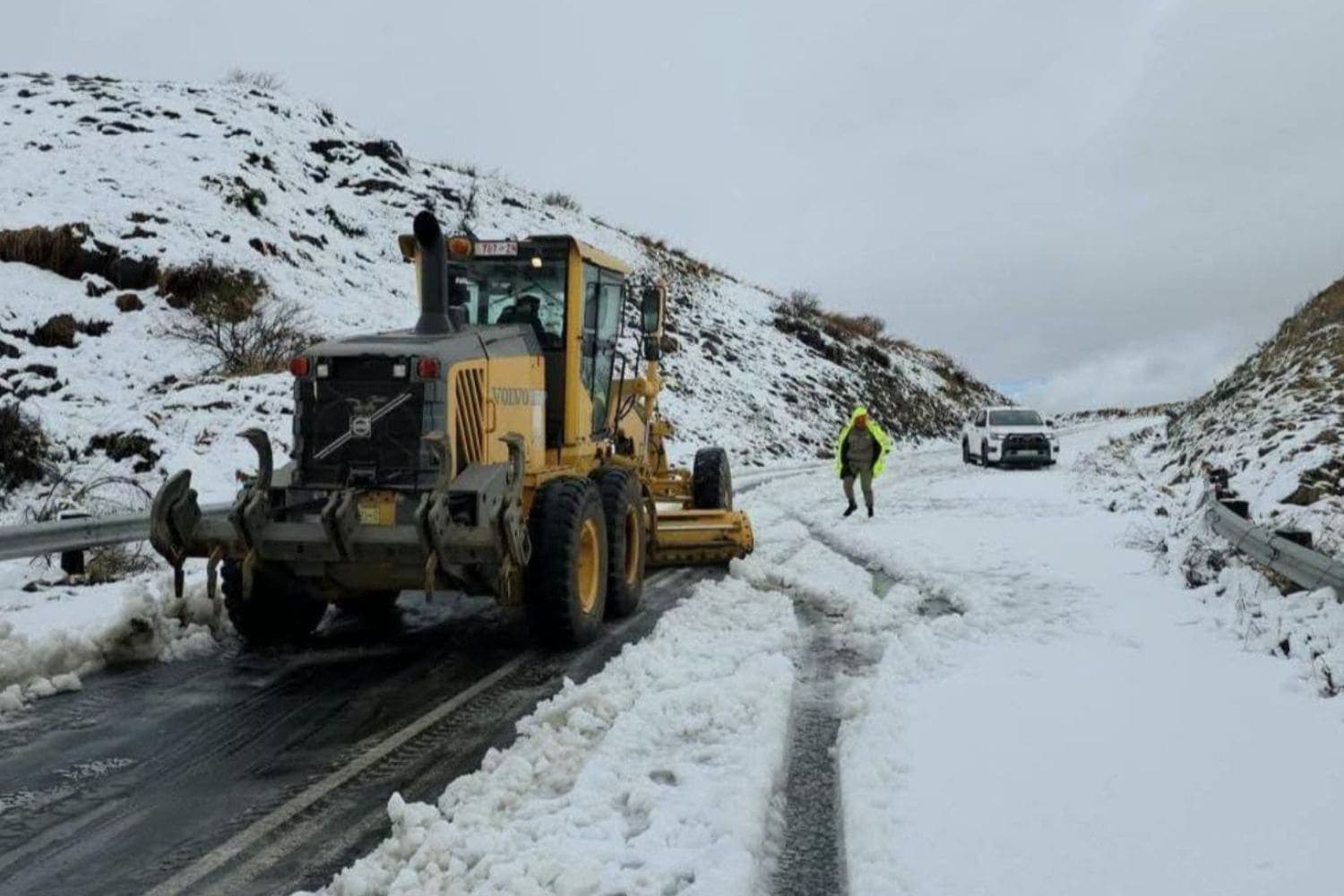
KZN Deploys Graders and Emergency Shelters as Cut-Off Low Raises Snow and Flood Fears
KwaZulu-Natal authorities have mobilized emergency resources, including road graders and temporary shelters, ahead of an approaching cut-off low weather system. The severe weather has sparked widespread concern over potential heavy snowfall and localized flooding across the province.
Jabulani Khumalo Champions Change at African Renaissance Unity Launch in Durban
Prominent figure Jabulani Khumalo has spearheaded the launch of the African Renaissance Unity in Durban. The event signals a new call for change, though the organisation's long-term political and structural goals remain to be fully clarified.