Stuart Scharnick remanded in custody on firearm charges
Stuart Scharnick is set to remain behind bars after being remanded in custody on gun charges. The decision highlights the strict approach South African courts take toward firearm-related offences as the investigation continues.
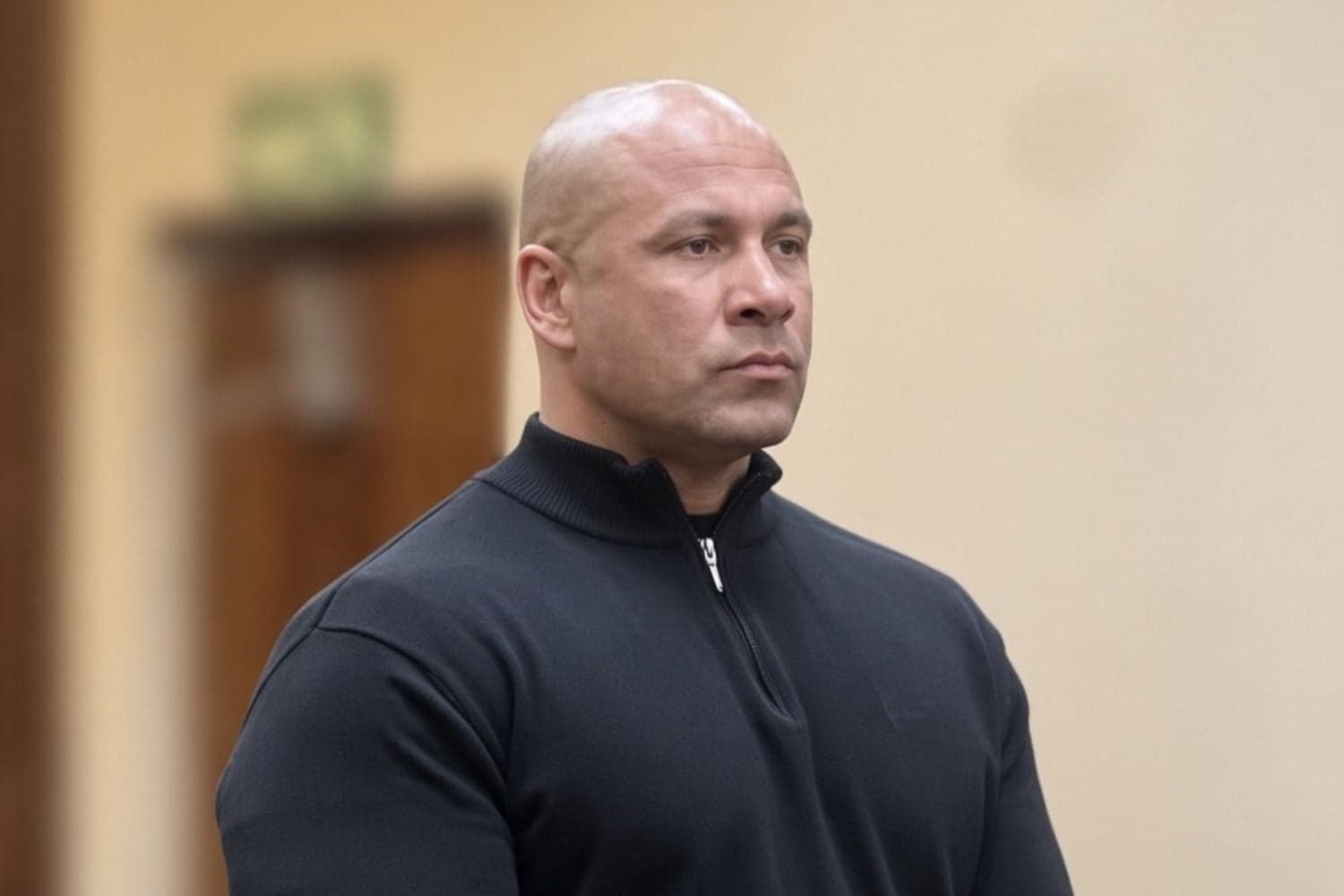
In a developing legal matter that has caught the attention of local observers, Stuart Scharnick is set to remain behind bars as his case proceeds through the South African justice system. According to reports published on 24 August 2026, Scharnick has been officially remanded in custody following his appearance on firearm-related charges. The decision ensures that the accused will remain detained while the legal processes against him continue to unfold.
The ruling to remand Scharnick in custody means he will not be released on bail at this stage of the proceedings. In South Africa, being remanded in custody is a standard legal procedure where an accused individual is kept in a correctional facility pending their next court appearance. This step is typically taken when a bail hearing has been postponed, when bail has been formally denied, or when the court requires more time to assess the merits of a release.
At present, the specific details surrounding the gun charges faced by Scharnick remain limited. The initial reports, first documented by local news outlet The Citizen, confirmed his ongoing detention but did not elaborate on the precise nature of the firearms involved or the circumstances that led to his arrest. This lack of immediate detail is common in the early stages of criminal proceedings in South African courts, where police investigations are often still active.
To maintain strict factual accuracy, several key aspects of the case must be highlighted as currently unverified. It is not yet public knowledge which specific court in South Africa is handling Scharnick’s case, nor has the exact location of his arrest been disclosed. Furthermore, details regarding whether Scharnick is facing charges of possessing an unlicensed firearm, unlawful possession of ammunition, or more severe offences involving a firearm remain to be confirmed by formal court records or police statements.
The seriousness of gun charges in South Africa cannot be understated. The country grapples with high levels of violent crime, and as a result, the judicial system treats firearm-related offences with extreme gravity. Under the South African Criminal Procedure Act, certain firearm offences carry stringent bail requirements. Depending on the classification of the charges, an accused person may face a significant legal hurdle to prove that the interests of justice permit their release on bail, which often explains why suspects are remanded in custody.
When an individual is remanded on gun charges, the state prosecution typically uses the period of detention to finalize essential elements of the investigation. This can include conducting ballistic tests on any seized firearms, verifying the accused’s profile and physical address, and checking for any outstanding warrants or prior criminal records. These administrative and investigative steps are crucial for the state before a formal bail application can be argued in court.
The public interest in cases involving illegal firearms remains high across South African communities. Illegal weapons are frequently linked to broader issues of community safety and organized crime. Consequently, court appearances involving gun charges are closely monitored by both community members and the media. The ongoing detention of Scharnick reflects the cautious approach often taken by the courts when dealing with suspects accused of violating the country's strict gun control laws.
As the legal process moves forward, the next critical step for Scharnick will be his subsequent court appearance. Legal analysts note that future proceedings will likely clarify whether his legal team intends to launch a formal bid for bail or if he will remain in custody for the duration of the trial. Until the state presents its formal indictment, observers and the public must wait for official court updates to understand the full scope of the allegations against him.
Reporting record
How this story was produced
This article was AI-generated from the frozen trend evidence and passed deterministic quality and safety gates. No cross-provider evidence review or independent human verification is claimed for this record.
- Byline
- Newstrends AI Newsroom
- First published
- Last material update
- No later material update recorded
- Distinct source identifiers
- 1 retained source identifier
Frozen source links for this publication
Chronology
Story timeline
A generated chronology for orientation; dates and details may require source verification.
Update
Stuart Scharnick is reported to have been remanded in custody on gun charges.
Reader file
Frequently asked questions
01Why is Stuart Scharnick remaining behind bars?
Stuart Scharnick has been remanded in custody following his appearance on gun-related charges, meaning he will remain detained in a correctional facility as his legal case proceeds.
02What specific gun charges does Stuart Scharnick face?
The precise details of the firearm charges, including the types of weapons involved or the circumstances of the arrest, have not yet been publicly disclosed in the initial reports.
03Which court is hearing Stuart Scharnick's case?
The specific South African court presiding over the matter has not yet been confirmed.
Keep reading
Related coverage
More published reporting connected to this story.
Julius Mkhwanazi Calls for Lesser Charge as Emmanuel Mbense Murder Case is Postponed
The murder case against Julius Mkhwanazi, accused of killing Emmanuel Mbense, has been postponed. Mkhwanazi is arguing that he should face a lesser charge instead of murder as the legal process unfolds.
Hawks Admit No Breakthrough in Search for Missing Cousins After 21 Months
The Hawks have admitted to having no breakthrough in the search for two missing cousins after 21 months. The update leaves the family in a painful state of limbo as the investigation continues.

Stolen Porsche Recovered and Suspect Arrested in South African Vehicle Trafficking Crackdown
South African authorities have successfully recovered a stolen Porsche and arrested a suspect linked to an organized vehicle trafficking syndicate. While specific details of the operation remain limited, the recovery highlights the ongoing battle against high-value car theft in the region.

Manhunt Launched in Limpopo After Elderly Passenger Shot Dead in Hijacking
Police in Limpopo have initiated a manhunt for suspects who shot and killed an elderly passenger during a vehicle hijacking. The incident has raised fresh concerns over road safety and the vulnerability of elderly passengers in South Africa.
Meyiwa Murder Mastermind Still at Large, Claims AfriForum
Civil rights organisation AfriForum has stated that evidence suggests the mastermind behind the murder of Senzo Meyiwa remains at large. This claim raises fresh questions about the completeness of the ongoing legal proceedings and the pursuit of full justice.