South Africans Back New Water Bill but Demand Stronger Enforcement for Real Change
Reports indicate widespread public support for a newly proposed water bill aimed at addressing South Africa's water security. However, residents are urging authorities to implement stricter enforcement mechanisms to ensure the legislation is effective.
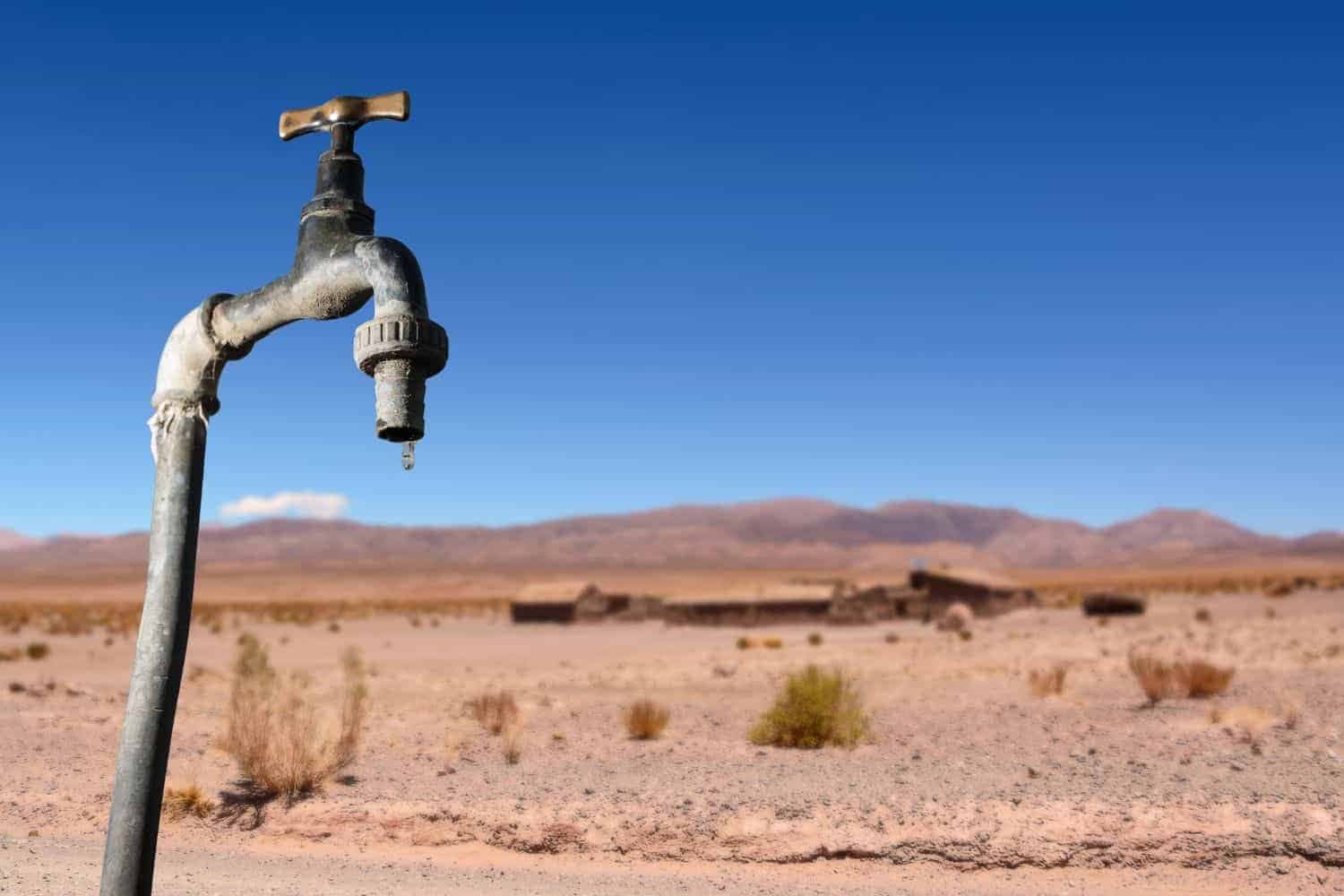
On 29 August 2026, reports emerged highlighting that South African residents have expressed broad support for a newly proposed water bill. However, alongside this general backing, citizens are strongly demanding more robust enforcement mechanisms to ensure the legislation achieves its intended goals. The feedback indicates a growing public consensus that policy reform must be accompanied by strict accountability.
The development, originally reported by local news outlet The Citizen, underscores a critical juncture in South Africa's ongoing water governance reforms. While the specific legislative details of the bill—such as its exact clauses, target regions, and proposed financial penalties—remain to be fully detailed in public domains, the public's reaction reveals a deep-seated concern over how water resources are managed and protected across the country.
In South Africa, the gap between policy formulation and practical implementation has historically been a major point of contention for residents. By backing the bill but calling for stronger enforcement, citizens are signaling that new laws alone will not solve the country's water security issues. Instead, they are urging authorities to back the legislation with visible policing, strict penalties for non-compliance, and clear accountability for municipal water service providers.
Because the initial reports focus primarily on the broad public consensus, several key aspects of the bill remain unclear. It is not yet specified whether this bill originates from the national Department of Water and Sanitation or if it represents a localized provincial legislative push. Furthermore, the exact nature of the enforcement mechanisms being demanded—whether they involve municipal water police, heavier fines for industrial polluters, or stricter residential water restrictions—has not been publicly detailed.
South Africa faces severe water challenges, including aging infrastructure, municipal mismanagement, and the impacts of climate change, which often lead to localized "water shedding" or supply disruptions. In this context, any new legislative framework aimed at regulating water use, distribution, or conservation is bound to attract intense public interest. The call for stronger enforcement suggests that residents are increasingly unwilling to tolerate systemic failures in water delivery and infrastructure maintenance.
Public participation processes are a constitutional requirement in South Africa for major legislative changes. The feedback from residents regarding this water bill highlights the importance of these democratic channels. It shows that South Africans are not passive consumers of policy but are actively seeking to shape the laws that govern their daily access to essential services like clean, reliable water.
Moving forward, observers and residents will be watching closely to see how lawmakers respond to these calls for stronger enforcement. The next steps will likely involve parliamentary or committee reviews where the bill's language may be tightened to include clearer oversight mechanisms. Whether the final version of the bill will incorporate the teeth that citizens are demanding remains the key question for the coming months.
As of late August 2026, the proposed water bill represents a hopeful but cautious step toward addressing South Africa's water future. While the public has given its nod of approval to the spirit of the legislation, the true test will lie in whether the government can deliver the robust enforcement frameworks necessary to turn policy into reliable, everyday service delivery at the tap.
Reporting record
How this story was produced
This article was AI-generated from the frozen trend evidence and passed deterministic quality and safety gates. No cross-provider evidence review or independent human verification is claimed for this record.
- Byline
- Newstrends AI Newsroom
- First published
- Last material update
- No later material update recorded
- Distinct source identifiers
- 1 retained source identifier
Frozen source links for this publication
Chronology
Story timeline
A generated chronology for orientation; dates and details may require source verification.
Update
The Citizen reports that South African residents back the new water bill but demand stronger enforcement.
Reader file
Frequently asked questions
01What is the new water bill about?
While specific details of the bill's clauses have not been fully publicized, it is a legislative proposal aimed at improving water governance in South Africa.
02Why are residents calling for stronger enforcement?
Residents are concerned that without strict penalties, visible policing, and accountability, the new law will not effectively resolve the country's ongoing water challenges.
03Who reported on the public support for the bill?
The development was reported by South African news outlet The Citizen on 29 August 2026.
Keep reading
Related coverage
More published reporting connected to this story.
Water Bankruptcy in South Africa: What Citizens Need to Know About the Emerging Crisis
Reports emerging on 24 July 2026 have highlighted the growing threat of 'water bankruptcy' in South Africa. This critical concept refers to a state where water demand and financial mismanagement collapse municipal supply chains, urging immediate public awareness.
Western Cape July Rainfall Hits Historic Lows: Where Has the Winter Rain Gone?
Reports indicate that the Western Cape has experienced one of its driest July periods in decades, raising concerns for water security and agriculture. As the peak winter rainfall month ends with unusually dry weather, experts and residents are questioning the cause of the missing cold fronts.

Can South Africa Restore Faith in Its Judiciary? National Debate Ignited by Media Report
A prominent South African news outlet has raised critical questions regarding public trust in the nation's judiciary. As debate intensifies, observers highlight the importance of judicial integrity to the country's constitutional democracy.

Tragedy, Grief and Political Shifts: South Africa Reacts to Major National Developments
South Africa is mourning the tragic death of a missing four-year-old child and the passing of boxing legend Zolani Tete. Meanwhile, the national political landscape faces a major shake-up as several National Freedom Party leaders defect to the Inkatha Freedom Party.
Madlanga Commission: Fadiel Adams Admits to Misleading Minister as 'Dead Man' Defence Unravels
Fadiel Adams has admitted to misleading a government minister during intense questioning at the Madlanga Commission. The admission came as his 'dead man' defence collapsed under scrutiny from Madlanga over key inconsistencies.