Can South Africa Restore Faith in Its Judiciary? National Debate Ignited by Media Report
A prominent South African news outlet has raised critical questions regarding public trust in the nation's judiciary. As debate intensifies, observers highlight the importance of judicial integrity to the country's constitutional democracy.

The question of whether South Africa can successfully restore public faith in its judiciary has emerged as a central theme in the national discourse. This critical issue was highlighted on 27 August 2026, when the prominent South African news publication, The Citizen, published an opinion piece addressing this very question. The article, titled "Can South Africa restore faith in its judiciary?", has sparked widespread reflection among citizens, legal practitioners, and political observers across the country, underscoring a growing collective concern over the perceived standing of the nation's courts.
As a cornerstone of South Africa’s constitutional democracy, the judiciary is tasked with the monumental responsibility of upholding the rule of law, protecting citizens' rights, and ensuring accountability at all levels of society. Consequently, any public discussion questioning the level of faith in this vital institution carries profound implications. The debate raised by The Citizen suggests that public confidence may be experiencing a period of strain, prompting a necessary examination of what steps are required to reinforce the credibility and integrity of the legal system.
While the tracking data confirms the publication and immediate relevance of this discussion, the specific catalysts behind this particular commentary remain unspecified. The data does not detail whether the piece was prompted by recent high-profile judgments, administrative backlogs, controversies surrounding judicial appointments, or broader political pressures. In the absence of these specific details, it remains unclear which exact elements of the judicial system are currently under the greatest scrutiny, or what precise remedies are being proposed by legal experts to address these challenges.
Despite these missing details, the broader context of the South African legal landscape provides clear indications of why this question is so resonant. For years, the judiciary has found itself at the centre of intense public interest, often acting as the final arbiter in complex socio-political disputes. When the public begins to question the efficacy or impartiality of the courts, it threatens the very foundation of democratic governance. Therefore, addressing the question of how to restore faith is not merely an academic exercise but a practical necessity for national stability.
The media's role in amplifying these questions is crucial. By posing the question of whether faith can be restored, publications like The Citizen provide a platform for open dialogue. This encourages a transparent assessment of the judiciary’s performance and allows for a constructive debate on necessary reforms. For a general South African audience, such discussions are vital for understanding how democratic institutions function and how they can be held accountable to the public they serve.
Looking ahead, the practical implications of this ongoing debate will likely influence several key areas. A judiciary that commands high public trust is essential for maintaining social cohesion, encouraging civic compliance, and attracting foreign investment, as businesses require a predictable and fair legal environment. Conversely, a prolonged decline in public faith could lead to increased skepticism toward court rulings and a general erosion of the rule of law.
To understand how this situation develops, observers and citizens will need to watch for several key indicators. These include official responses from judicial leadership bodies, potential updates on administrative reforms within the court system, and the outcomes of ongoing efforts to improve efficiency and transparency. As the conversation initiated by The Citizen continues to circulate, it remains to be seen what concrete actions will be taken by stakeholders to address the public's concerns and ensure that the judiciary remains a trusted pillar of South African democracy.
Reporting record
How this story was produced
This article was AI-generated from the frozen trend evidence and passed deterministic quality and safety gates. No cross-provider evidence review or independent human verification is claimed for this record.
- Byline
- Newstrends AI Newsroom
- First published
- Last material update
- No later material update recorded
- Distinct source identifiers
- 1 retained source identifier
Frozen source links for this publication
Chronology
Story timeline
A generated chronology for orientation; dates and details may require source verification.
Update
The Citizen publishes an opinion piece titled 'Can South Africa restore faith in its judiciary?', sparking national discussion on the integrity of the legal system.
Reader file
Frequently asked questions
01What sparked the current debate about South Africa's judiciary?
The debate was highlighted by an opinion piece published by the South African news outlet The Citizen on 27 August 2026, questioning whether faith in the country's judicial system can be restored.
02What specific issues are causing a decline in trust?
The available trend data does not specify the exact legal cases, administrative backlogs, or controversies that prompted the discussion, leaving the precise drivers of the current skepticism unclear.
03Why is public faith in the judiciary so important for South Africa?
As a constitutional democracy, South Africa relies on the judiciary to uphold the rule of law, protect citizens' rights, and maintain socio-political stability and investor confidence.
Keep reading
Related coverage
More published reporting connected to this story.
The Price of Misconduct: How Judicial Scandals Are Weakening Public Faith in South African Courts
A major report by the Saturday Star examines how ethical scandals within the judiciary are eroding public trust in South Africa's legal system. The analysis highlights the societal costs of judicial misconduct and the urgent need for transparency.
Cosatu Slams New GBVF Council Line-Up as Another 'Bums-on-Seats' Body
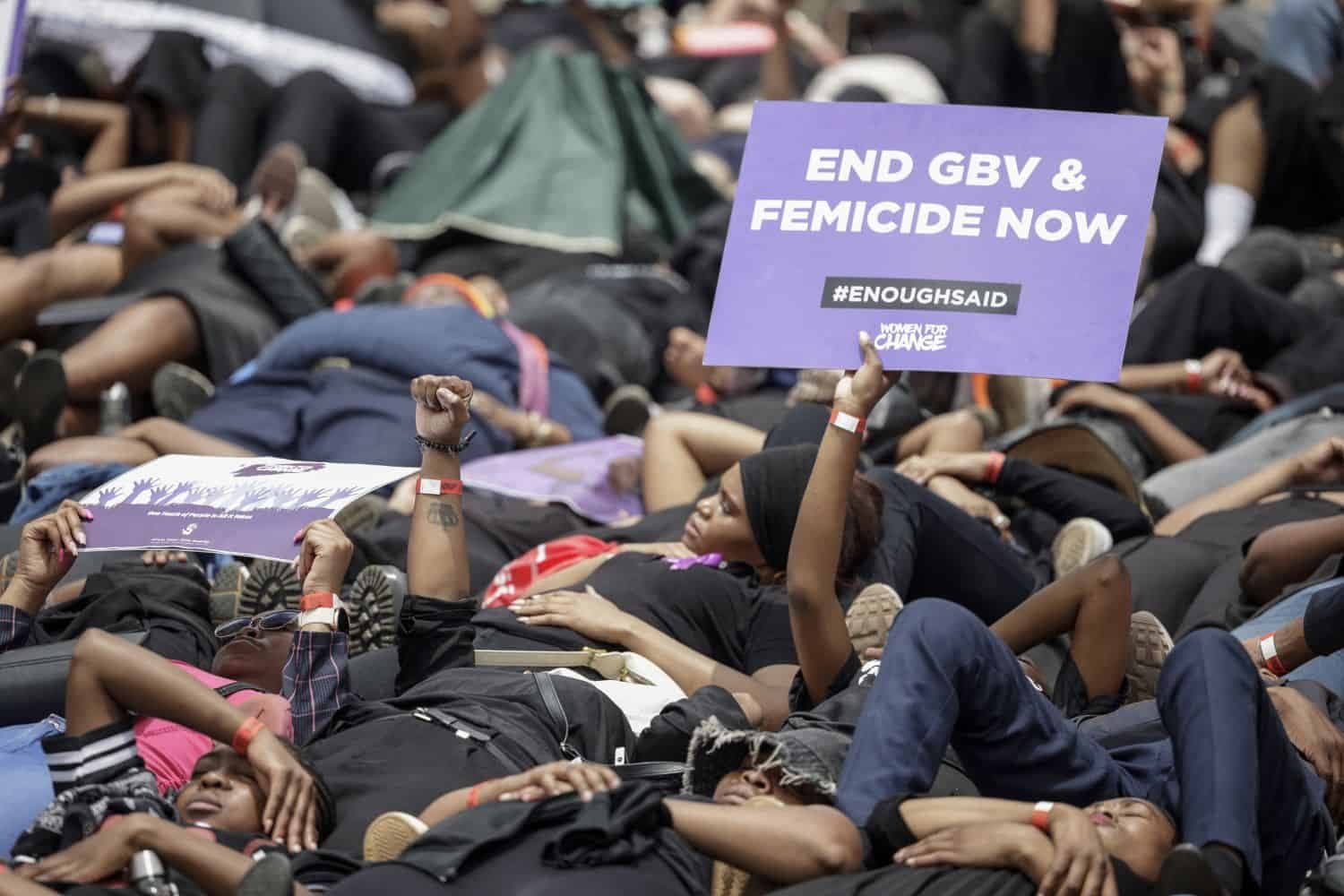
The Congress of South African Trade Unions (Cosatu) has strongly criticized the newly announced Gender-Based Violence and Femicide (GBVF) council line-up. The federation dismissed the structure as a 'bums-on-seats' body, raising concerns over the country's institutional fight against gender-based violence.

Why Private Immigration Enforcement Costs South Africa Dearly, Warns New Report
An opinion piece published by The Citizen warns of the severe societal and economic costs when private actors take immigration law into their own hands. The development highlights the ongoing tension between state-led enforcement and informal community policing in South Africa.

South Africa Urged to Prioritise Child Welfare Over Political Promises
An opinion piece published by The Citizen calls on South Africa to put children before promises. The commentary highlights the critical need for actionable child protection measures over empty political rhetoric.
Blue Uniforms, Blackened Reputations: Viral Article Sparks Debate on South African Police Integrity
A viral opinion piece published by The Post on IOL has reignited intense public debate across South Africa regarding the reputation of law enforcement. The discussion highlights the critical challenges of public trust and systemic accountability facing those in uniform.