Madlanga Commission: Fadiel Adams Admits to Misleading Minister as 'Dead Man' Defence Unravels
Fadiel Adams has admitted to misleading a government minister during intense questioning at the Madlanga Commission. The admission came as his 'dead man' defence collapsed under scrutiny from Madlanga over key inconsistencies.
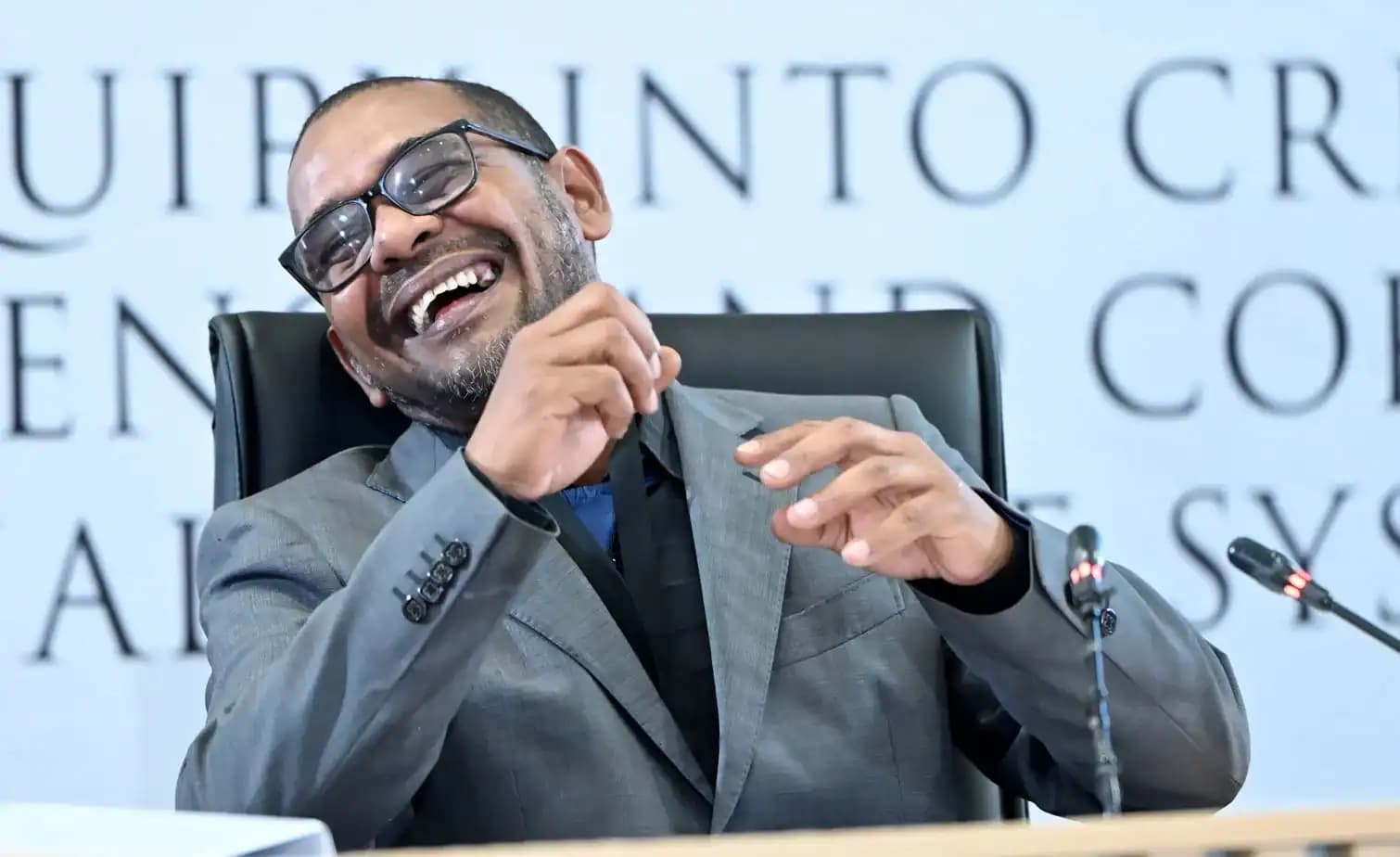
The credibility of testimony before the Madlanga Commission has been thrown into sharp focus following intense proceedings where Fadiel Adams faced rigorous questioning. During his appearance, Adams made a critical admission, conceding that he had misled a government minister. This revelation came as what has been described as his "dead man" defence completely unravelled under close scrutiny.
The proceedings, which have captured significant public attention, saw Madlanga challenge Adams directly over glaring inconsistencies in his testimony. The encounter highlights the ongoing efforts of the commission to establish a clear, factual record of the events under investigation. However, the unraveling of Adams' primary line of defence marks a dramatic shift in the trajectory of his submissions.
While the phrase "dead man" defence typically implies an attempt to shift responsibility or attribute key actions to an individual who is deceased—and therefore unable to corroborate or dispute the claims—the strategy failed to hold up during the session. Under systematic questioning, the logical foundation of this defence collapsed, forcing Adams to acknowledge the discrepancies in his narrative.
A central element of this collapse was Adams' explicit admission that he had misled a minister. In the context of South African governance and public accountability, misleading an executive official is a grave matter. Although the specific identity of the minister involved and the exact subject matter of the deception have not been fully detailed in the initial reports, the admission itself significantly damages the standing of the witness.
Madlanga’s questioning focused heavily on the internal contradictions of the testimony. By pointing out where Adams' statements failed to align with established facts or previous assertions, the commission demonstrated the inconsistencies that ultimately made his position untenable. This rigorous judicial approach is characteristic of South African commissions of inquiry, which are tasked with uncovering truth in matters of public interest.
At this stage of the proceedings, several key details remain unclear to the public. The exact terms of reference guiding the Madlanga Commission, the broader implications of the misled minister's actions, and the precise timeline of the events in question have not been fully disclosed in the primary source material. Observers are cautioned against speculation until official transcripts or interim reports are formally released.
The fallout from these developments could have broader implications for Adams. Beyond the immediate loss of credibility before the commission, admitting to misleading a state official carries potential legal and reputational risks. How the commission chooses to address this admission in its final findings will be a critical point of interest for legal analysts and the public alike.
As the Madlanga Commission continues its work, South Africans will be watching closely to see what steps are taken next. The unraveling of the "dead man" defence serves as a stark reminder of the challenges faced by inquiry bodies in parsing complex testimonies, and it underscores the vital role of thorough, evidence-based questioning in holding public figures accountable.
Reporting record
How this story was produced
This article was AI-generated from the frozen trend evidence and passed deterministic quality and safety gates. No cross-provider evidence review or independent human verification is claimed for this record.
- Byline
- Newstrends AI Newsroom
- First published
- Last material update
- No later material update recorded
- Distinct source identifiers
- 1 retained source identifier
Frozen source links for this publication
Chronology
Story timeline
A generated chronology for orientation; dates and details may require source verification.
Update
Reports emerge detailing Fadiel Adams' admission of misleading a minister and the collapse of his 'dead man' defence at the Madlanga Commission.
Reader file
Frequently asked questions
01What did Fadiel Adams admit to at the Madlanga Commission?
Fadiel Adams admitted to misleading a government minister during his testimony before the commission.
02What is the 'dead man' defence mentioned in the hearings?
The 'dead man' defence refers to an argumentative strategy that has now unravelled under questioning by Madlanga due to logical inconsistencies in Adams' testimony.
03Which minister was misled by Fadiel Adams?
The specific identity of the minister and the exact details of the deception remain unclear from the initial reports and require further official disclosure.
Keep reading
Related coverage
More published reporting connected to this story.
Fadiel Adams Under Fire: Prominent Political Figure Faces Intense Scrutiny in New Report
South African political figure Fadiel Adams is reportedly under fire following a new media report published on 10 August 2026. While specific details remain limited, the development has sparked widespread interest across the country's political landscape.

South Africa Urged to Prioritise Child Welfare Over Political Promises
An opinion piece published by The Citizen calls on South Africa to put children before promises. The commentary highlights the critical need for actionable child protection measures over empty political rhetoric.
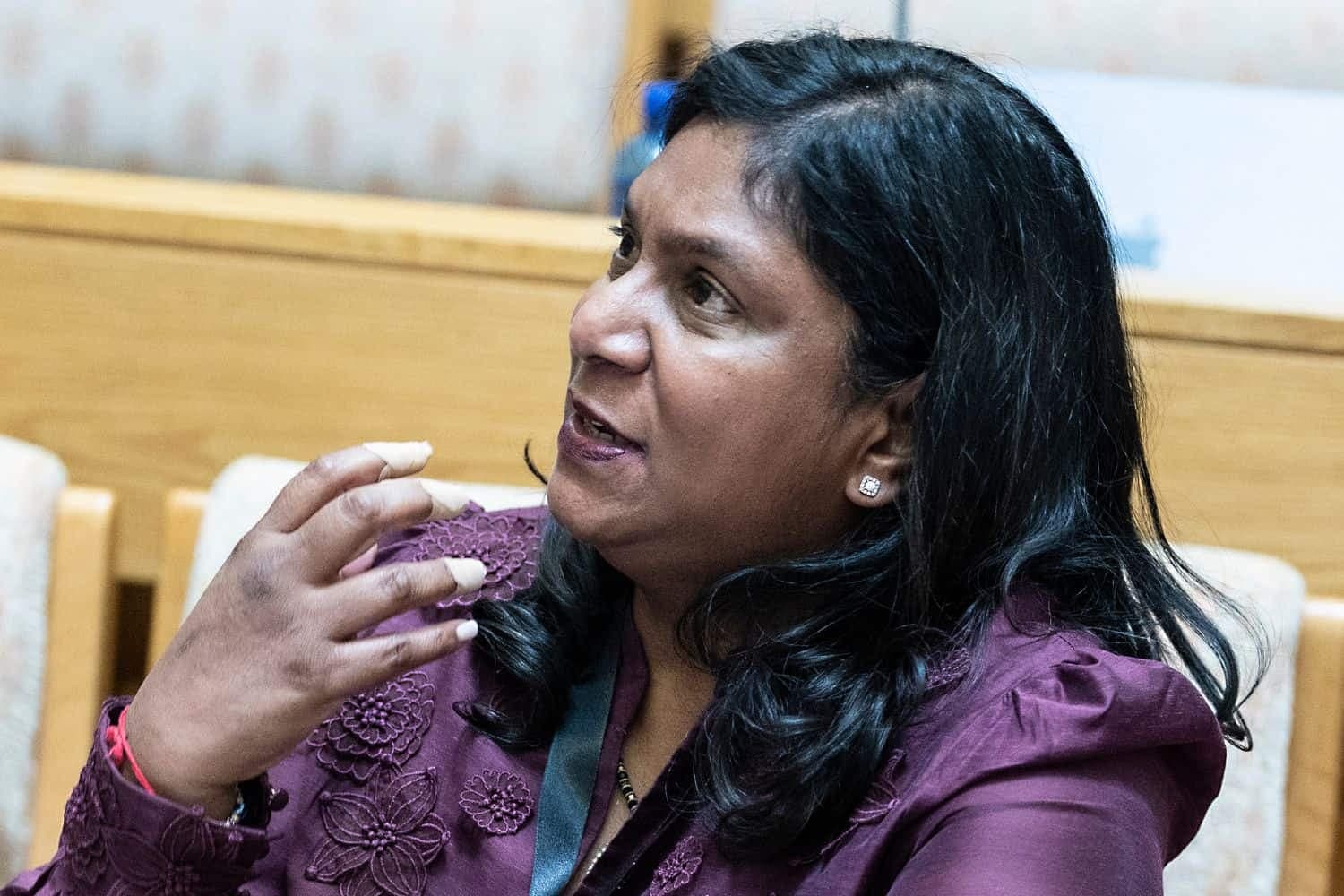
Idac's Andrea Johnson Grilled Over Crime Intelligence Probe in High-Stakes Hearing
Andrea Johnson, head of the Investigating Directorate Against Corruption (Idac), has faced intense questioning over a Crime Intelligence probe. The proceedings, linked to the Madlanga commission, have raised serious accountability concerns.
Phala Phala: Cachalia Defends Clearing of PPS Members Rhoode and Rikhotso
Cachalia has defended the decision to clear Presidential Protection Service (PPS) members Rhoode and Rikhotso of wrongdoing in the Phala Phala scandal. The move has reignited debate over accountability and transparency in South Africa's security structures.
Cheslyn Daniels Vows to Remain in Cape Town Mayoral Race Despite Legal Hurdles
Mayoral candidate Cheslyn Daniels has declared his intention to continue his campaign for Cape Town's top office despite facing legal challenges. While specific details of the legal disputes remain unconfirmed, the development adds significant tension to the local political landscape.