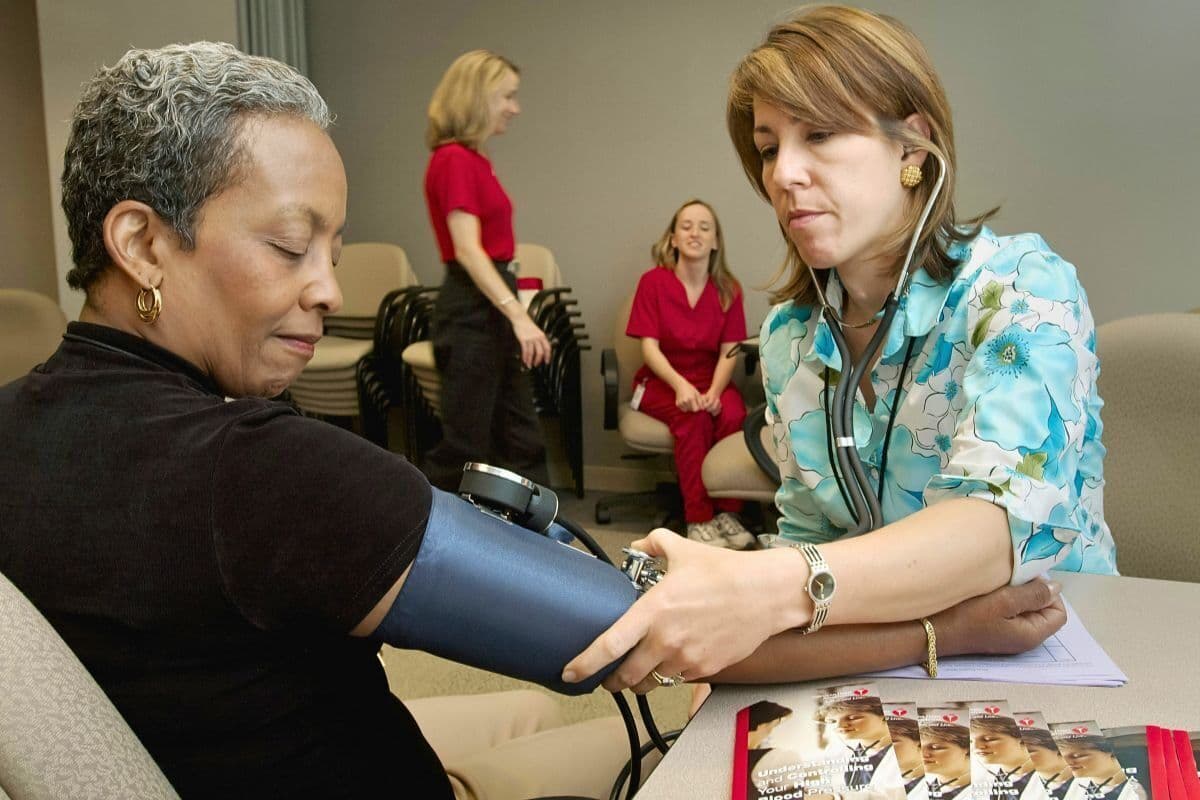
On 18 September 2026, South African media outlet Independent Online (IOL) published a highly anticipated report detailing the earnings of registered nurses in South Africa. The publication of these salary figures has quickly captured public attention, trending as a major point of interest across the country. As healthcare remains a critical pillar of South African society, the revelation of what these essential professionals earn has sparked widespread discussion among job seekers, current healthcare workers, and policy analysts.
According to regional digital trend data, the topic has rapidly gained traction under the 'viral news' category in South Africa. This surge in interest underscores the ongoing public concern regarding the compensation of healthcare workers. For years, the remuneration of nursing staff has been a subject of intense debate, making the release of concrete salary figures a highly sought-after piece of information for those within and outside the medical fraternity.
While the trend data confirms the release of the article titled 'How much do registered nurses earn in South Africa? Salary figures revealed' by IOL, the specific numerical salary brackets, hourly rates, and benefits are not detailed in the primary metadata. In keeping with strict reporting standards, we acknowledge that the precise salary figures reported by IOL require direct consultation of their published findings. However, the sheer volume of search interest highlights a critical demand for transparency regarding nursing wages in both the public and private health sectors.
In South Africa, registered nurses—often referred to as professional nurses—hold a vital position in the healthcare ecosystem. They are responsible for supervising clinical teams, administering treatments, and managing patient care in both state-run hospitals and private clinics. Historically, the compensation of these professionals has been a key factor in discussions surrounding the country's 'brain drain,' where qualified medical staff seek better-paying opportunities overseas, particularly in the United Kingdom, the Middle East, and Australia.
The publication of these salary figures has practical implications for several groups. For prospective students and nursing graduates, clear salary data serves as a guide for career planning and financial expectations. For qualified nurses currently employed in the sector, it provides a benchmark to assess whether their current remuneration aligns with industry standards. Furthermore, it offers private healthcare groups and the Department of Health a reference point for addressing staff retention and competitive hiring practices.
Beyond individual earnings, the discussion around nursing salaries touches on the broader challenges facing South Africa's healthcare infrastructure. With the ongoing implementation plans for the National Health Insurance (NHI), understanding the financial commitments required to sustain a robust healthcare workforce is more critical than ever. The compensation of registered nurses represents a significant portion of public and private healthcare expenditure, making salary transparency a key element of national policy planning.
As the public continues to digest the newly revealed figures, observers should watch how professional bodies, such as the Democratic Nursing Organisation of South Africa (DENOSA) and the South African Nursing Council (SANC), respond to the reported averages. Whether these figures will prompt calls for salary reviews or policy adjustments remains to be seen. For now, the high engagement with this topic confirms that the welfare and compensation of South Africa's frontline healthcare workers remain close to the nation's heart.