Over 6 500 South Africans currently waiting for life-saving organ transplants
New data highlights a severe healthcare challenge in South Africa, with approximately 6 500 people currently on transplant waiting lists. The statistic underscores a critical shortage of donor organs and the urgent need for public awareness.
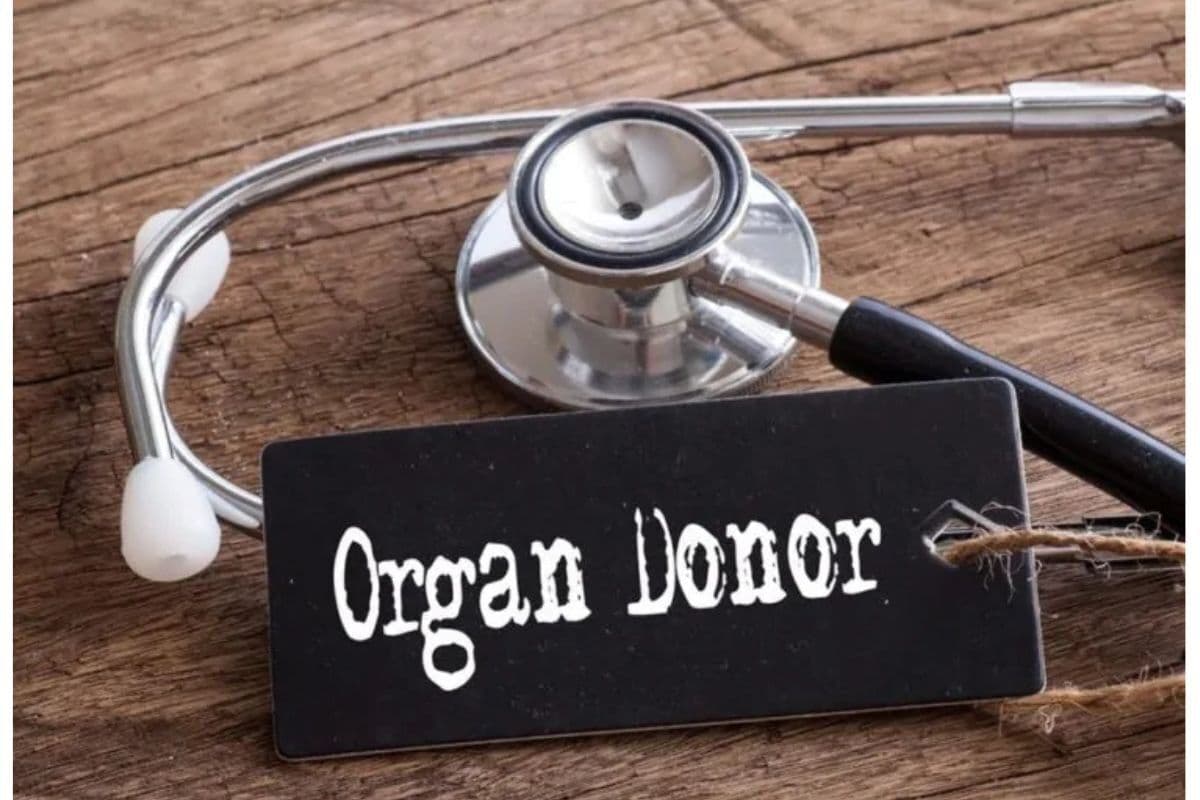
A stark reminder of the critical challenges facing the South African healthcare sector has emerged, with new data revealing that approximately 6 500 South Africans are currently on waiting lists for life-saving organ transplants. The figure, reported on 26 August 2026, highlights a severe and ongoing public health crisis across the nation. For these thousands of citizens, the wait for a compatible donor is quite literally a matter of life and death, underscoring the urgent need for increased awareness and action surrounding organ donation in South Africa.
The statistic of 6 500 individuals represents a diverse cross-section of South African society. Behind this number are mothers, fathers, children, and breadwinners across all nine provinces, from rural communities to major metropolitan hubs. Each person on the list represents a household impacted by chronic, end-stage organ failure. In a country already grappling with a high burden of disease, the lengthy transplant waiting list places an immense emotional and financial strain not only on the patients themselves but also on their families and the broader healthcare system.
While the baseline figure of 6 500 waiting patients has been established, several critical details regarding this cohort remain undisclosed in the initial report. For instance, the specific medical breakdown of which organs are in the highest demand—such as kidneys, hearts, livers, lungs, or corneas—has not been detailed. Additionally, it remains unclear how these patients are distributed between the public healthcare sector and private medical facilities, or which provinces carry the heaviest burden of patients awaiting transplants. Understanding these specific demographics is crucial for healthcare administrators to allocate resources effectively.
The term "life-saving" is key to understanding the gravity of the situation. For the majority of these 6 500 South Africans, alternative medical therapies have either been exhausted or offer only temporary relief. For example, patients suffering from end-stage kidney failure may rely on dialysis to survive, a treatment that is both physically grueling and highly costly. For those awaiting hearts, livers, or lungs, there are often no long-term mechanical substitutes, making a successful transplant their sole hope for survival.
The massive gap between the number of patients waiting and the number of available organs is a well-documented obstacle in the South African medical landscape. Organ transplantation is a highly complex process requiring rapid coordination, precise medical matching, and immediate access to specialized surgical teams. The low rate of organ donation in South Africa is often attributed to a lack of public awareness, cultural or religious misconceptions, and the difficult conversations families must have during moments of sudden tragedy.
For South Africans looking to understand how they can help address this crisis, the path forward involves education and open communication. In South Africa, even if an individual registers as an organ donor, the final decision ultimately rests with their next of kin at the time of death. Therefore, healthcare advocates consistently emphasize that registering is only the first step; the more crucial action is having an explicit conversation with family members about one's wishes regarding organ donation, ensuring there is no hesitation during a critical moment.
As the country confronts this figure of 6 500 waiting patients, observers and policy experts will be watching closely to see how the government and non-profit organizations respond. Key areas to monitor include whether the National Department of Health will launch new public awareness campaigns to encourage donation, or if there will be policy shifts aimed at streamlining the donor referral process in hospitals. Furthermore, medical researchers will continue to track whether technological advancements or changes in donor registration systems could help reduce the waiting times for those in need.
Ultimately, the figure of 6 500 South Africans waiting for transplants is not just a healthcare metric; it is a call to action for the entire nation. As medical professionals work tirelessly to facilitate transplants under challenging conditions, the power to save lives ultimately rests in the hands of everyday citizens. Increasing the donor pool remains the most effective way to offer hope to the thousands of South Africans currently waiting in limbo for a second chance at life.
Reporting record
How this story was produced
This article was AI-generated from the frozen trend evidence and passed deterministic quality and safety gates. No cross-provider evidence review or independent human verification is claimed for this record.
- Byline
- Newstrends AI Newsroom
- First published
- Last material update
- No later material update recorded
- Distinct source identifiers
- 1 retained source identifier
Frozen source links for this publication
Chronology
Story timeline
A generated chronology for orientation; dates and details may require source verification.
Update
Data is published revealing that 6 500 South Africans are waiting for life-saving organ transplants.
Reader file
Frequently asked questions
01How many South Africans are currently waiting for an organ transplant?
According to reports from August 2026, approximately 6 500 South Africans are currently on the waiting list for life-saving organ transplants.
02What organs are most needed for transplantation in South Africa?
The specific breakdown of which organs are in the highest demand was not detailed in the initial report, though kidneys, hearts, livers, and lungs are generally the most critical life-saving organs required.
03How does organ donation consent work in South Africa?
Even if an individual is registered as an organ donor, South African medical protocol requires the final consent of the next of kin at the time of death. Therefore, discussing donation wishes with family is essential.
Keep reading
Related coverage
More published reporting connected to this story.
SA alcohol consumption rises despite declining wealth, defying economic trends
A new report reveals a striking economic paradox as South Africans increase their alcohol consumption despite facing a decline in personal wealth. The trend highlights complex consumer trade-offs amid ongoing financial pressure across the country.
Free Private Healthcare for South African Pensioners? What We Know So Far About the Viral Reports
Viral reports have sparked widespread interest among South African pensioners seeking free private healthcare options. While details remain limited, the trend highlights the ongoing challenges elderly citizens face in accessing quality medical care.
BRICS Nations to Pool Medical Expertise in Push for Universal Health and Resilience
A recent report highlights a collaborative effort within the BRICS bloc to share medical expertise and build healthcare resilience. While specific details of the implementation remain unconfirmed, the initiative aims to support universal health coverage across member states.
Children as Young as Five Exposed to Skin-Lightening Products Linked to Cancer Risk
An alarming report has revealed that children as young as five are being exposed to dangerous skin-lightening products. The exposure has raised urgent health concerns due to the established links between these unregulated cosmetics and cancer risks.
Aadielah Maker Diedericks: South Africans Honour a Life Dedicated to Public Health and Advocacy
Reports from the Sunday Tribune highlight the legacy of Aadielah Maker Diedericks and her lifelong commitment to public health. The coverage has sparked widespread interest, highlighting the vital role of health advocacy in South Africa.