Free Private Healthcare for South African Pensioners? What We Know So Far About the Viral Reports
Viral reports have sparked widespread interest among South African pensioners seeking free private healthcare options. While details remain limited, the trend highlights the ongoing challenges elderly citizens face in accessing quality medical care.
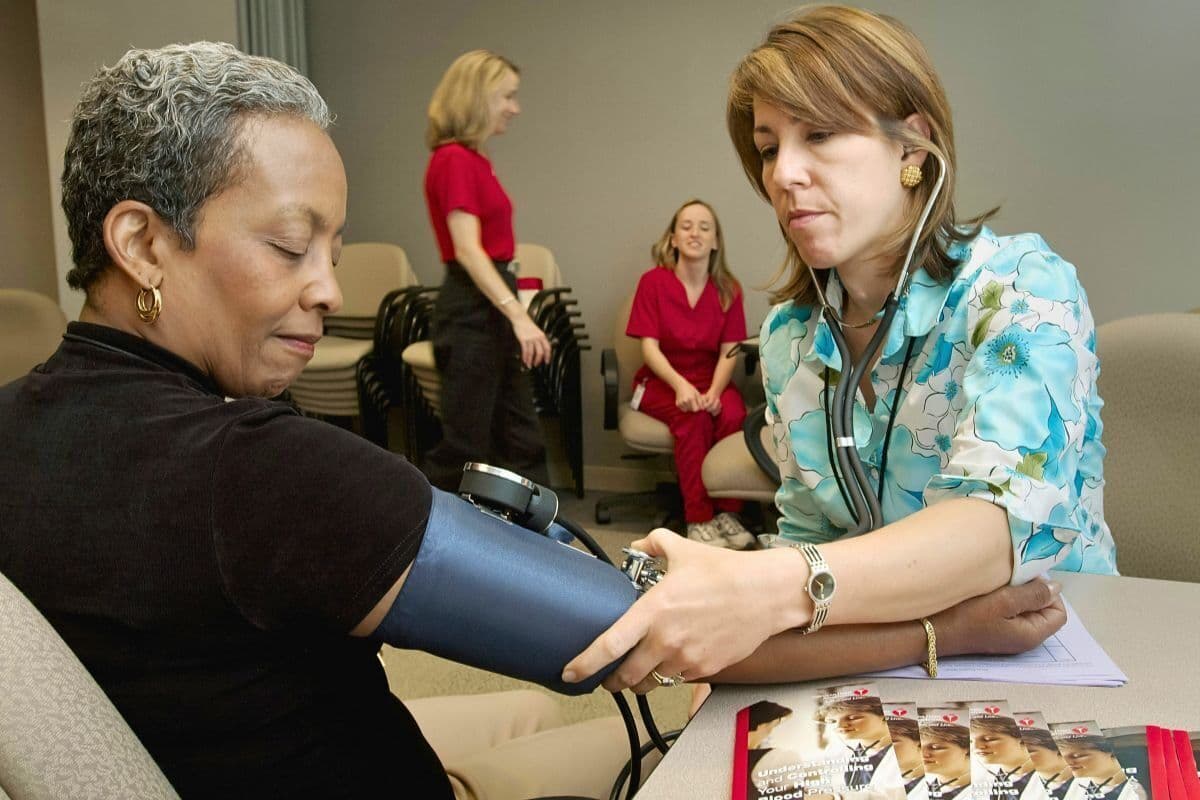
A viral news report has sparked widespread interest across South Africa, raising questions about where local pensioners can access private healthcare services at no cost. On 10 August 2026, reports emerged under the lifestyle and South African Social Security Agency (SASSA) categories highlighting this topic. For millions of elderly citizens who rely on state support or limited retirement funds, the prospect of bypassing long public hospital queues to receive private medical attention represents a significant development. However, as interest in the topic surges, many questions remain regarding the exact mechanics of these offerings.
The trend, which gained traction following publication by local outlet The South African, points to a growing public demand for affordable healthcare solutions for the elderly. While the initial report headline promises information on "where pensioners can get private healthcare for free," the specific terms, participating medical facilities, and geographic locations remain to be fully detailed. For South African seniors, understanding the fine print of such claims is crucial before making travel arrangements or altering their existing medical routines.
In South Africa, the divide between public and private healthcare is stark. The public healthcare system, while free or heavily subsidised for pensioners, is frequently overburdened, leading to long waiting times and shortages of specialised medication. Conversely, private healthcare offers world-class treatment but at premium rates that are far beyond the reach of the average state pensioner. The SASSA Older Persons Grant, which serves as the primary source of income for many elderly South Africans, is simply insufficient to cover private medical aid contributions or out-of-pocket private doctor fees.
Because the initial trend data links this development to SASSA-related lifestyle topics, it raises questions about whether any public-private partnerships are currently being piloted. Officially, SASSA is mandated to distribute social grants and does not run medical schemes or healthcare facilities. Therefore, any free private healthcare initiatives are likely to stem from non-governmental organisations (NGOs), private hospital groups running corporate social investment (CSI) programmes, or specific community-based clinics rather than a universal state-funded private healthcare benefit.
What remains unclear at this stage is the exact eligibility criteria for these free services. It is highly probable that any such programmes would have strict means tests, geographic limitations, or caps on the types of treatments offered. For instance, some private optometry or dental practices occasionally run free clinics for the elderly, but these are rarely permanent or comprehensive. Pensioners and their caregivers are advised to seek direct confirmation from the cited medical facilities before assuming that comprehensive private hospital care is available for free.
The high search volume and viral nature of this topic underscore a deeper systemic issue in South Africa: the urgent need for universal healthcare access. Discussions around the National Health Insurance (NHI) have highlighted the government's intention to bridge the gap between the public and private sectors, but the practical implementation of such a system remains a long-term goal. In the interim, smaller-scale private initiatives or localised free clinics remain the only realistic avenue for pensioners seeking private-grade care without financial ruin.
As the public seeks more concrete details, experts urge elderly citizens to remain vigilant against potential scams. Scammers frequently exploit viral news about "free" services or SASSA benefits to harvest personal information or bank details from vulnerable pensioners. Official channels, including the National Department of Health and registered healthcare practitioners, remain the safest sources for verifying any medical schemes or free healthcare drives.
In conclusion, while the headline of free private healthcare brings hope to many South African pensioners, the lack of extensive public documentation means that citizens must proceed with cautious optimism. Further updates are expected as more details emerge regarding which specific private providers are participating and what exact services are covered. For now, South Africa’s elderly population must rely on verified local clinic networks and official departmental announcements to navigate their healthcare options safely.
Reporting record
How this story was produced
This article was AI-generated from the frozen trend evidence and passed deterministic quality and safety gates. No cross-provider evidence review or independent human verification is claimed for this record.
- Byline
- Newstrends AI Newsroom
- First published
- Last material update
- No later material update recorded
- Distinct source identifiers
- 1 retained source identifier
Frozen source links for this publication
Chronology
Story timeline
A generated chronology for orientation; dates and details may require source verification.
Update
Reports emerge online regarding free private healthcare options for South African pensioners, sparking high public interest.
Reader file
Frequently asked questions
01Can South African pensioners get private healthcare for free?
While recent reports have highlighted free private healthcare options for pensioners, specific details regarding participating clinics, eligibility criteria, and locations remain unconfirmed.
02Is SASSA providing free private medical aid to pensioners?
No. SASSA distributes social grants, including the Older Persons Grant, but does not currently administer private medical aid or healthcare services.
03Where can I find verified information about these healthcare services?
Pensioners are advised to contact the National Department of Health, local clinics, or verified healthcare providers directly to avoid potential scams.
Keep reading
Related coverage
More published reporting connected to this story.

South African Pensioners Push to Reverse SASSA Payment Dates to Pre-COVID Schedule
Elderly social grant beneficiaries in South Africa are calling for a return to the payment schedules used before the COVID-19 pandemic. Pensioners argue that reversing the staggered payment system will restore financial predictability and ease logistical challenges.

‘R5000 a Month and a Food Voucher’: South African Pensioners Define the Cost of Survival
A report from The South African reveals that pensioners have set a clear baseline for survival, demanding R5,000 monthly and a food voucher. This dual-demand highlights the growing gap between current social support and the rising cost of living.
‘Deserve to Live Stress-Free’: South African Pensioners Demand Rent Relief Beyond SASSA Grant Increases
South African pensioners are calling for structural relief regarding rental costs, arguing that simple grant increases are no longer enough to ensure a dignified retirement. The demand highlights the growing gap between fixed social grants and rising accommodation expenses. Key details on how the government might respond or which specific advocacy groups are leading the charge remain to be seen.
'We Worked So Hard': South African Pensioners Say SASSA Grants Fail to Reflect a Lifetime of Labour
Elderly South Africans are calling for a reassessment of state support, arguing that current SASSA pension grants do not reflect their decades of hard work. The growing outcry highlights the economic pressures facing pensioners as they struggle to maintain a dignified retirement.
‘We Should Be Getting R10 000’: SA Pensioners Compare Local Grants to Other Countries
A viral discussion has emerged among South African pensioners comparing local state support to international retirement systems. Retirees argue that a monthly pension of R10,000 is necessary to secure a dignified living standard.