South Africans are preparing for a dual-weather system as reports confirm that both morning frost and rain are expected across various parts of the country. According to meteorological alerts captured on 25 July 2026, residents in affected regions will need to brace for icy mornings and wet conditions as mid-winter conditions make their presence felt.
The weather update, initially published by local news source The South African, highlights a classic winter pattern. While the specific provinces and municipalities set to receive the brunt of the frost and rain were not fully detailed in the initial alert, the combination of these two weather phenomena typically points to a stark contrast between South Africa's interior and coastal regions during the coldest months of the year.
Historically, July represents the heart of the South African winter, a period characterized by sharp drops in overnight temperatures. In the high-altitude interior regions, such as Gauteng, the Free State, Mpumalanga, and parts of the Eastern and Northern Cape, morning frost is a frequent occurrence. These areas often experience clear, windless nights that allow heat to escape rapidly into the atmosphere, leading to ground-level freezing by dawn.
Conversely, winter rainfall in South Africa is traditionally associated with the southwestern parts of the country, most notably the Western Cape. This region operates under a winter-rainfall climate, driven by cold fronts moving in from the Atlantic Ocean. When these cold fronts sweep across the land, they bring much-needed rain to coastal areas while simultaneously driving down temperatures across the adjacent interior, sometimes resulting in the very frost reported in other provinces.
Because the initial weather report on 25 July 2026 did not specify the exact boundaries of the rain and frost zones, local residents are advised to monitor localized forecasts from the South African Weather Service (SAWS). It remains unclear which specific mountain passes might experience hazardous driving conditions due to black ice, or if the expected rain will extend beyond the traditional winter-rainfall zones into the summer-rainfall regions of the east coast.
For South Africans navigating these conditions, the practical implications are significant. Morning frost presents immediate challenges for motorists, who must contend with icy windscreens and potentially slippery road surfaces during the early morning commute. Agricultural sectors also remain on high alert, as frost can severely impact sensitive crops and livestock if protective measures are not implemented in time.
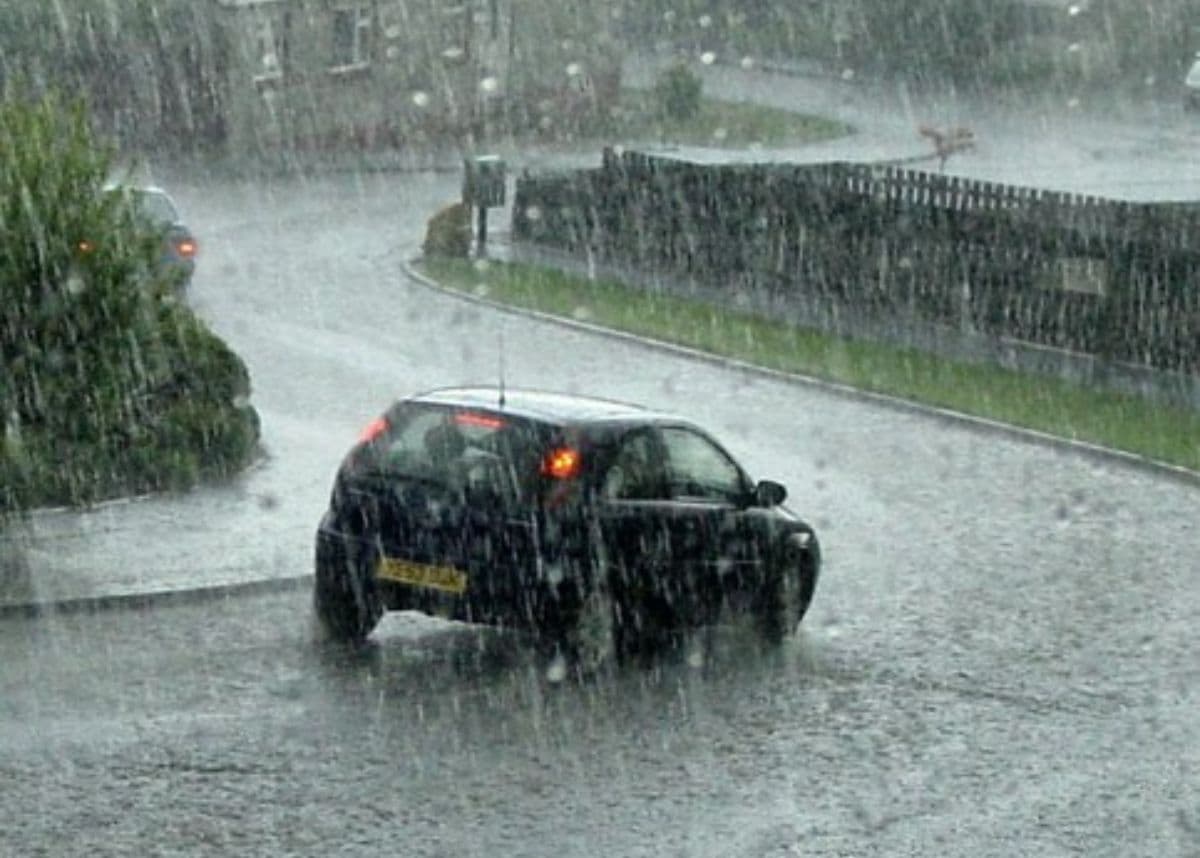
In areas expecting rain, the combination of wet roads and reduced visibility requires extra caution from drivers. South African road safety agencies consistently urge motorists to increase their following distances, turn on their headlights, and reduce their speed during wet weather. Additionally, households in informal settlements and vulnerable communities often face increased risks during cold and wet spells, highlighting the ongoing need for adequate heating safety and shelter maintenance.
As the winter season progresses through late July, weather patterns remain highly dynamic. Residents across South Africa are encouraged to keep a close eye on daily meteorological updates. Whether preparing for a freezing morning commute in the interior or carrying an umbrella along the coast, staying informed is the best way to navigate the diverse and challenging winter weather typical of the region.