South Africa Braces for Severe Weather: Bitter Cold, Storms, Flooding and Hail Forecast
South Africans are warned to prepare for a severe weather system bringing bitter cold and powerful storms. The alert forecasts localized flooding and destructive hail, posing significant risks to infrastructure and safety.
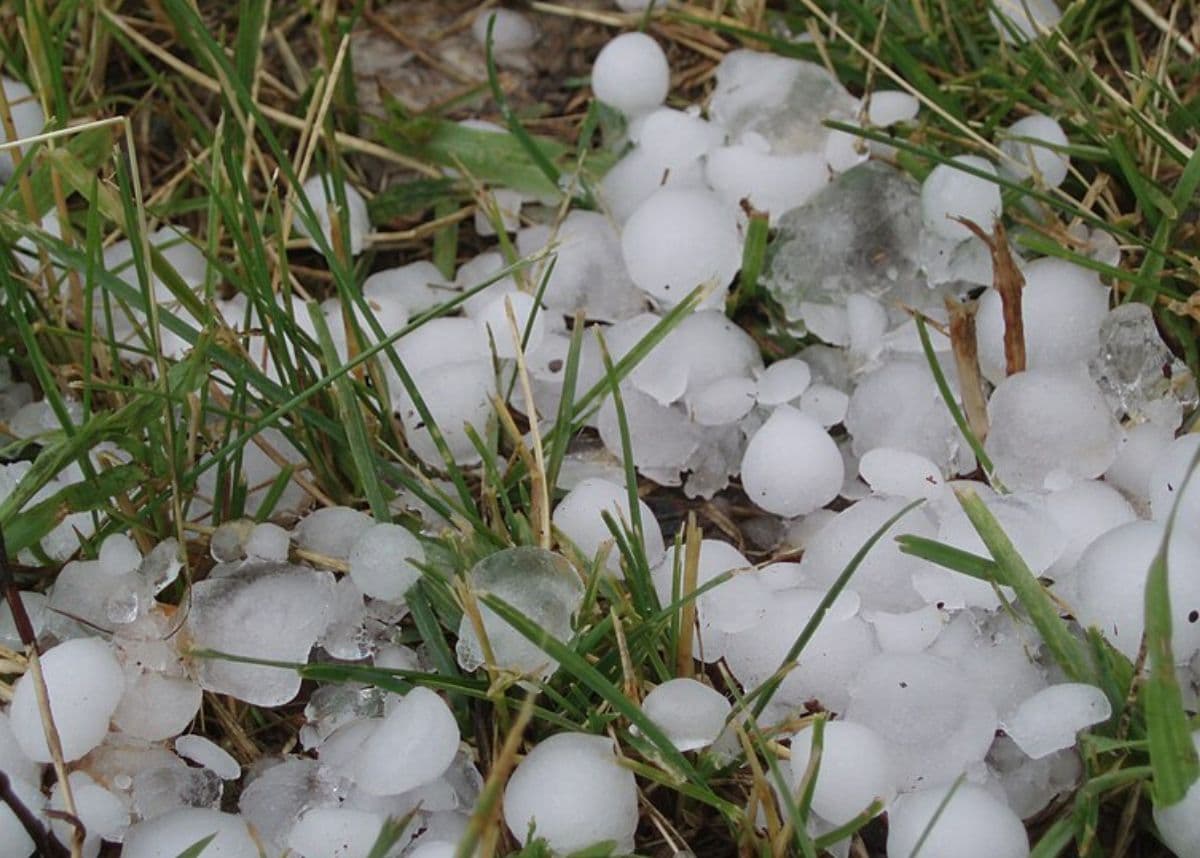
South Africans are bracing themselves for a significant disruption in weather patterns as reports emerge of an impending severe weather system. According to initial reports published by The South African on 5 September 2026, the country is facing a combination of bitter cold temperatures and powerful storms. The incoming system is expected to bring hazardous conditions, including localized flooding and destructive hail, posing a threat to infrastructure, agriculture, and daily commutes.
At this stage, the primary details confirmed by the initial weather alerts highlight the severity of the dual threats: extreme cold on one hand, and violent convective storms on the other. While the exact geographical trajectory of the storm system and the specific provinces most at risk have not been fully detailed in the preliminary reports, the warning serves as a broad alert for South African communities to prepare for sudden and severe atmospheric changes.
Flooding remains one of the most critical hazards associated with powerful storm systems in South Africa. Rapidly accumulating rainfall can overwhelm municipal drainage systems, particularly in highly urbanised areas or informal settlements where infrastructure may be vulnerable. Motorists are urged to exercise extreme caution, as road surfaces can quickly become waterlogged, leading to dangerous driving conditions, reduced visibility, and the risk of aquaplaning.
Alongside the threat of flooding, the forecast of hail introduces a high risk of property and vehicle damage. Hailstorms in South Africa have historically caused millions of rands in damages to vehicles, residential roofs, and agricultural crops. For farmers, a sudden hailstorm during critical growing periods can devastate seasonal yields, making early warnings crucial for implementing protective measures where possible.
The accompanying bitter cold presents its own set of challenges, particularly for vulnerable populations. In South Africa, rapid drops in temperature place a heavy demand on the national electricity grid as households turn to heating appliances. Furthermore, those living in informal settlements or without adequate shelter face severe health risks during sudden cold snaps. Livestock farmers are also advised to monitor their animals, as extreme cold combined with wet conditions can lead to hypothermia in herds.
While the warning for bitter cold, storms, flooding, and hail is clear, several specifics remain unconfirmed in the initial reports. The precise timing of the storm's onset, the expected duration of the cold snap, and the exact millimetres of rainfall anticipated have not been detailed. Additionally, it remains unclear which specific municipalities or provinces will bear the brunt of the weather system, meaning residents nationwide should remain vigilant.
In light of these warnings, disaster management officials generally recommend that residents take proactive steps to secure their homes. Clearing gutters of debris, securing loose outdoor items that could be swept away by strong winds, and ensuring that emergency kits are stocked are standard precautionary measures. Drivers are advised to avoid crossing low-lying bridges or flooded roads, as even shallow-looking moving water can sweep a vehicle away.
As the weather system develops, South Africans are advised to keep a close eye on local meteorological updates and official alerts. Standard practice during such severe weather warnings involves monitoring updates from regional disaster management centres and local news outlets. Staying informed will be vital as more precise regional forecasts and potential emergency protocols are released in the coming days.
Reporting record
How this story was produced
This article was AI-generated from the frozen trend evidence and passed deterministic quality and safety gates. No cross-provider evidence review or independent human verification is claimed for this record.
- Byline
- Newstrends AI Newsroom
- First published
- Last material update
- No later material update recorded
- Distinct source identifiers
- 1 retained source identifier
Frozen source links for this publication
Chronology
Story timeline
A generated chronology for orientation; dates and details may require source verification.
Update
Initial severe weather warnings of bitter cold, powerful storms, flooding, and hail are reported by The South African.
Reader file
Frequently asked questions
01What severe weather conditions are expected in South Africa?
According to reports, South Africa is expecting a severe weather system characterised by bitter cold, powerful storms, localized flooding, and hail.
02Which areas in South Africa will be worst affected?
The initial reports do not specify the exact provinces or municipalities that will be hardest hit. Residents across the country are advised to stay updated as local forecasts develop.
03What are the main risks associated with this weather alert?
The primary risks include localized flooding, damage to property and vehicles from hail, and health and infrastructure challenges brought on by the bitter cold.
Keep reading
Related coverage
More published reporting connected to this story.

Orange Level 6 Warning Issued as Severe Storms Threaten Parts of South Africa
An Orange Level 6 weather warning has been issued for severe storms threatening parts of South Africa. Residents are urged to remain vigilant as the high-level alert indicates a significant risk of localized damage and disruptions.

Severe Weather Warning: Heavy Snow, Flooding Rain and Damaging Winds Set to Disrupt Parts of South Africa
A severe winter weather system is expected to batter parts of South Africa on Tuesday, 11 August 2026. Forecasters warn of heavy snow, flooding rains, and damaging winds that could cause widespread disruptions across several provinces.
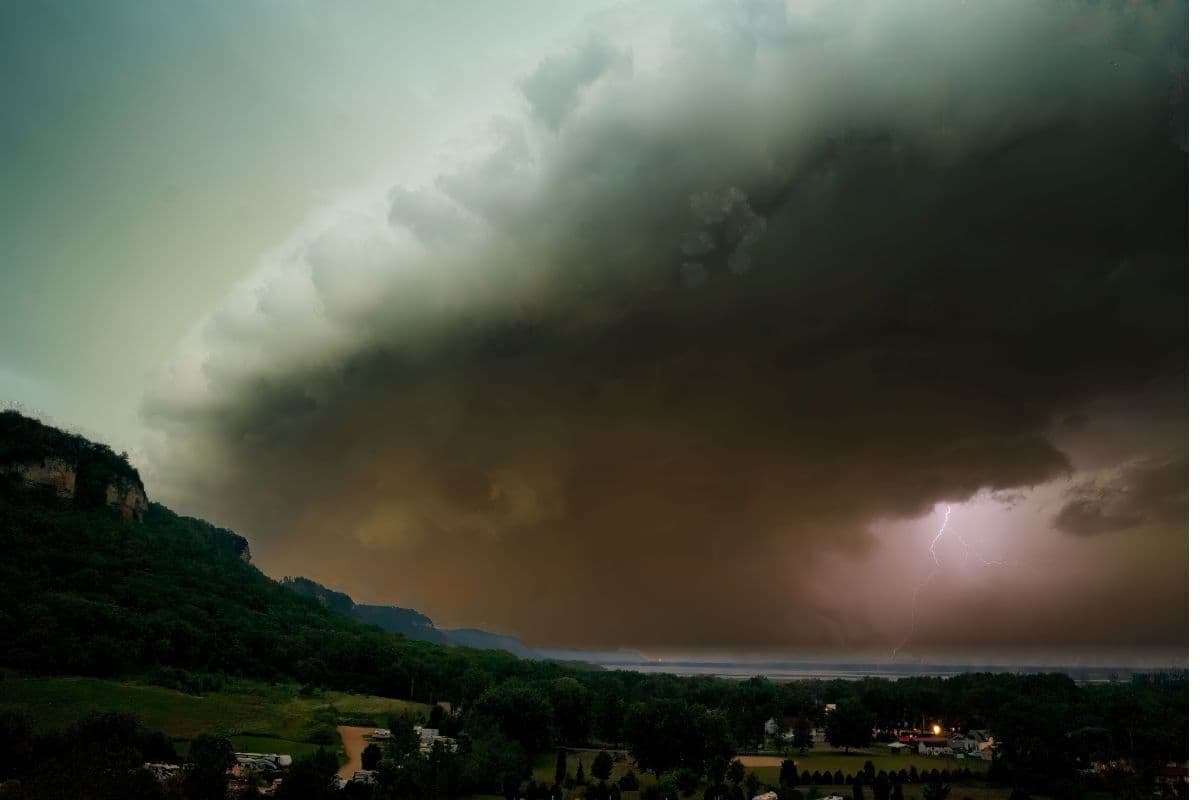
Free State and North West on Alert as Severe Storm Warnings Emerge
Residents across the Free State and North West provinces are bracing for severe storms following early weather alerts. While specific meteorological details remain unconfirmed, local communities are urged to prepare for potential disruptions.
Weather Alert: Damaging Winds Forecast for South Africa as Most Provinces Stay Warm and Partly Cloudy
A national weather outlook for 26 August 2026 warns of damaging winds across South Africa, despite most provinces expecting warm and partly cloudy conditions. Residents are urged to secure property and exercise caution on the roads.
Weather Alert: Damaging Winds Forecast for Northern Cape as Frost Threatens Gauteng and Free State
South Africans face highly contrasting weather conditions on Friday, 14 August 2026. A weather alert warns of damaging winds in the Northern Cape and frost in Gauteng and the Free State, while the Eastern Cape enjoys fine and warm conditions.