Severe Weather Warning: Heavy Snow, Flooding Rain and Damaging Winds Set to Disrupt Parts of South Africa
A severe winter weather system is expected to batter parts of South Africa on Tuesday, 11 August 2026. Forecasters warn of heavy snow, flooding rains, and damaging winds that could cause widespread disruptions across several provinces.
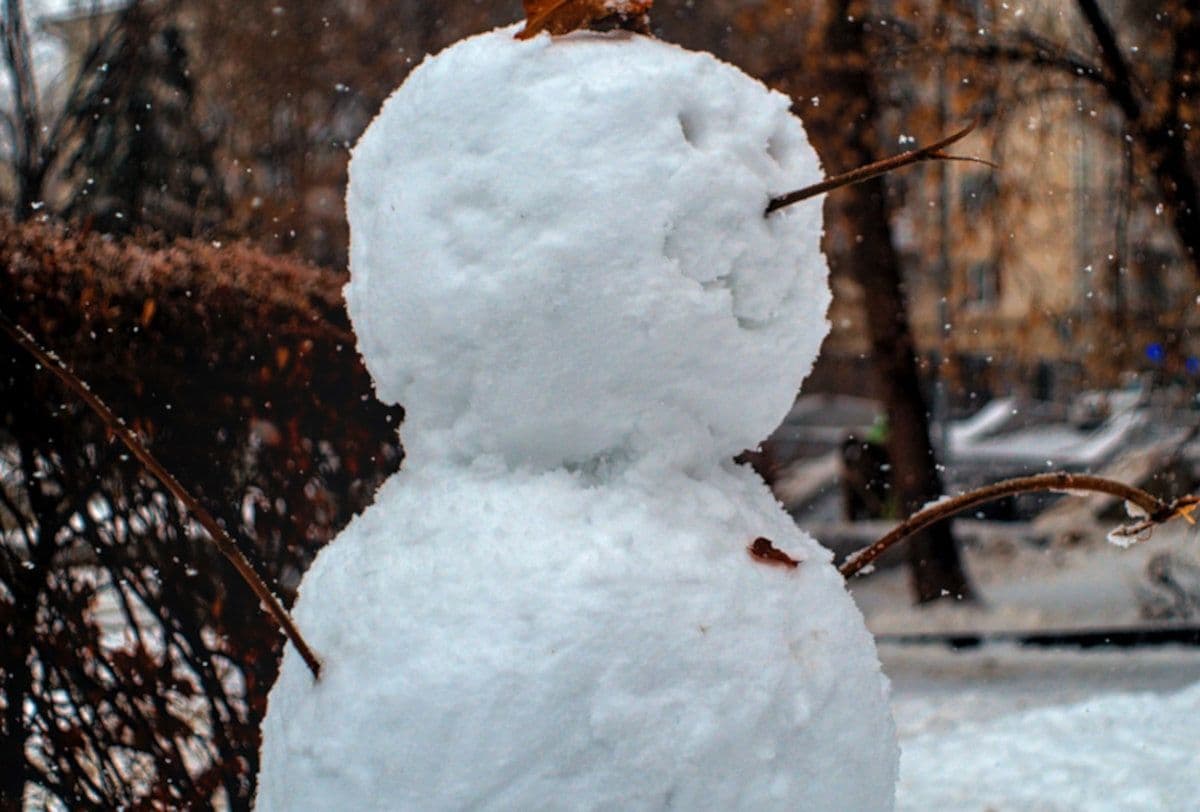
Severe winter weather is threatening to disrupt several parts of South Africa, with forecasts warning of heavy snow, flooding rains, and damaging winds. The severe weather system, which gained traction on Monday, 10 August 2026, is expected to batter various provinces on Tuesday, 11 August 2026. Local weather reports indicate that these extreme conditions pose a significant threat to infrastructure, travel, and daily activities across the affected regions.
According to reports from national news outlets, including The South African and Independent Online (IOL), the incoming weather system brings a trifecta of environmental hazards. The combination of heavy snowfall in high-lying areas, torrential rains capable of causing localized flooding, and strong, damaging winds presents a multi-hazard scenario. While specific provinces and municipalities must remain on high alert, the broader warning covers multiple parts of South Africa where these conditions are expected to peak.
The threat of heavy snow is particularly notable, as it can quickly lead to dangerous road conditions and isolate remote communities. In South Africa, heavy snowfall often affects mountain passes and high-altitude areas, creating hazardous driving conditions for motorists. While the exact depth of the snow accumulation remains to be fully detailed by regional meteorologists, the warning of heavy snow suggests that significant disruptions to transport networks are highly likely.
Alongside the snow, flooding rain is anticipated to impact several areas. Flooding in South African urban and rural settlements often leads to severe disruptions, damaging informal dwellings, blocking drainage systems, and making roads impassable. The warning of flooding rain indicates that precipitation levels will be high enough to overwhelm local infrastructure, requiring residents in low-lying areas to take necessary precautions to safeguard their properties and lives.
Compounding the rain and snow are damaging winds, which are forecasted to batter parts of the country. High winds pose a severe threat to structural integrity, particularly for temporary structures, roofs, and power lines. In addition to property damage, strong winds can uproot trees, create dangerous flying debris, and lead to widespread power outages, further complicating emergency response efforts in areas already dealing with wet and freezing conditions.
The timing of this severe weather system in mid-August highlights the volatile nature of South Africa's late winter season. Disruptions of this scale require coordinated disaster management responses and high public awareness. Residents in the affected provinces are urged to monitor local weather updates closely and avoid unnecessary travel, especially through mountainous passes or areas prone to flash flooding.
As the weather system moves across the country, the full extent of the damage and disruption remains to be seen. While the immediate threat is concentrated on Tuesday, 11 August 2026, the aftermath of heavy snow and flooding rains can persist for days, affecting agricultural activities, municipal services, and transport logistics. Emergency services are expected to remain on high alert to respond to incidents as they arise.
With severe weather actively battering parts of South Africa, staying informed through verified meteorological updates is crucial. Whether dealing with the freezing impact of heavy snow, the immediate dangers of flooding rain, or the destructive force of damaging winds, preparedness is key to mitigating the risks associated with this significant winter storm.
Reporting record
How this story was produced
This article was AI-generated from the frozen trend evidence and passed deterministic quality and safety gates. No cross-provider evidence review or independent human verification is claimed for this record.
- Byline
- Newstrends AI Newsroom
- First published
- Last material update
- No later material update recorded
- Distinct source identifiers
- 1 retained source identifier
Chronology
Story timeline
A generated chronology for orientation; dates and details may require source verification.
Update
Initial weather alerts warn of rain and snow threatening to disrupt parts of South Africa.
Update
Severe weather system peaks, bringing heavy snow, flooding rain, and damaging winds to batter various provinces.
Reader file
Frequently asked questions
01What severe weather is expected in South Africa?
Parts of South Africa are facing heavy snow, flooding rain, and damaging winds, which threaten to disrupt daily activities and transport.
02When is this severe weather system expected to hit?
The severe weather conditions are forecast to batter parts of the country on Tuesday, 11 August 2026, following initial warnings on 10 August.
03Which areas in South Africa will be affected?
According to the trend data, the weather system threatens to disrupt parts of South Africa and various provinces, though specific regional breakdowns have not been detailed in the initial reports.
Keep reading
Related coverage
More published reporting connected to this story.
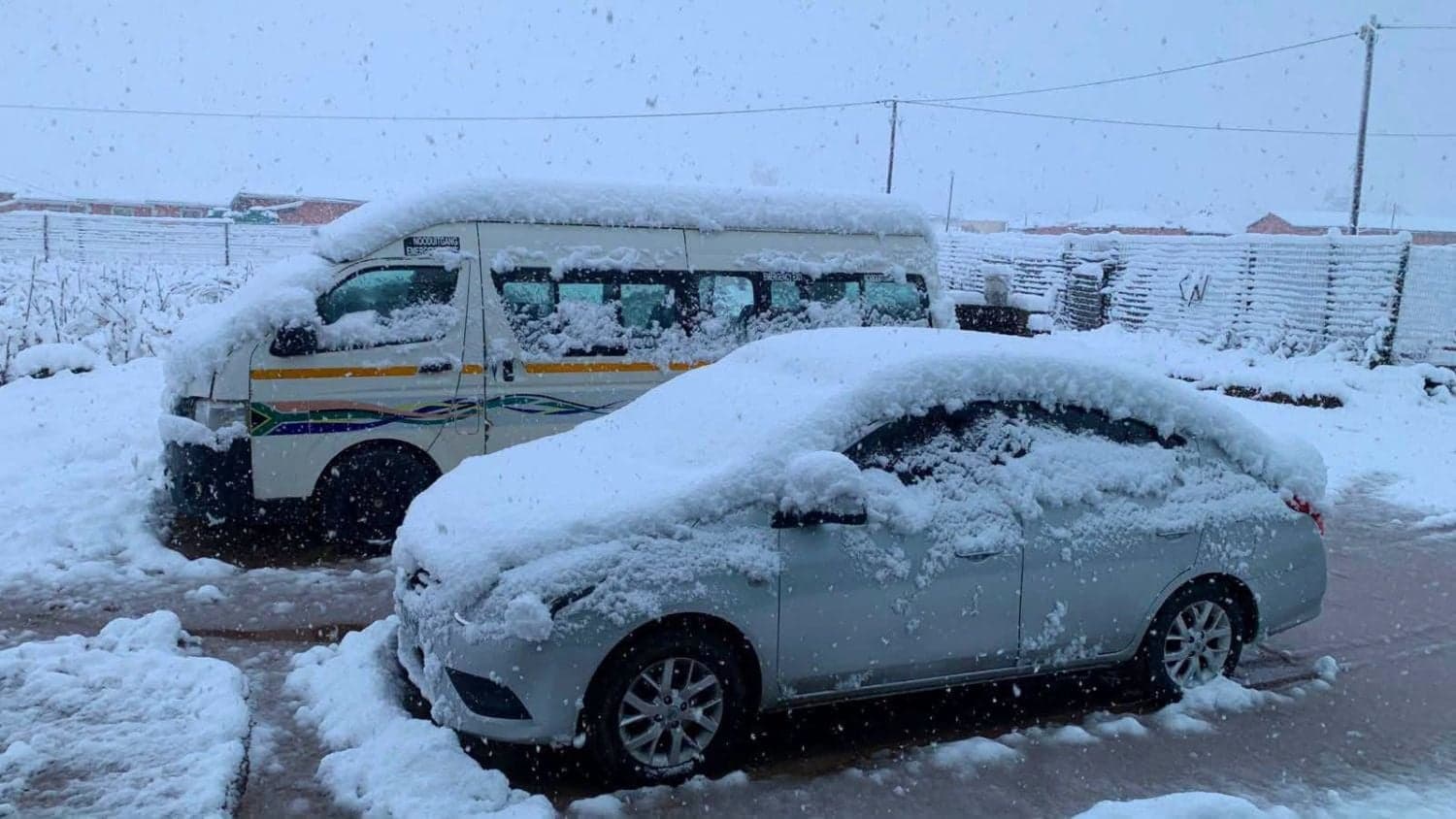
Heavy snow to continue falling across Eastern Cape on Tuesday as wintry weather grips region
Forecasters warn of continued heavy snowfall across the Eastern Cape on Tuesday, following significant winter weather activity along the Lesotho border. Residents and travellers are urged to exercise caution as high-lying areas brace for further disruptions.
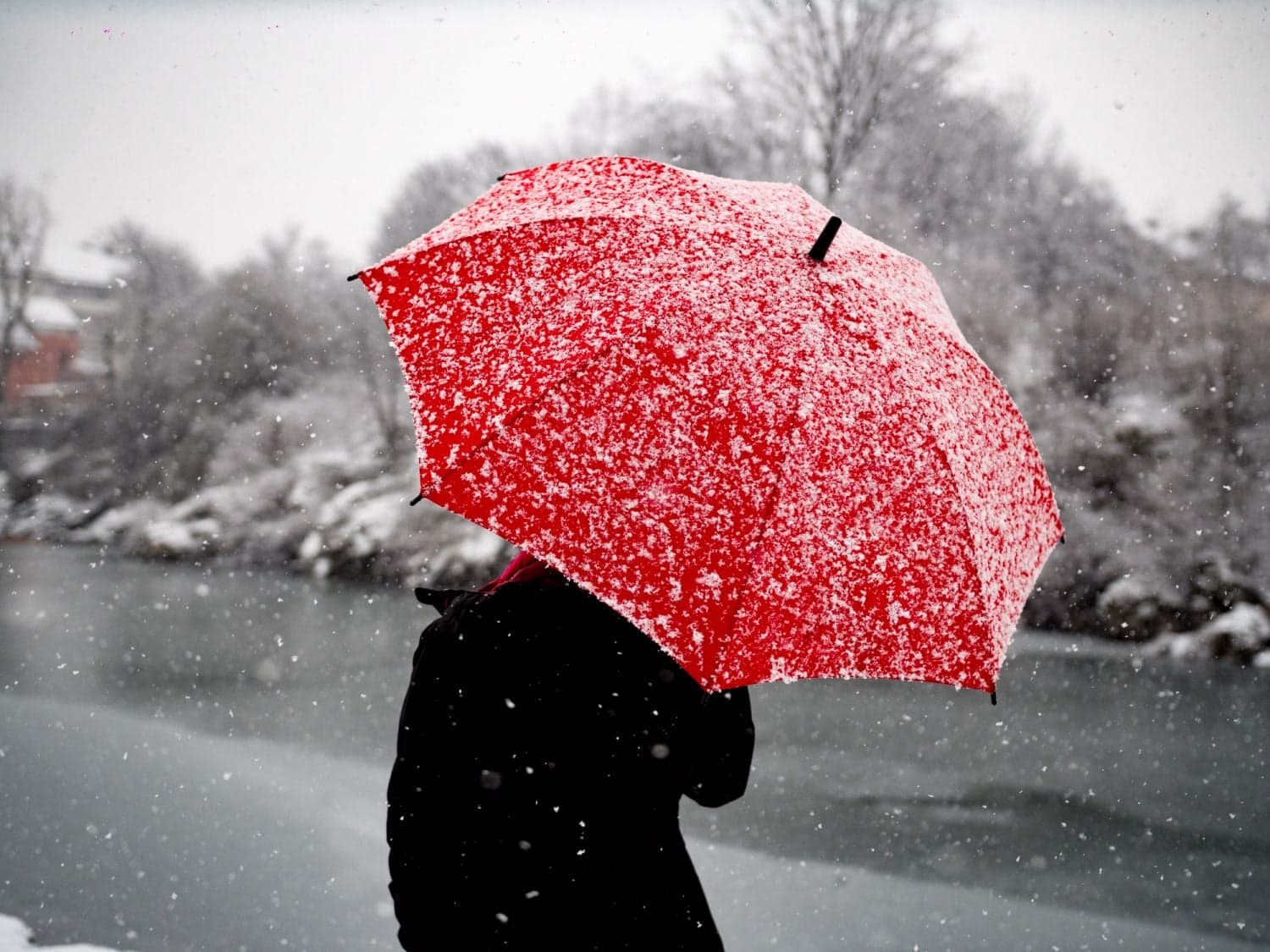
Light Snowfall Forecast for Parts of South Africa on Monday, 10 August 2026
A weather forecast has revealed that light snowfall is expected in parts of South Africa on Monday, 10 August 2026. Coming during a long public holiday weekend, the cold system could impact travel and local temperatures across the country.

Severe Cold, Rain and Snow Warned for One South African Province This Weekend
A major weather system is set to bring severe cold, rain, and snow to one South African province this weekend. The warning, issued on 7 August 2026, highlights the need for urgent preparation as late-winter conditions intensify.
South Africa Braced for Snowfall and 'Very Cold' Weather as Winter Snap Hits
A major weather update warns of expected snowfall and extremely cold temperatures across South Africa starting the week of 27 July 2026. While specific regional details remain to be confirmed, residents and farmers are urged to prepare for winter hazards.
South Africa Braces for Disruptive Snow and Rain as Severe Weekend Weather Approaches
South Africans are warned to prepare for a weekend of severe weather, with disruptive snow and heavy rain forecast to hit the country. The upcoming weather system is expected to cause travel delays and localized disruptions across several regions.