Heavy snow to continue falling across Eastern Cape on Tuesday as wintry weather grips region
Forecasters warn of continued heavy snowfall across the Eastern Cape on Tuesday, following significant winter weather activity along the Lesotho border. Residents and travellers are urged to exercise caution as high-lying areas brace for further disruptions.
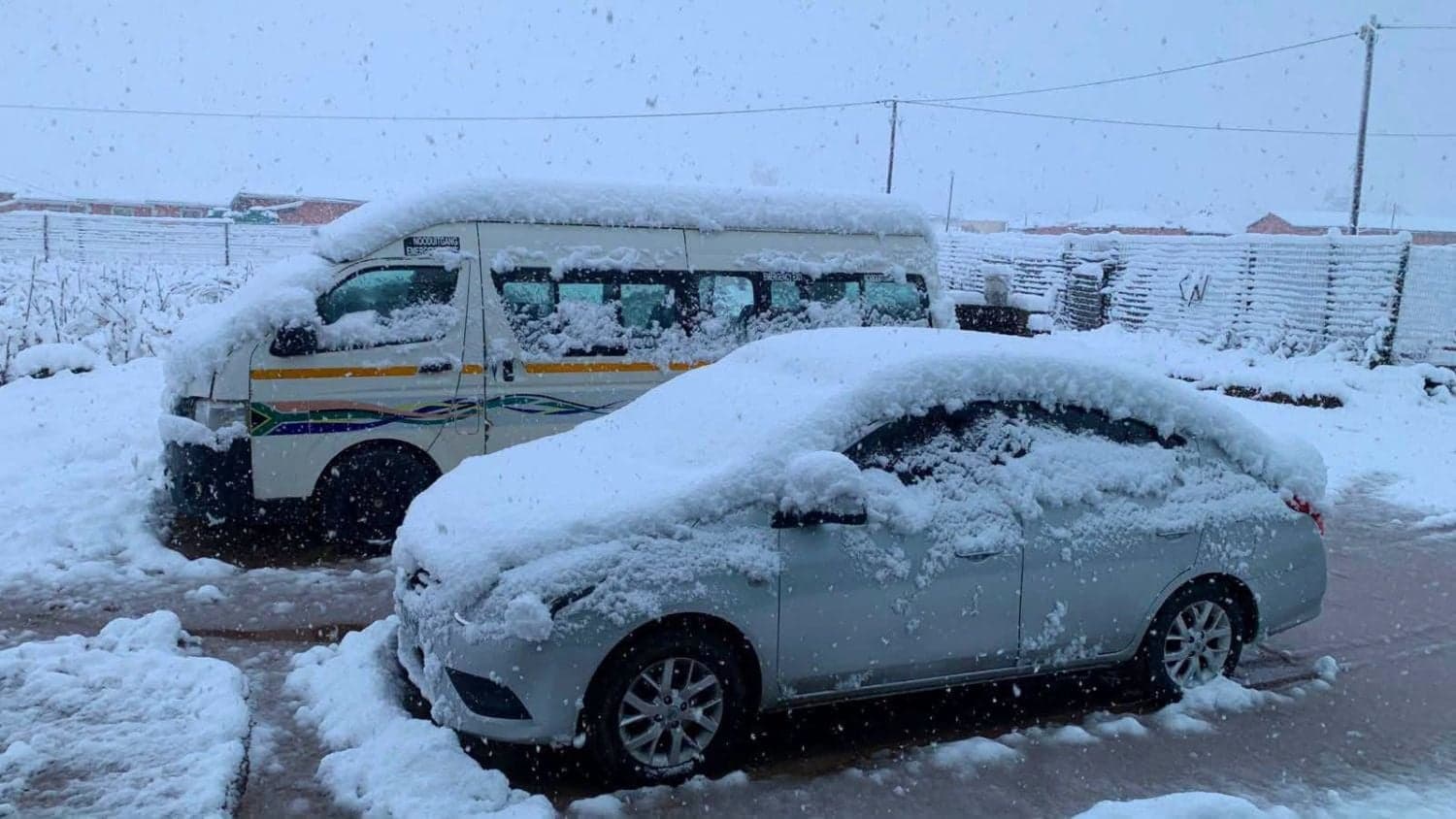
Eastern Cape residents and travellers are bracing for a continuation of severe winter weather, as heavy snow is projected to keep falling across various parts of the province on Tuesday, 11 August 2026. This warning follows initial reports captured on Monday afternoon, 10 August 2026, which flagged a significant weather system moving through the region. The cold snap has already begun transforming high-lying areas, bringing freezing temperatures and substantial snowfall to the province's mountainous terrain.
According to preliminary reports and photographic evidence from the region, the snowfall has heavily impacted areas near the Lesotho border. Images from the border zone show a thick blanket of snow, indicating that the weather system is highly active along the high-altitude escarpment. This border region is traditionally one of the first to experience extreme winter conditions when cold fronts sweep across the subcontinent from the southern oceans, often spilling over into the neighbouring Eastern Cape districts.
While the broad expectation of heavy snow on Tuesday has been confirmed, several specific details regarding the regional breakdown remain unclear. The initial alerts have not yet provided exact snowfall measurements in centimetres, nor have they listed every specific town or municipality expected to receive the highest volume of snow. Additionally, formal details concerning which mountain passes have been closed or remain open are still emerging. Residents are advised to monitor local radio stations and municipal notices for real-time updates on localised conditions.
The significance of heavy snow in the Eastern Cape cannot be understated, as the province features some of South Africa's highest and most vulnerable mountain passes. In typical winter weather events of this nature, routes such as the Barkly Pass, Lootsberg Pass, and Penhoek Pass become highly hazardous or entirely impassable due to ice and snow accumulation. Although official road closure announcements for this specific Tuesday event have not been detailed in the early reports, travellers are strongly urged to reconsider non-essential travel through these high-risk areas until conditions improve.
Beyond travel disruptions, the continuation of heavy snowfall carries practical implications for local communities, particularly agricultural sectors and rural settlements. Farmers in the high-lying areas of the Eastern Cape often face severe challenges during such cold snaps, as livestock must be moved to sheltered areas to protect them from hypothermia. For residents in informal or poorly insulated dwellings, the drop in temperature poses a direct threat to health and safety, highlighting the urgent need for adequate heating and shelter resources.
As the weather system progresses through Tuesday, the primary focus for disaster management teams will be ensuring public safety and maintaining critical infrastructure. Power outages are a common secondary effect of heavy snow and freezing temperatures, as ice accumulation can damage power lines and disrupt local grids. While there are currently no confirmed reports of widespread infrastructure failure linked to this specific system, municipal services in the affected Eastern Cape regions are likely to be on high alert.
What remains to be seen in the coming hours is the precise path and duration of the cold front. Observers and residents should keep a close eye on official advisories from the South African Weather Service (SAWS) and provincial transport departments. These bodies are expected to release updated regional forecasts and safety directives as the situation unfolds on Tuesday. Until then, the visual evidence of heavy snow at the Lesotho border serves as a clear warning of the severe conditions currently gripping the region.
In conclusion, the Eastern Cape is facing a challenging Tuesday with heavy snow set to continue. While the full extent of the regional impact and specific municipal disruptions are still being assessed, the immediate priority for anyone in or travelling to the affected areas must be safety. Staying informed through verified local news channels and adhering to official travel advisories will be crucial as South Africa navigates this latest winter weather event.
Reporting record
How this story was produced
This article was AI-generated from the frozen trend evidence and passed deterministic quality and safety gates. No cross-provider evidence review or independent human verification is claimed for this record.
- Byline
- Newstrends AI Newsroom
- First published
- Last material update
- No later material update recorded
- Distinct source identifiers
- 1 retained source identifier
Frozen source links for this publication
Chronology
Story timeline
A generated chronology for orientation; dates and details may require source verification.
Update
Initial reports and visual evidence of heavy snow along the Lesotho border are captured, signalling severe winter weather.
Update
Heavy snow is forecast to continue falling across the high-lying regions of the Eastern Cape.
Reader file
Frequently asked questions
01Where is the heavy snow currently falling?
Heavy snow has been reported in the Eastern Cape, with significant accumulation visible in high-lying areas and along the Lesotho border.
02When is the snowfall expected to continue?
According to weather updates, the heavy snowfall is projected to continue through Tuesday, 11 August 2026.
03Are there any confirmed road closures?
Specific road closures and pass statuses have not been detailed in the initial reports. Travellers are advised to check with local traffic authorities before departing.
Keep reading
Related coverage
More published reporting connected to this story.

Light Snowfall Forecast for Parts of South Africa on Monday, 10 August 2026
A weather forecast has revealed that light snowfall is expected in parts of South Africa on Monday, 10 August 2026. Coming during a long public holiday weekend, the cold system could impact travel and local temperatures across the country.

Severe Cold, Rain and Snow Warned for One South African Province This Weekend
A major weather system is set to bring severe cold, rain, and snow to one South African province this weekend. The warning, issued on 7 August 2026, highlights the need for urgent preparation as late-winter conditions intensify.
South Africa Braced for Snowfall and 'Very Cold' Weather as Winter Snap Hits
A major weather update warns of expected snowfall and extremely cold temperatures across South Africa starting the week of 27 July 2026. While specific regional details remain to be confirmed, residents and farmers are urged to prepare for winter hazards.

Weather alert: Fire danger warning issued for Eastern Cape, fine conditions elsewhere
A weather alert for 23 July 2026 warns of high fire danger in the Eastern Cape, while the rest of South Africa expects fine weather. Residents in the affected province are urged to exercise caution.

Cold Weather Expected Across South Africa on Women’s Day
South Africans are advised to bundle up this Women's Day as cold weather is expected across the country on 9 August 2026. The widespread drop in temperature may impact outdoor celebrations and public holiday events.