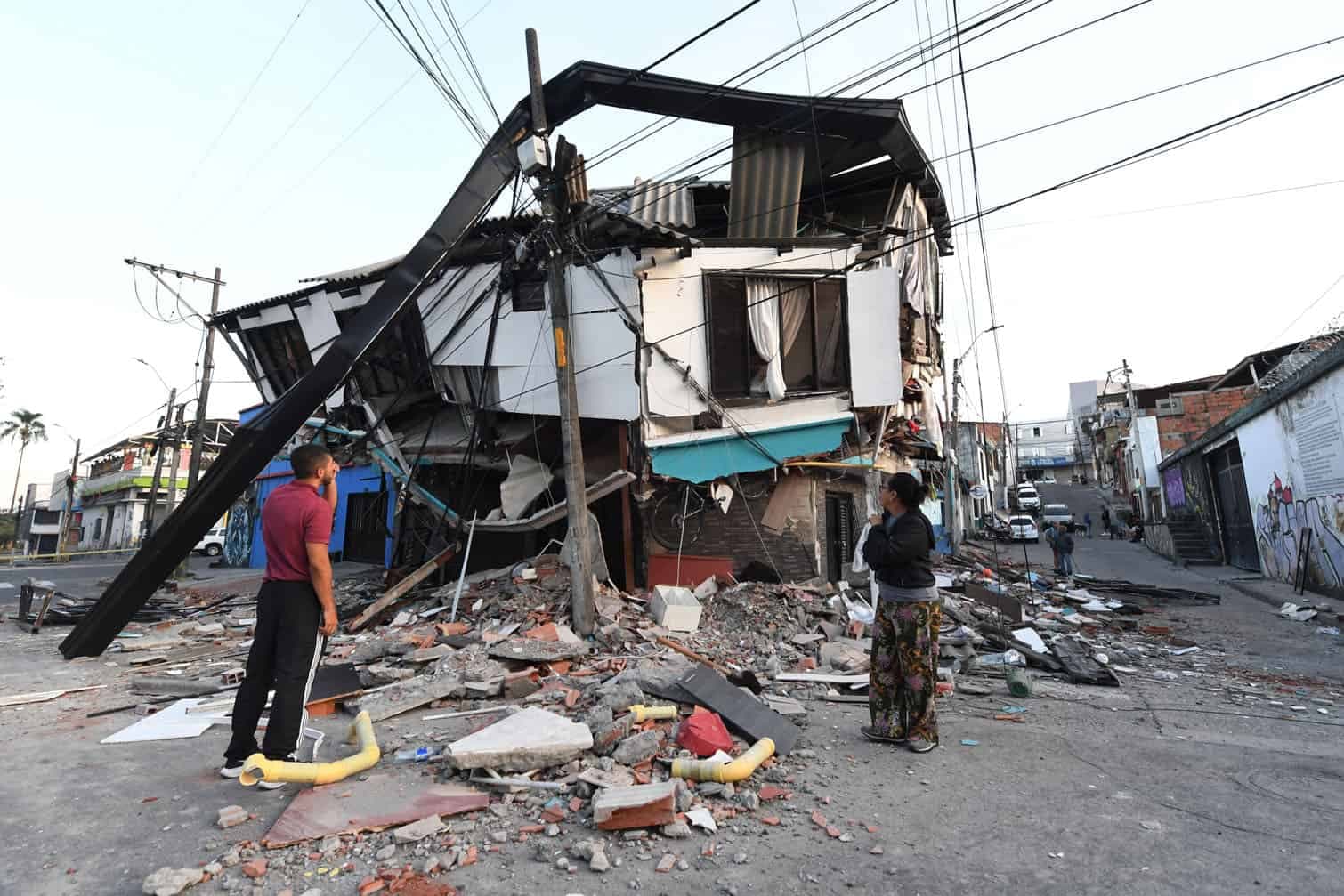
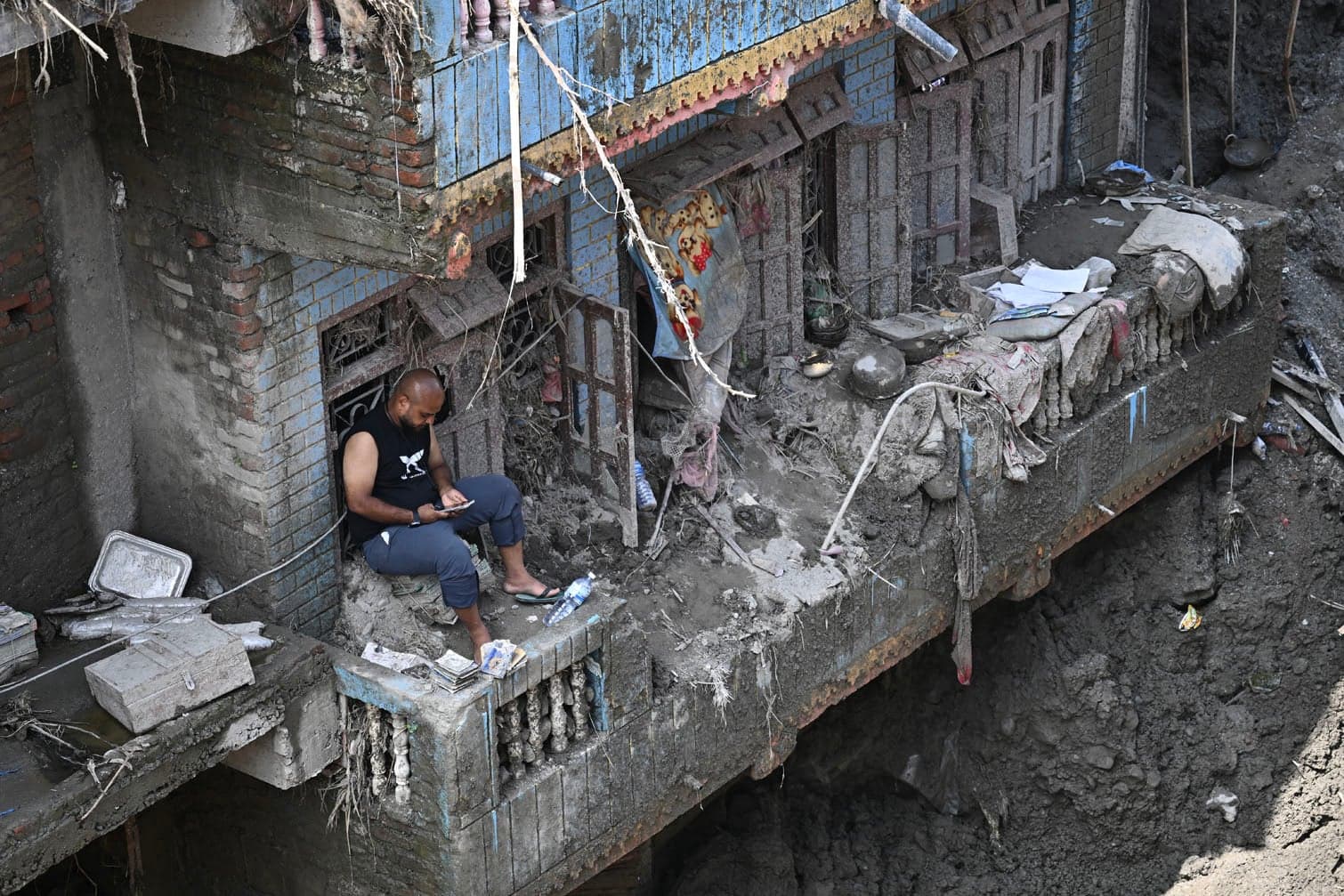
The Pillay sisters are holding onto hope as search and rescue operations continue for their parents, who went missing following devastating floods in the Nepal-Tibet border region. The developing situation, which was reported by South African media outlet The Post on 12 September 2026, has sparked widespread concern as the family awaits critical updates from emergency teams on the ground.
At this stage, specific details surrounding the identities of the parents, their exact travel itinerary, and the precise location where they were last seen remain limited. What is confirmed is that severe flooding has severely impacted the mountainous border areas between Nepal and Tibet. The Pillay sisters are currently navigating an agonizing period of uncertainty, hoping for any positive news regarding their parents' safety.
The Nepal-Tibet border region is notorious for its challenging terrain and highly unpredictable weather patterns. Flooding in these high-altitude zones is often triggered by intense seasonal rainfall, rapid glacial melt, or landslides, which can instantly cut off remote communities and tourist routes from communication networks. This lack of infrastructure complicates search and rescue operations, frequently leaving families back home without immediate updates on their loved ones.
While the exact involvement of South African consular services in this specific case has not been fully detailed in early reports, the Department of International Relations and Cooperation (DIRCO) typically plays a vital role when South African citizens are caught in international emergencies. In situations involving natural disasters abroad, DIRCO's Consular Services division works alongside local embassies and international authorities to coordinate search efforts, verify citizens' safety, and establish communication channels for affected families.
For families like the Pillays, the lack of immediate information is often the most agonizing aspect of an international disaster. When communication networks in flood-affected zones collapse, it can take days or even weeks for rescue teams to reach remote areas and compile lists of survivors. The sisters' public expression of hope highlights the profound emotional toll experienced by relatives who are forced to watch and wait from thousands of kilometres away.
Search and rescue operations in the Nepal-Tibet border region require highly specialised teams, often involving local military forces, mountain rescue experts, and international humanitarian organisations. The rugged terrain, coupled with the ongoing threat of secondary landslides and continued flooding, makes aerial and ground searches extremely hazardous. These logistical hurdles mean that official updates are often slow to emerge, requiring immense patience from anxious family members.
As of mid-September 2026, several critical questions remain unanswered. It is still unclear whether the missing parents were travelling as part of an organised tour group or independently, and whether other South African nationals have been affected by the same flooding event. Furthermore, the exact scale of the floods and the total number of casualties or displaced persons in the affected Nepal-Tibet sectors have not been fully quantified in the initial reports.
In the coming days, the focus will remain on the progress of the rescue operations and any official statements from South African authorities or international disaster response agencies. The Pillay family's situation has resonated deeply with the local public, and many will be monitoring updates closely. As communication lines are gradually restored in the affected zones, it is hoped that clearer information regarding the status of the missing parents will finally bring answers to their anxious daughters.