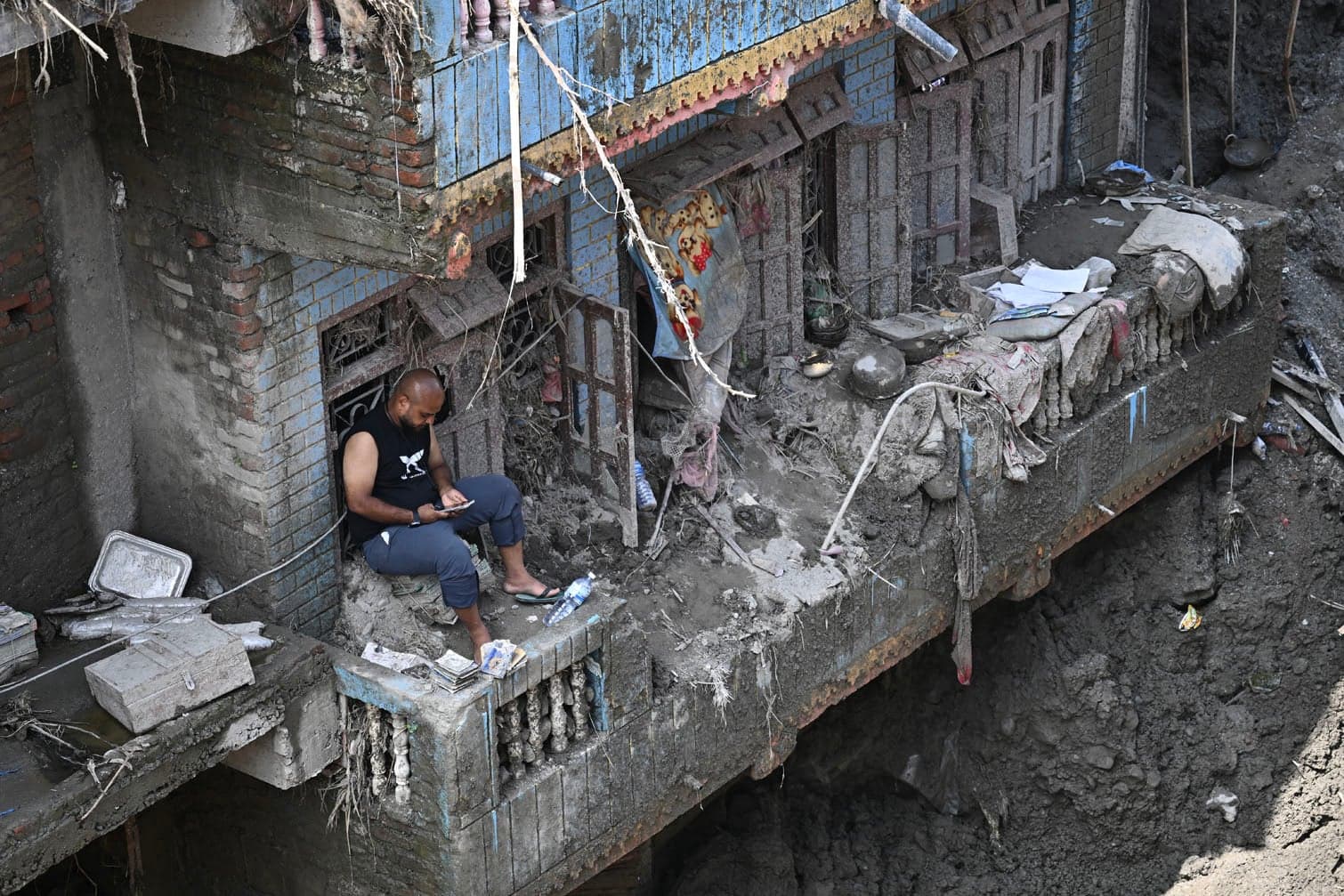
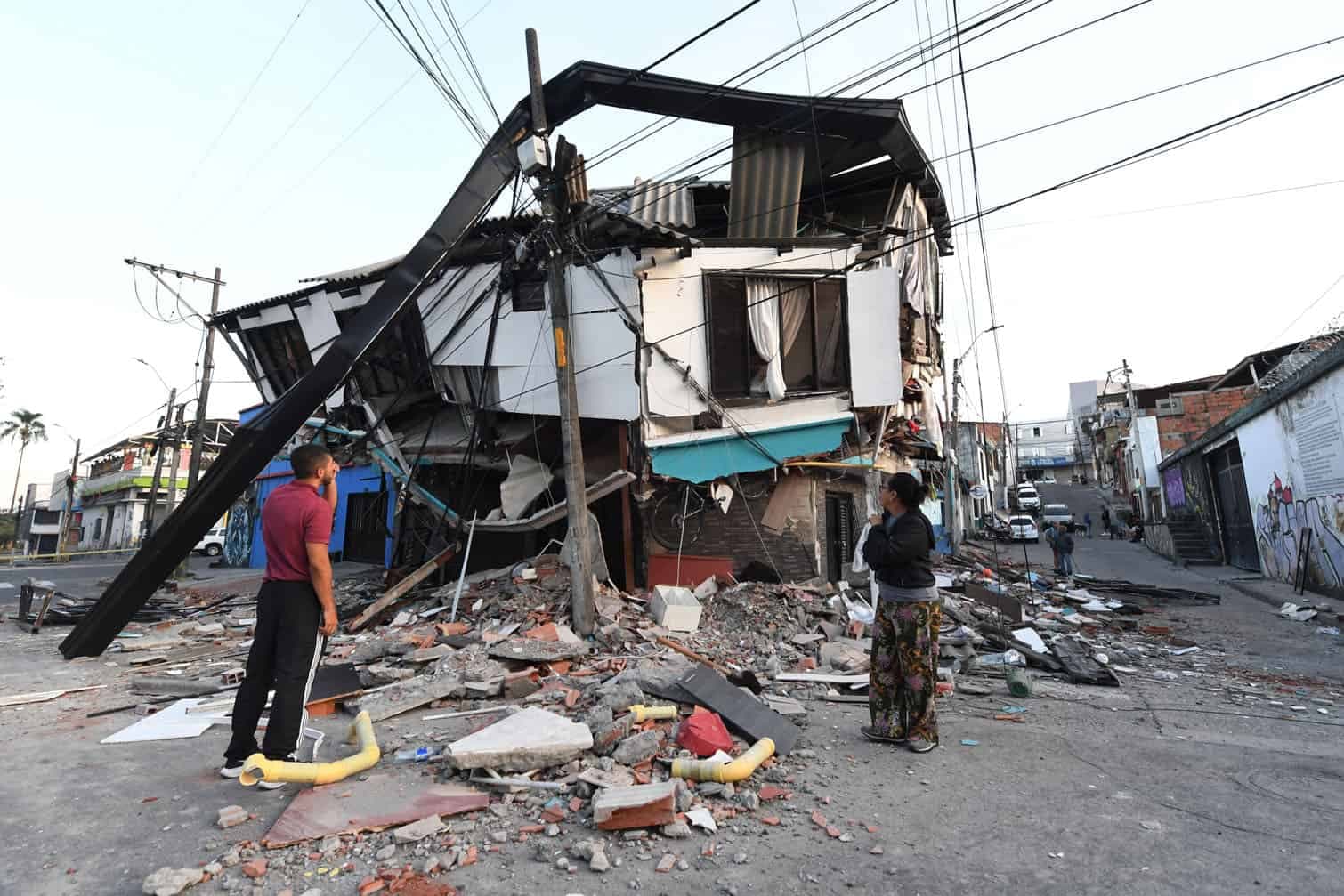
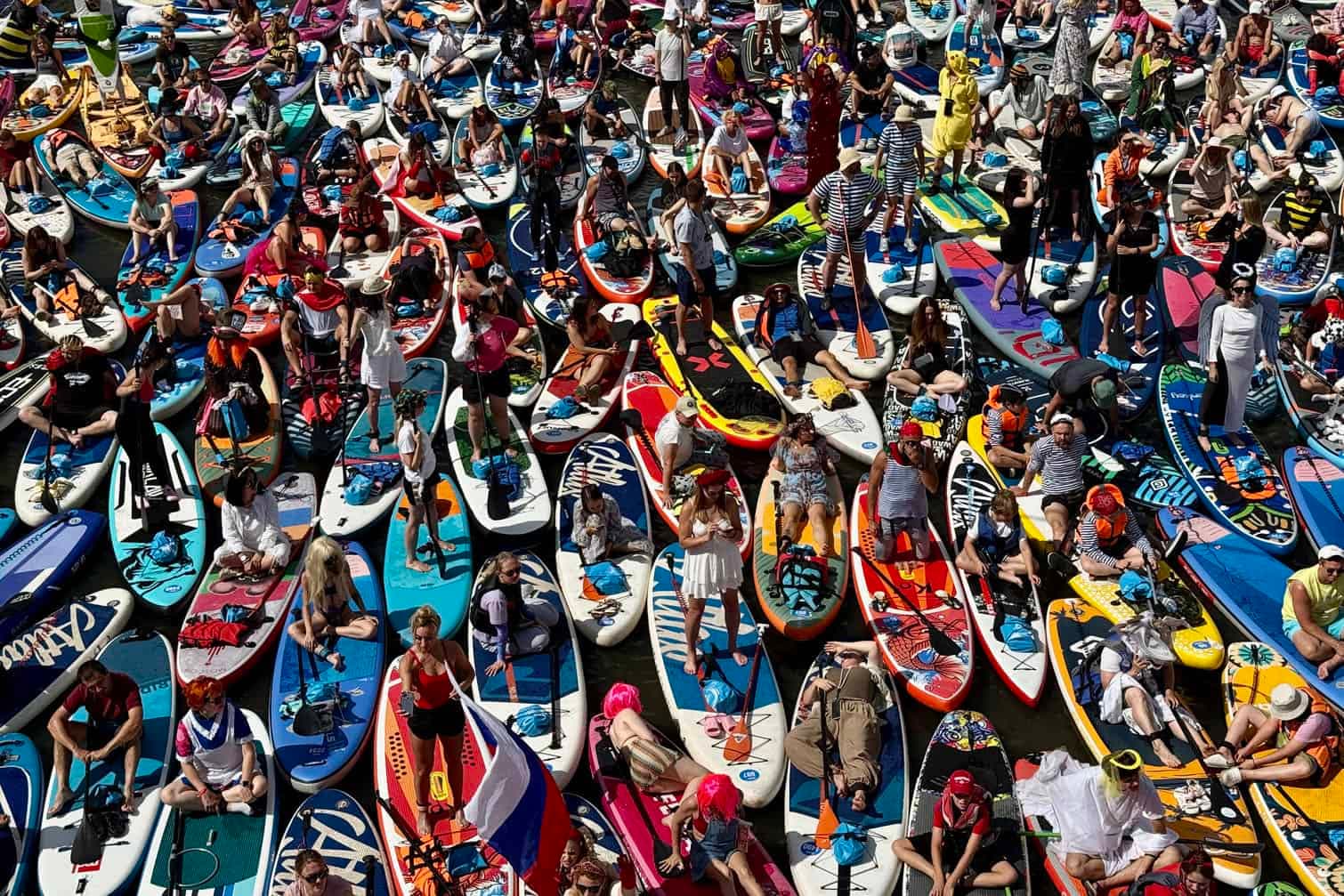
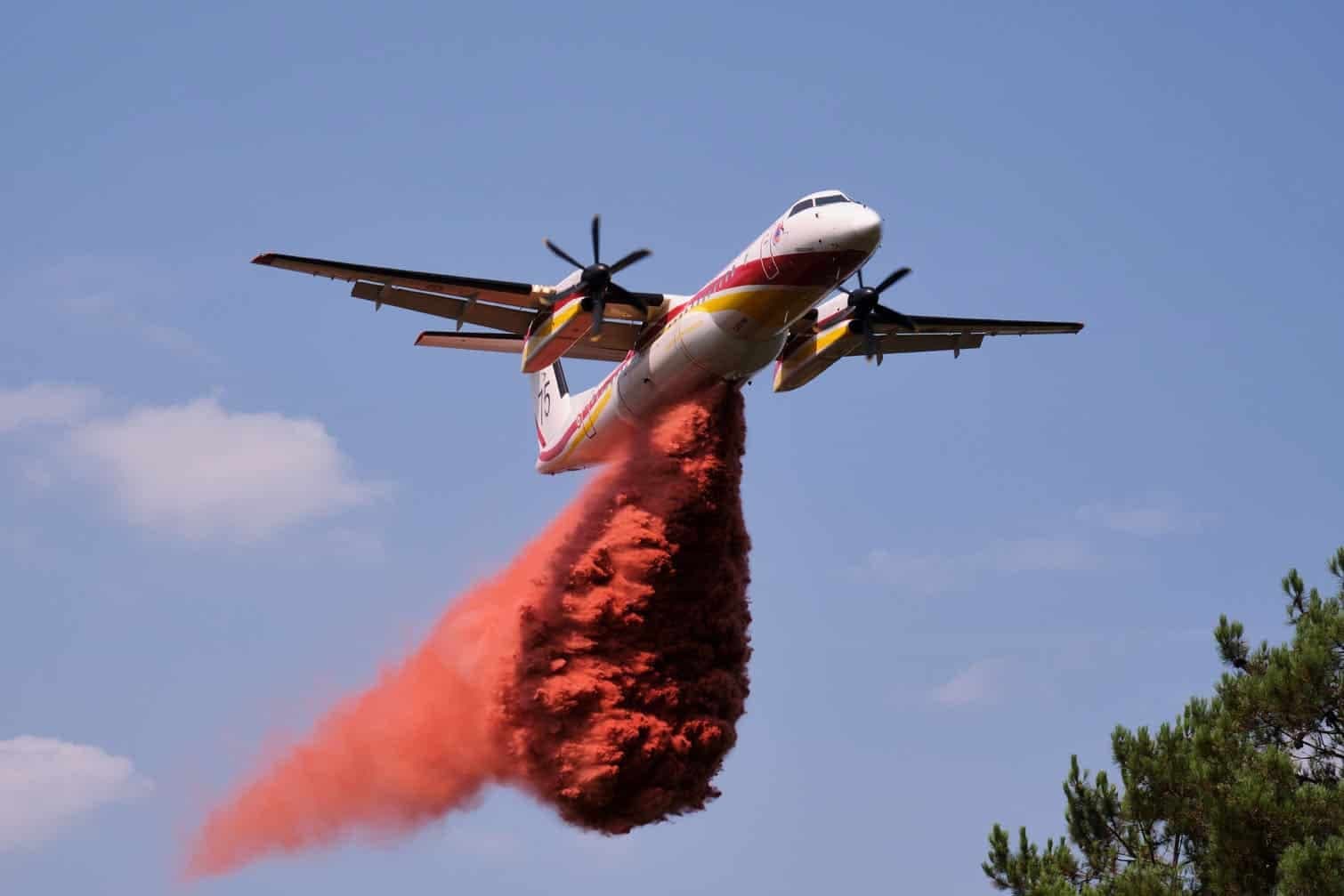
On 8 September 2026, South African media house The Citizen published its latest instalment of the '24 hours in pictures' feature, offering local readers a curated visual window into major global developments. Among the central highlights of this daily multimedia roundup was a striking image documenting a flood in Nepal. This inclusion underscores the critical role that international photojournalism plays in connecting South African audiences with pressing global events, particularly environmental crises occurring thousands of kilometres away.
Daily pictorial features have become a staple of modern South African digital journalism. By condensing complex international stories into powerful visual narratives, publications like The Citizen allow local readers to quickly grasp the scale of global events. The presence of the Nepal flood image in the 8 September gallery highlights how environmental disasters continue to dominate the global news cycle, serving as a stark reminder of the shared challenges faced by communities worldwide in the face of extreme weather.
For South African readers, the coverage of international flooding carries a familiar resonance. In recent years, South Africa has experienced its own devastating weather events, such as the severe floods in KwaZulu-Natal and other provinces. Seeing similar crises unfold globally, such as the situation captured in Nepal, fosters a sense of shared vulnerability and international solidarity. It highlights that climate-induced challenges are not isolated incidents but part of a broader, systemic global pattern that requires collective awareness and action.
The trend data indicates that this visual roundup was captured and distributed on 8 September 2026, categorised under viral news in South Africa. This suggests a high level of public interest in real-time global imagery. In an era of rapid information consumption, these curated galleries perform an essential service by filtering vast amounts of daily global occurrences into digestible, high-impact visual stories. They provide immediate context to international developments that might otherwise seem distant to the average South African consumer.
While the visual evidence of the Nepal flood is clear, several details regarding the disaster remain unspecified in the immediate trend data. The exact location within Nepal, the number of people affected, the extent of the infrastructural damage, and the ongoing rescue operations are not detailed in this specific multimedia update. To fully understand the scope of the crisis, readers must look to subsequent detailed reporting, as daily picture galleries are designed to spark initial awareness rather than provide exhaustive policy or humanitarian analysis.
The practical implications of these visual roundups extend to how South Africans consume and react to global news. Such images often prompt humanitarian discussions and can influence public discourse around climate change and disaster mitigation strategies locally. Furthermore, they remind South African policymakers and citizens alike of the importance of robust disaster preparedness systems, as the visual evidence of flooding abroad mirrors the domestic challenges faced by South African municipalities during heavy rainfall seasons.
As the global community continues to grapple with volatile weather patterns, South African media will undoubtedly keep monitoring these international developments. Readers should watch for further detailed reports on the situation in Nepal, including potential relief efforts and regional updates. The continued reliance of South African newsrooms on powerful visual journalism ensures that local audiences remain well-informed participants in the global conversation surrounding environmental resilience and international news.