The Citizen Captures Global Events in Pictures, Highlighting Colombia Earthquake
The Citizen's daily visual round-up for 11 August 2026 brings global events to South African readers, featuring critical imagery of a recent earthquake in Colombia. The curated gallery highlights the vital role of photojournalism in connecting local audiences with international crises.
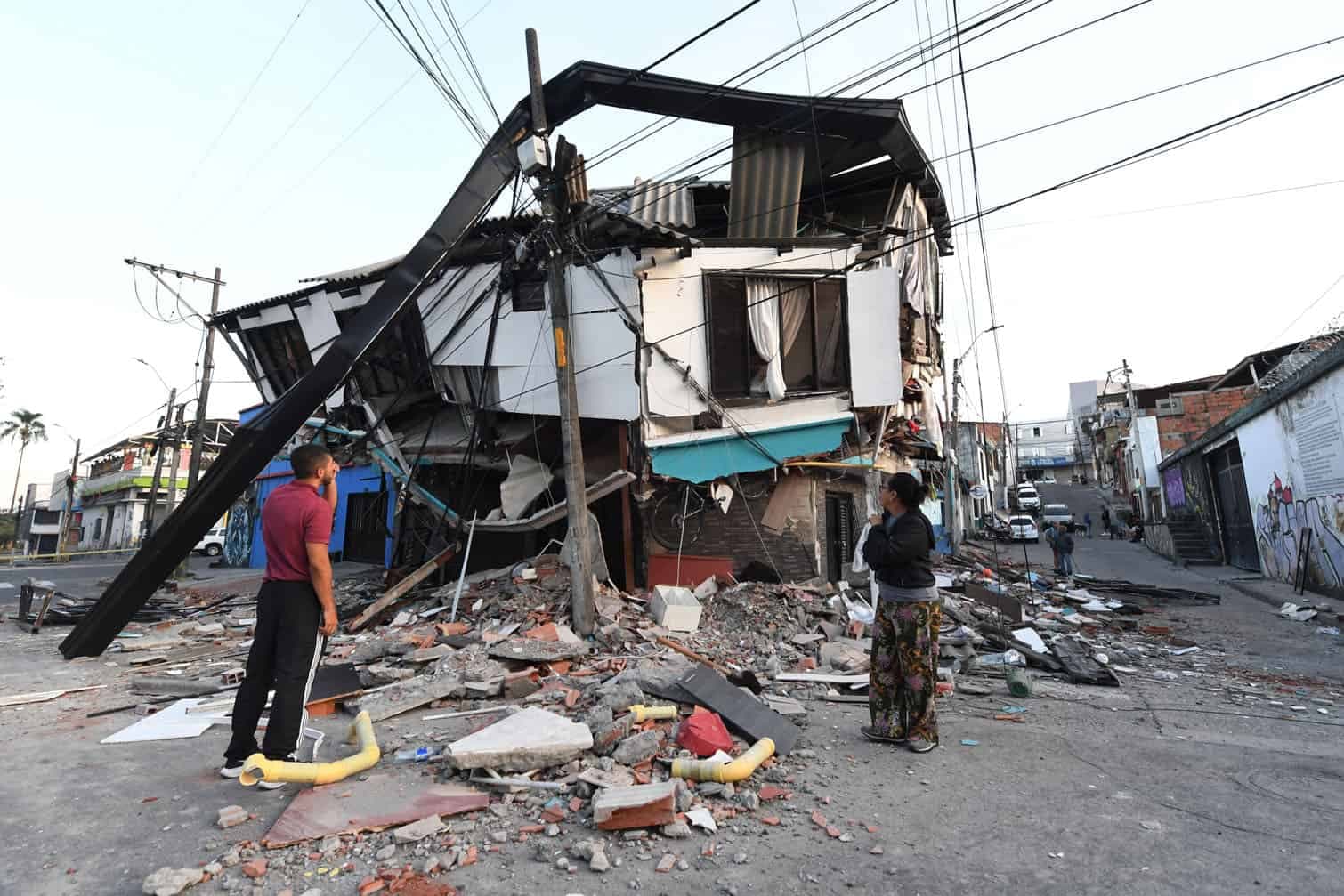
South African media outlet The Citizen has released its daily curated visual gallery, "24 hours in pictures," for 11 August 2026. This daily feature serves as a vital window into global and local events, capturing the most striking moments of the previous 24 hours. Among the primary highlights of this edition is a focus on a major seismic event in South America, indicated by featured imagery documenting an earthquake in Colombia.
The "24 hours in pictures" series is a long-standing staple in South African digital journalism. Published by The Citizen, a prominent national news source, the feature compiles high-impact photography from global press agencies and local photojournalists. By condensing complex global developments into a single, easily digestible visual digest, the publication allows South African readers to quickly grasp the scale of international events.
While specific casualties, magnitudes, and structural damage statistics from the Colombian earthquake remain unconfirmed in the initial metadata, the inclusion of the image file titled "colombia-quake.jpg" as a headline feature underscores the severity of the event. In international news curation, natural disasters of this scale are typically prioritized to inform local audiences of unfolding humanitarian situations abroad. South Africans watching the region will need to await further detailed reporting to understand the full impact of the tremor.
Visual storytelling plays an indispensable role in how South Africans consume international news. In an era dominated by rapid information flows, a single photograph can convey the human cost of a disaster far more effectively than text alone. For South African readers, seeing the immediate aftermath of an earthquake in Colombia fosters a sense of global interconnectedness, highlighting shared human vulnerabilities across different hemispheres.
The curation of "24 hours in pictures" on 11 August 2026 reflects the collaborative nature of modern newsrooms. South African publications rely heavily on syndicated feeds and international photo agencies to bring real-time images from distant locales like Colombia to local screens. This process requires careful editorial oversight to ensure that the images selected are both contextually accurate and respectful of the subjects depicted during times of crisis.
Although Colombia is geographically distant from South Africa, the reporting of such natural disasters carries domestic relevance. South Africa’s own history with mining-induced tremors and minor seismic activities, particularly in Gauteng and the Western Cape, means that reports of earthquakes globally often resonate with local audiences. Observing how international disaster management teams respond to the Colombian quake can offer subtle insights for local emergency services.
At this stage of the news cycle, several key details regarding the Colombian earthquake remain unresolved. The precise epicentre, the depth of the quake, and the specific cities or regions most affected are still being verified by seismologists and local authorities in South America. Furthermore, the extent of South African diplomatic or humanitarian involvement, if any, is yet to be determined as international aid assessments begin.
Moving forward, South African readers should monitor follow-up reports from The Citizen and other major national news outlets for updated statistics and personal narratives from the affected areas in Colombia. As rescue operations progress, more detailed galleries and comprehensive written reports will likely emerge, transitioning from immediate visual snapshots to deep-dive investigative journalism.
Reporting record
How this story was produced
This article was AI-generated from the frozen trend evidence and passed deterministic quality and safety gates. No cross-provider evidence review or independent human verification is claimed for this record.
- Byline
- Newstrends AI Newsroom
- First published
- Last material update
- No later material update recorded
- Distinct source identifiers
- 1 retained source identifier
Frozen source links for this publication
Chronology
Story timeline
A generated chronology for orientation; dates and details may require source verification.
Update
The Citizen publishes its daily '24 hours in pictures' gallery featuring the Colombia earthquake image.
Update
South African audiences access real-time visual updates of the unfolding situation in South America.
Reader file
Frequently asked questions
01What is '24 hours in pictures'?
It is a daily curated multimedia gallery published by the South African news outlet The Citizen, showcasing significant global and local events through photography.
02What major event was highlighted on 11 August 2026?
The gallery featured imagery from a recent earthquake in Colombia, bringing international attention to the seismic event.
03Are there details on the casualties or magnitude of the Colombia earthquake?
Specific details regarding the magnitude, exact location, and casualties remain unconfirmed in the initial visual reports, and readers are advised to follow subsequent news updates for verified statistics.
Keep reading
Related coverage
More published reporting connected to this story.

The Citizen Captures Global Moments in '24 Hours in Pictures' Gallery for 10 August 2026
The Citizen has published its daily visual roundup for 10 August 2026, offering South Africans a curated look at major global events. The multimedia gallery highlights the ongoing importance of photojournalism in the local digital media landscape.

The Power of Photojournalism: The Citizen Captures Global Events and Firefighting Efforts on 30 July 2026
Media outlet The Citizen published its '24 hours in pictures' gallery on 30 July 2026, highlighting significant global events. Among the featured images is a striking depiction of aerial firefighting, emphasizing the ongoing challenges of the dry winter season.

The Citizen Captures Global Moments: A Look at the '48 Hours in Pictures' Feature on 2 August 2026
South African publication The Citizen has released its '48 hours in pictures' gallery for 2 August 2026, highlighting major global events. The curation features impactful imagery, including a prominent photograph of a boat in Indonesia. This visual roundup offers local readers a concise window into international current affairs.

The Citizen Captures Global Events in Daily Photo Digest for 22 July 2026
South African news outlet The Citizen has released its daily visual round-up for 22 July 2026, featuring key global events. Among the highlighted imagery is a significant accident in the Netherlands, illustrating the power of daily photojournalism.
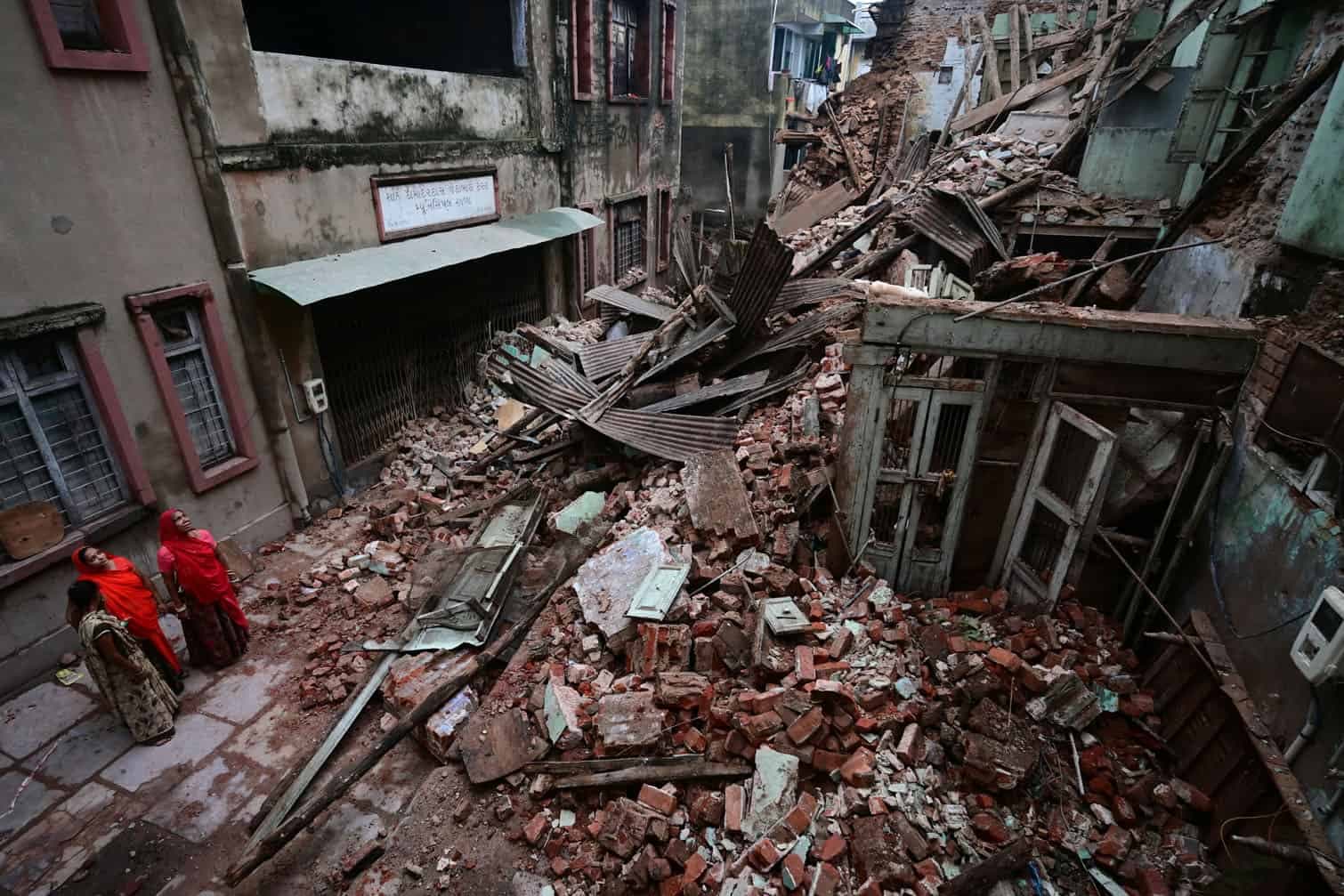
The Citizen Captures Global Events in Daily '24 Hours in Pictures' Feature for 28 July 2026
South African news portal The Citizen has released its daily curated photo gallery for 28 July 2026. The visual roundup connects local readers to key global events, including notable weather developments in India.