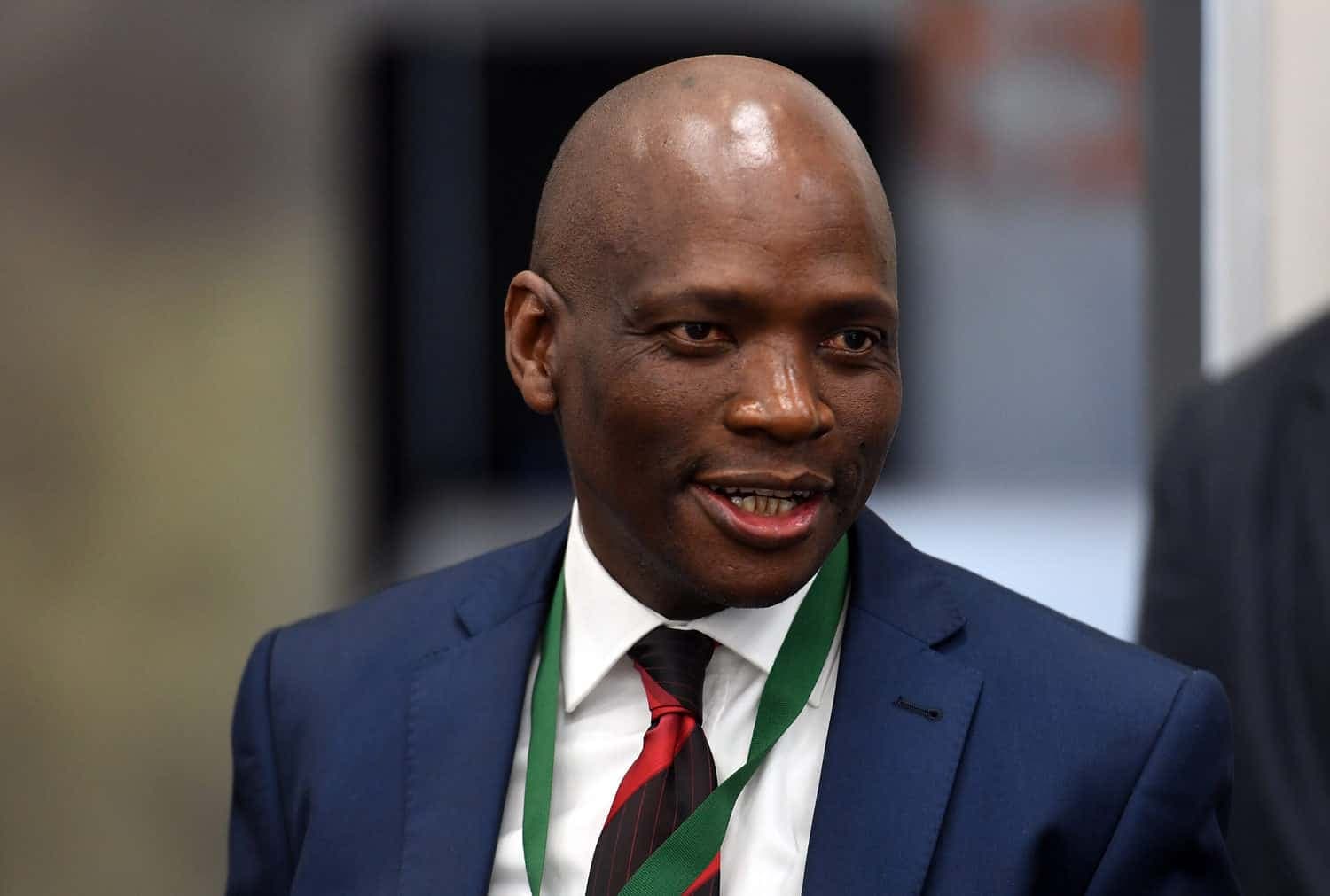
On 19 September 2026, reports emerged detailing how the newly appointed head of South Africa's Special Investigating Unit (SIU) plans to systematically target and investigate political heavyweights and high-ranking public officials. This development, first reported by Independent Online (IOL), signals a potentially aggressive shift in the country's ongoing battle against public sector corruption and maladministration.
To understand the significance of this announcement, it is essential to look at the role of the SIU within the South African legal framework. The SIU is a specialized forensic auditing and investigation agency established under the Special Investigating Units and Special Tribunals Act. Unlike ordinary law enforcement, the SIU focuses on investigating corruption, malpractice, and serious maladministration within state institutions, state-owned enterprises, and government departments, with the ultimate goal of recovering lost state assets.
The core of the new strategy, as highlighted in the initial reports, centers on a methodical, individualised approach to high-profile targets. Rather than launching broad, unfocused inquiries that can become bogged down in legal technicalities, the new SIU leadership reportedly intends to pursue powerful officials and political heavyweights 'one by one.' This systematic approach suggests a focus on building airtight cases that can withstand intense legal scrutiny and political pressure.
While the broad outlines of this aggressive anti-corruption stance have been publicised, several critical details remain unconfirmed or undisclosed in the initial reports. The specific identity of the new SIU chief, the precise list of political figures under scrutiny, and the exact timeline for these investigations have not been fully detailed. In the South African context, where high-profile investigations are often met with intense public interest and political pushback, the lack of immediate specifics leaves many questions open regarding how this strategy will be executed.
The focus on 'political heavyweights' comes at a crucial time for South Africa, a nation that has spent years grappling with the legacy of state capture and systemic corruption. Public demands for accountability have grown louder, with citizens expressing frustration over the perceived slow pace of prosecutions and asset recovery. A renewed, highly targeted effort by the SIU could serve to restore public confidence in state institutions, provided it yields tangible results in courts and tribunals.
Implementing a strategy that targets the politically connected is fraught with practical and systemic challenges. High-ranking officials often possess the financial resources to wage protracted legal battles, a tactic often referred to locally as the 'Stalingrad defence.' Furthermore, the SIU must coordinate closely with other state agencies, such as the National Prosecuting Authority (NPA) and the Hawks, to ensure that civil recoveries are matched by criminal accountability where necessary. The success of the 'one by one' plan will largely depend on this inter-agency cooperation.
As the strategy begins to unfold, observers and the South African public will be watching closely for the first concrete actions taken under the new leadership. Key indicators of progress will include the referral of completed investigation reports to the President, the initiation of civil litigation in the Special Tribunal to freeze and recover assets, and the public naming of the entities and individuals under active investigation. Whether this new chapter in the SIU's history will lead to systemic change or face familiar institutional hurdles remains to be seen.