Madlanga Inquiry: Andrea Johnson Alleges 'Secret Fund Looting Scheme' and Capture of Crime Intelligence
At the Madlanga Inquiry, Andrea Johnson has alleged that South Africa's Crime Intelligence division was 'captured' through a secret fund looting scheme. The startling claims have raised serious concerns regarding the oversight of classified state security budgets. As the inquiry unfolds, key details about the scale of the alleged siphoning remain undisclosed.
In a development that has sent shockwaves through South Africa’s security and political landscape, serious allegations of institutional capture have been leveled against the country’s Crime Intelligence division. Speaking at the Madlanga Inquiry on 21 July 2026, Andrea Johnson alleged that the critical state agency had been "captured" as part of a highly coordinated "secret fund looting scheme." The revelations have once again thrust the management of South Africa’s state security resources into the public spotlight.
The core of Johnson’s testimony centers on the manipulation of confidential financial resources. According to the initial reports, the alleged scheme involved the systematic looting of secret funds—allocations typically reserved for sensitive undercover operations and national security intelligence gathering. While the specific monetary values and the precise timeline of these activities remain undisclosed in the current proceedings, the assertion of "capture" suggests a deep-seated compromise of the division's leadership and operational integrity.
The Madlanga Inquiry has emerged as a crucial forum for examining these weighty allegations. In South Africa, judicial and public inquiries play a pivotal role in uncovering systemic corruption, providing a structured environment where whistleblowers and officials can present evidence. As the inquiry progresses, the focus on Crime Intelligence highlights a persistent vulnerability within state organs where classified budgets are shielded from standard public auditing processes, making them potential targets for illicit diversion.
The term "state capture" carries profound historical weight in South Africa, evoking memories of past systemic corruption that crippled key public entities. Andrea Johnson’s allegations that Crime Intelligence was captured suggest that the lessons of the past may not have been fully integrated into the security sector's governance. Crime Intelligence, as a primary arm of the South African Police Service (SAPS), is mandated to protect the nation from internal threats; any compromise to its funding or command structure directly threatens national stability.
At this juncture, several critical details regarding the alleged looting scheme remain unclear. The public has yet to see a detailed breakdown of how the secret funds were allegedly siphoned, who authorized the transactions, and which external or internal actors benefited from the scheme. Additionally, it remains to be seen how the current leadership of Crime Intelligence and the broader police ministry will respond to these explosive claims, or whether any formal criminal charges will be initiated in the wake of Johnson's testimony.
The vulnerability of secret service accounts is a well-known challenge globally, but in South Africa, it represents a critical gap in oversight. Because these funds are classified to protect ongoing intelligence operations, they do not undergo the same rigorous public scrutiny as standard departmental budgets. This inherent secrecy, while operationally necessary, creates an environment where allegations of looting can easily arise, making independent oversight mechanisms like the Madlanga Inquiry indispensable.
For ordinary South Africans, the implications of these allegations are deeply troubling. With the country facing persistent challenges related to violent crime and organized syndicates, a fully functioning and uncompromised Crime Intelligence division is vital. The suggestion that resources meant for fighting crime were instead diverted through a looting scheme raises serious questions about the state's capacity to protect its citizens and maintain law and order.
Moving forward, the public and legal analysts will be watching the Madlanga Inquiry closely for further disclosures. The next phases of the inquiry are expected to reveal whether corroborating evidence will be presented, and if other high-ranking officials will be called to testify. Whether these allegations will lead to a comprehensive overhaul of the country's intelligence structures remains one of the most critical questions facing South Africa’s justice system.
Reporting record
How this story was produced
This article was AI-generated from the frozen trend evidence and passed deterministic quality and safety gates. No cross-provider evidence review or independent human verification is claimed for this record.
- Byline
- Newstrends AI Newsroom
- First published
- Last material update
- No later material update recorded
- Distinct source identifiers
- 1 retained source identifier
Frozen source links for this publication
Chronology
Story timeline
A generated chronology for orientation; dates and details may require source verification.
Update
Andrea Johnson presents evidence at the Madlanga Inquiry, alleging a secret fund looting scheme and the capture of Crime Intelligence.
Reader file
Frequently asked questions
01What are the key allegations made by Andrea Johnson?
Andrea Johnson alleged at the Madlanga Inquiry that South Africa's Crime Intelligence division was "captured" through a "secret fund looting scheme" designed to siphon confidential state funds.
02What is the Madlanga Inquiry?
The Madlanga Inquiry is the public forum where these allegations regarding Crime Intelligence and its secret funds are being formally presented and investigated.
03What details about the alleged looting scheme are currently unknown?
At this stage, the exact amount of money allegedly siphoned, the timeline of the looting, and the identities of other individuals involved in the scheme remain undisclosed.
Keep reading
Related coverage
More published reporting connected to this story.
Manufacturing Indaba 2026 Hailed as Catalyst for Africa's Industrial Growth
The Manufacturing Indaba 2026 has been identified as a significant catalyst for industrial growth across the African continent, according to a report by IOL Business Report. Published on July 19, 2026, this assessment underscores the event's profound impact on fostering economic development and industrialisation, particularly from a South African perspective.
Kumba Iron Ore Forecasts Significant Drop in Interim Headline Earnings
South African mining giant Kumba Iron Ore has warned of a projected decline in its interim headline earnings. While the preliminary report flags a significant downturn, the exact figures and underlying drivers remain unconfirmed ahead of the full financial release.
The Hidden Cost of Debt is Hitting South African Homes Harder Than Ever
A rising tide of hidden borrowing costs is putting unprecedented pressure on South African household budgets. As secondary fees and insurance premiums compound, consumers face a growing financial squeeze.
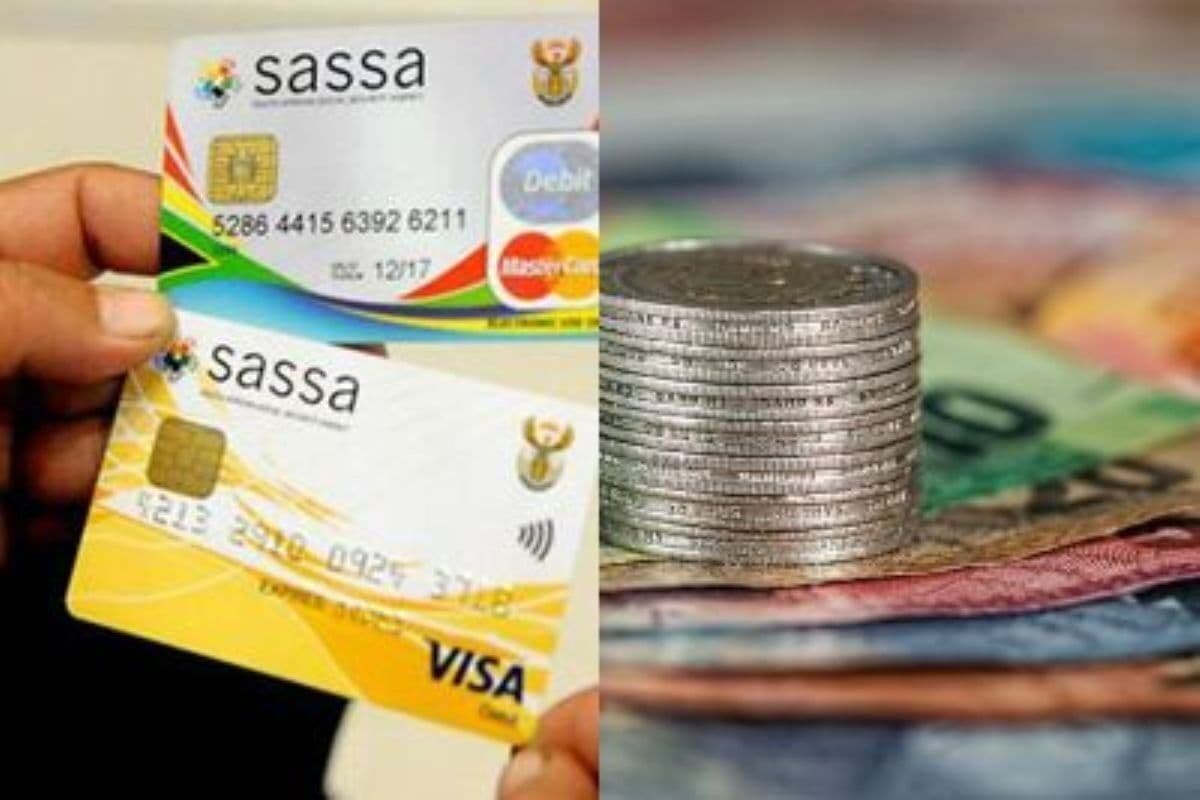
SASSA Warns: Some Beneficiaries Face Staggered Grant Payments in August 2026
The South African Social Security Agency (SASSA) has issued a warning indicating that not all beneficiaries will receive their August grant payments at the same time as others. This alert, released in mid-July, highlights potential payment disparities for an unspecified group of recipients next month, urging vigilance.

Discovery Alerts SA Motorists to Driving Habit Deemed More Dangerous Than Drunk Driving
South African insurer and wellness giant Discovery has issued a significant warning to motorists regarding a driving habit it identifies as more hazardous than driving under the influence. While the specific habit has not yet been disclosed, the severity of the comparison underscores an urgent call for increased road safety awareness among drivers.