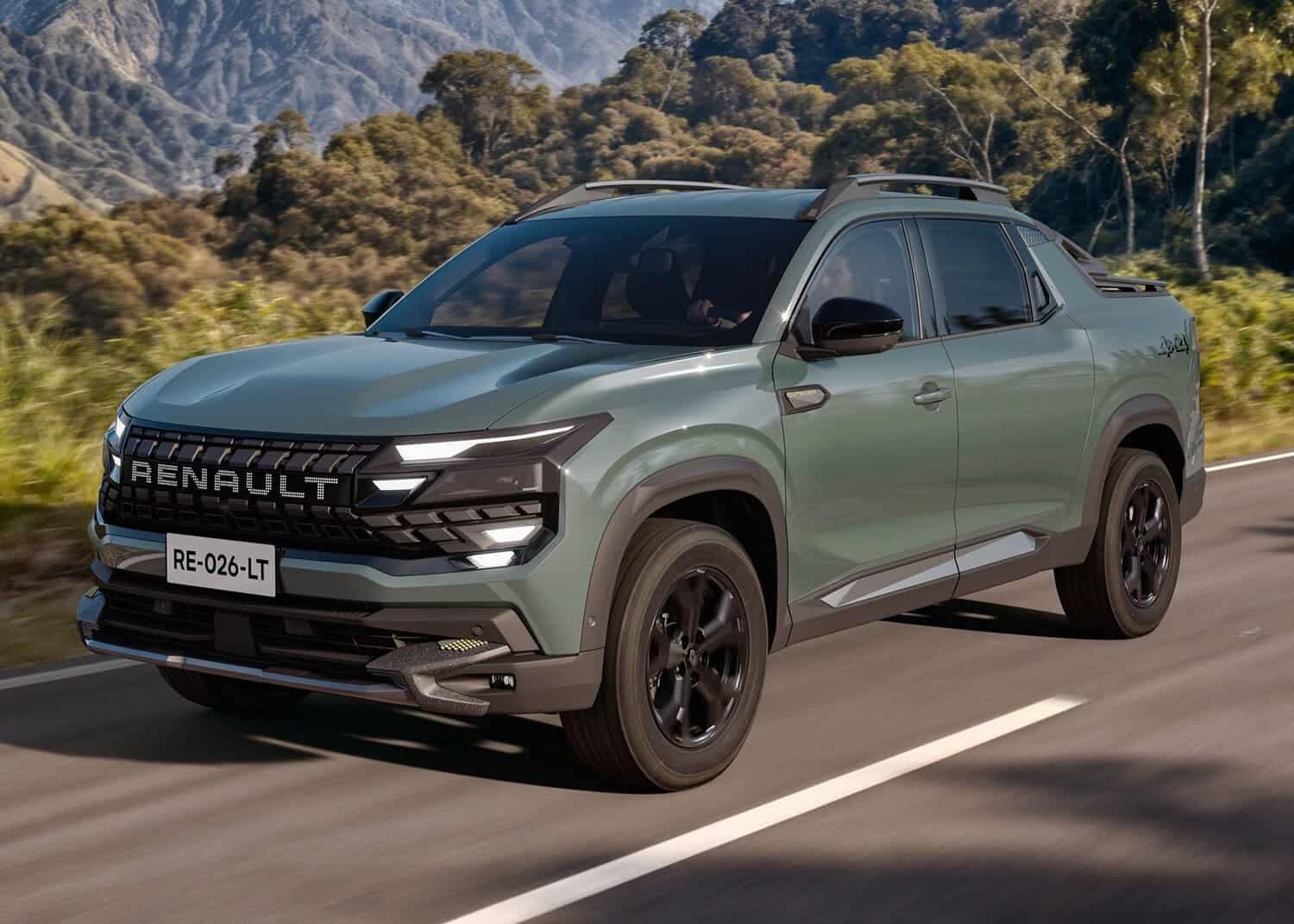
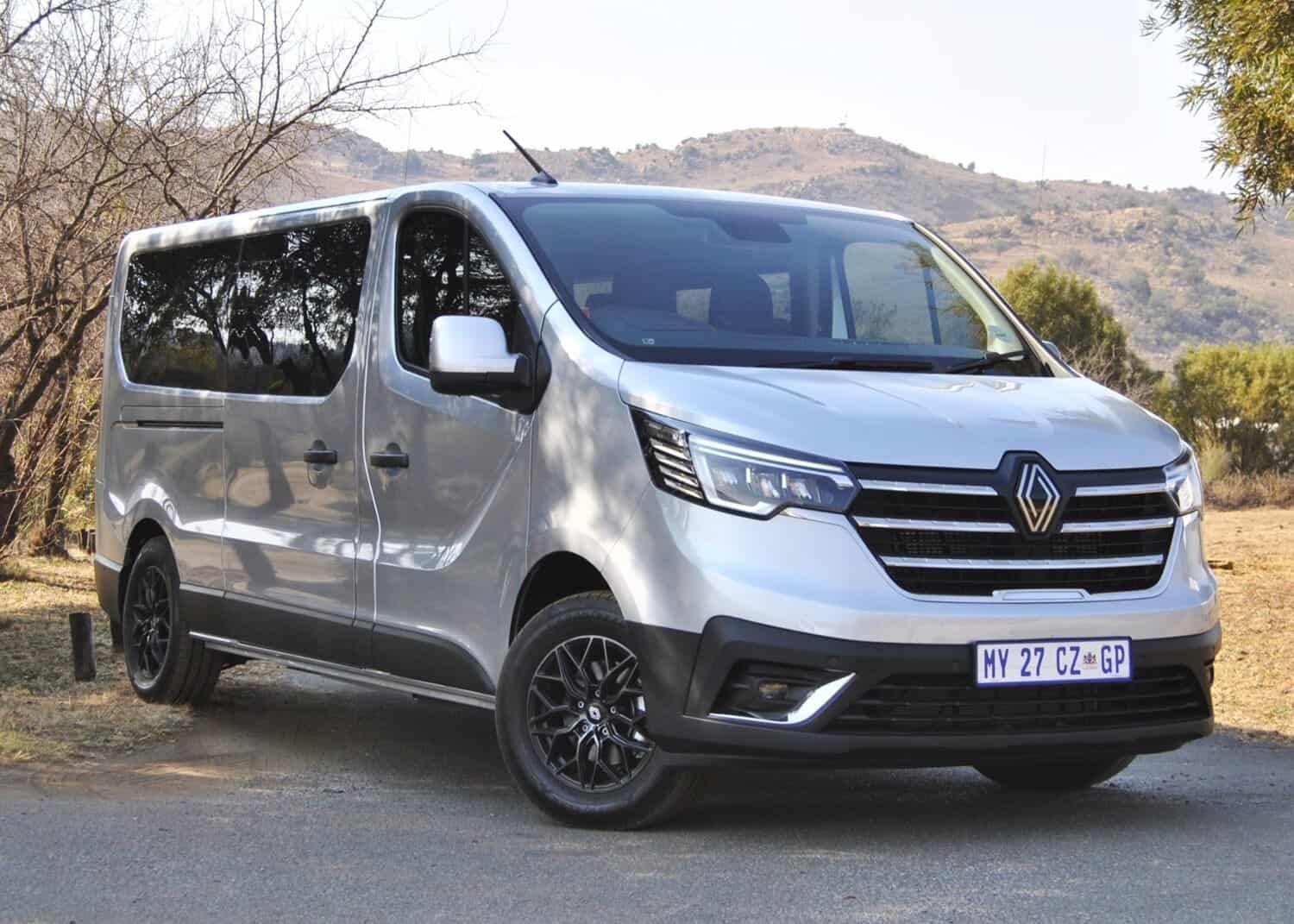
On 19 September 2026, the global reveal of the new Renault Niagara bakkie ignited a fresh wave of excitement across the South African motoring landscape. The unveiling has officially revived the highly contested "Mzansi half-tonner" debate, a topic that lies close to the hearts of local automotive enthusiasts and commercial business owners alike. The discussion was thrust back into the spotlight following the release of a dedicated motoring podcast by South African publication The Citizen.
The podcast episode, published on The Citizen's motoring platform, zeroes in on what this new utility vehicle from the French manufacturer could mean for the local market. For years, South African motorists have lamented the shrinking pool of small, affordable bakkies. Once a dominant force on local roads, the classic half-tonner segment has seen fewer options in recent times, leaving a significant gap in the market. The global reveal of the Renault Niagara has suddenly presented a potential new contender, sparking intense speculation and analysis.
To understand the significance of this development, one must look at the unique position that bakkies hold in South African culture. Known locally as "bakkies," these light utility vehicles are far more than just transport; they are essential economic drivers for small businesses, farmers, and tradespeople, as well as popular lifestyle vehicles for weekend adventurers. The decline of the traditional half-tonner has left many buyers with fewer affordable choices, forcing them to look at larger, more expensive one-ton options or compact passenger crossovers.
According to the emerging details from the global reveal and the subsequent podcast discussion, the Renault Niagara represents a modern take on the compact utility vehicle. However, because this is a global reveal, specific technical details, engine configurations, and exact dimensions tailored for the South African market have not yet been officially confirmed. Industry experts are currently analyzing how the Niagara's global design might translate to the demanding and unique road conditions of South Africa.
The core of the "Mzansi half-tonner debate" is whether a new entrant like the Renault Niagara can successfully balance affordability with rugged utility. For South African consumers, a bakkie must be capable of handling tough workloads while remaining economical to run and maintain. The Citizen’s podcast explores whether the French brand can deliver a vehicle that meets these strict local demands, or if the Niagara will lean more towards a lifestyle-oriented leisure vehicle rather than a pure workhorse.
As the debate gains traction online, several critical questions remain unanswered. It is currently unclear when—or indeed if—Renault plans to officially launch the Niagara bakkie in South Africa. Furthermore, local pricing, specification levels, and payload capacities remain entirely speculative at this stage. Local motorists and fleet operators will have to wait for official confirmation from Renault South Africa regarding any potential local introduction.
For now, the global reveal of the Renault Niagara has achieved one major milestone: it has successfully reignited a crucial conversation about the future of light utility vehicles in Mzansi. Whether this bakkie eventually arrives on local dealership floors or remains a global talking point, it has highlighted the enduring demand for practical, compact utility vehicles in South Africa. Motoring enthusiasts and industry watchers will undoubtedly keep a close eye on Renault's next moves.