Working Class Heroes: Assessing South Africa's Most Affordable Double-Cab Bakkies Under R400,000
As economic pressures mount, South African motorists are increasingly turning to budget-friendly utility vehicles. A motoring report highlights the value offered by the country's least expensive double-cab bakkies priced around R400,000.
On 22 August 2026, South African motoring enthusiasts and budget-conscious buyers received valuable insights into the affordable utility vehicle market. A consumer-focused report published by IOL Motoring highlighted the country's most affordable double-cab bakkies, framing them as the "working class heroes" of the local automotive landscape. The analysis specifically targets vehicles priced around the R400,000 mark, a segment that has garnered intense interest as South Africans seek practical transport solutions that do not break the bank.
In South Africa, the double-cab bakkie is far more than just a utility vehicle; it is a cultural phenomenon and a vital business tool. For small business owners, tradespeople, and farming communities, these vehicles represent the backbone of daily operations. At the same time, they double as family transport, offering the versatility needed for school runs, holiday trips, and navigating the country's diverse road conditions. This dual-purpose nature makes the search for affordable options a high priority for many households.
The R400,000 price point highlighted in the IOL road test serves as a critical threshold for modern buyers. With the cost of premium, high-end double cabs frequently exceeding the million-Rand mark, the entry-level segment has become the primary battleground for brands looking to capture the volume market. For consumers, finding a capable double-cab at this price requires a careful evaluation of what features are essential versus what can be sacrificed in the name of affordability.
While the specific model names, exact performance metrics, and individual manufacturer specifications from the road test remain within the primary publication, the focus on "least expensive" options points to a highly competitive field. In the South African automotive market, this price bracket typically features entry-level models from established manufacturers as well as newer players looking to disrupt the status quo. Buyers in this segment are generally presented with a choice between proven reliability and modern, feature-rich newcomers.
When navigating the R400,000 double-cab market, South African consumers must weigh several practical implications. Lower-priced vehicles often mean choosing manual transmissions over automatics, opting for basic infotainment systems, and accepting utilitarian cabin finishes. However, the core requirements of a bakkie—payload capacity, towing ability, ground clearance, and robust suspension—remain non-negotiable for working-class buyers who rely on these vehicles for their livelihoods.
Economic factors continue to drive this shift toward budget-friendly utility vehicles. High interest rates, persistent inflation, and fluctuating fuel prices have squeezed the disposable income of middle- and working-class South Africans. Consequently, the demand for vehicles that offer low cost of ownership, comprehensive warranties, and economical fuel consumption has surged. Manufacturers who can deliver reliable double cabs under R400,000 are well-positioned to capture this cost-conscious demographic.
Moving forward, industry analysts expect competition in the budget double-cab segment to intensify. As more brands introduce competitive service plans and extended warranties to sweeten the deal, consumers stand to benefit from better value. For prospective buyers, the key to making an informed decision lies in conducting thorough research, reading detailed road-test assessments like those provided by local motoring journalists, and visiting dealerships to compare real-world cabin space and load-bed dimensions.
Ultimately, the emergence of these "working class heroes" highlights a resilient South African automotive sector that is adapting to the financial realities of its consumer base. While premium models may capture the headlines, it is the affordable, hard-working double cabs that keep the country's economy moving. For those looking to purchase a new vehicle, keeping a close eye on this segment will be crucial as manufacturers continue to vie for the title of South Africa's best-value workhorse.
Reporting record
How this story was produced
This article was AI-generated from the frozen trend evidence and passed deterministic quality and safety gates. No cross-provider evidence review or independent human verification is claimed for this record.
- Byline
- Newstrends AI Newsroom
- First published
- Last material update
- No later material update recorded
- Distinct source identifiers
- 1 retained source identifier
Frozen source links for this publication
Chronology
Story timeline
A generated chronology for orientation; dates and details may require source verification.
Update
IOL Motoring publishes a comprehensive road-test review of South Africa's least expensive double-cab bakkies under R400,000.
Reader file
Frequently asked questions
01What is the price range for South Africa's most affordable double-cab bakkies?
Based on recent motoring reports, the entry-level segment for affordable double-cab bakkies focuses on options priced around the R400,000 mark.
02Why are double-cab bakkies popular in South Africa?
They offer a dual-purpose solution, serving as robust workhorses for businesses during the week and versatile family transport for leisure on weekends.
Keep reading
Related coverage
More published reporting connected to this story.
South African Car Sales Reach Historic 12-Year High in July
South Africa's automotive sector has celebrated a major milestone, with July car sales hitting a 12-year high. The latest industry data highlights the top 15 carmakers driving this unprecedented surge in consumer demand.
New Motoring Podcast Highlights Kia Seltos in Battle Against Chinese Competitors in South Africa
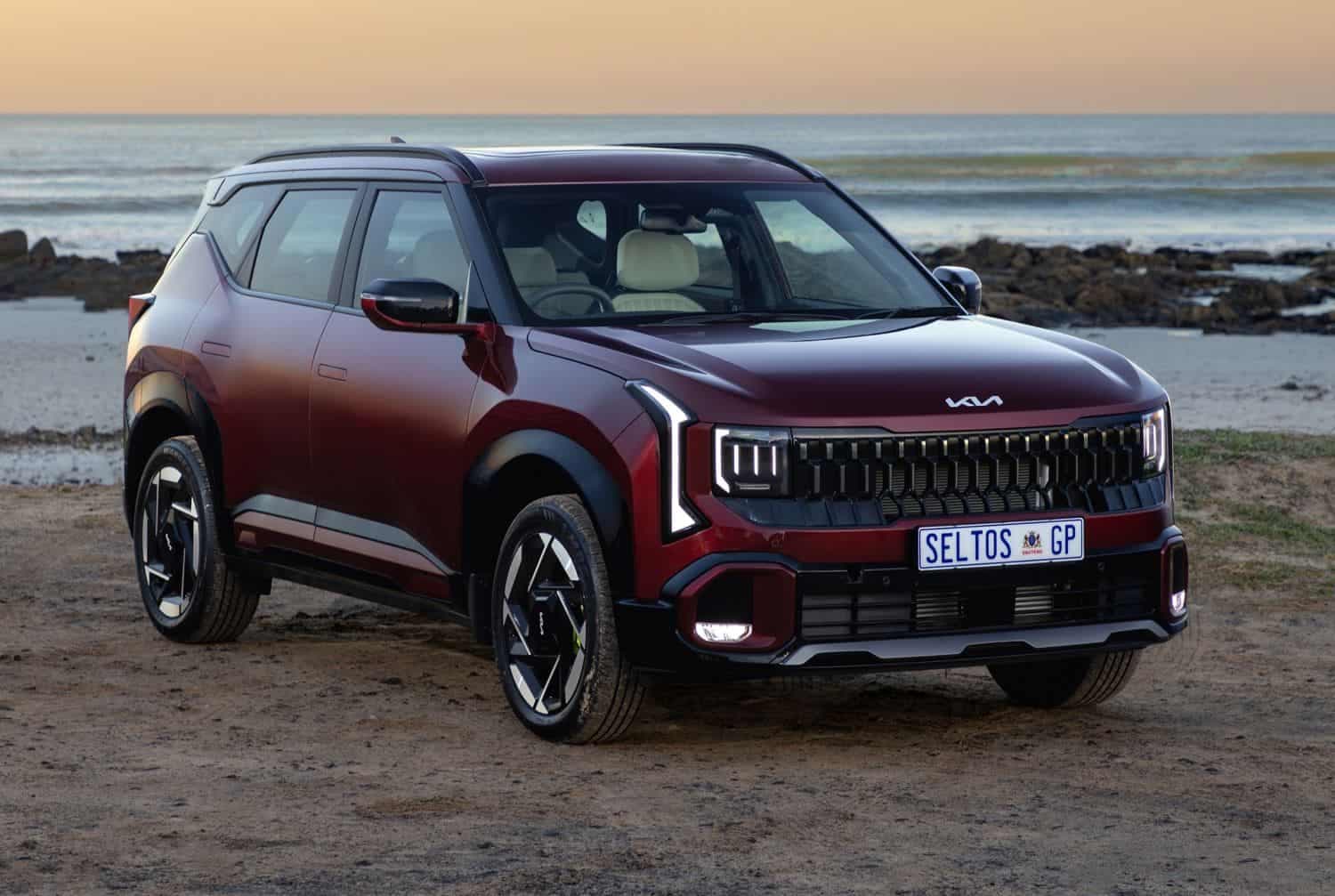
A newly released podcast by The Citizen explores how the Kia Seltos is holding its own against rising Chinese automotive brands. The discussion sheds light on the evolving competitive landscape of the South African compact SUV market.
Changan to Reintroduce 'Half Loaf' Commercial Vehicles to South African Market
Chinese automotive brand Changan is making a strategic comeback in South Africa with the reintroduction of its compact 'half loaf' commercial vehicles. The move aims to provide affordable transport solutions for local small businesses amid tough economic conditions.
Audi expands Q2 range with more accessible S Line entry model
Audi is set to broaden its compact SUV offering in South Africa by introducing a more accessible S Line entry-level model. The new derivative aims to make the brand's popular sporty styling package more attainable for local buyers.

South Africa Is Making a Big Shift: Viral Motoring Trend Captures National Attention
A viral report from BusinessTech indicates that South Africa's motoring sector is undergoing a major transition. While specific details of the shift remain to be fully disclosed, the news has sparked widespread interest across the country.