Indian-Built Renault Duster Price Cut Shakes Up South African SUV Market
A price reduction for the Indian-built Renault Duster has sparked significant interest among South African motorists. The strategic move is expected to boost the SUV's competitiveness in a challenging local economic climate.
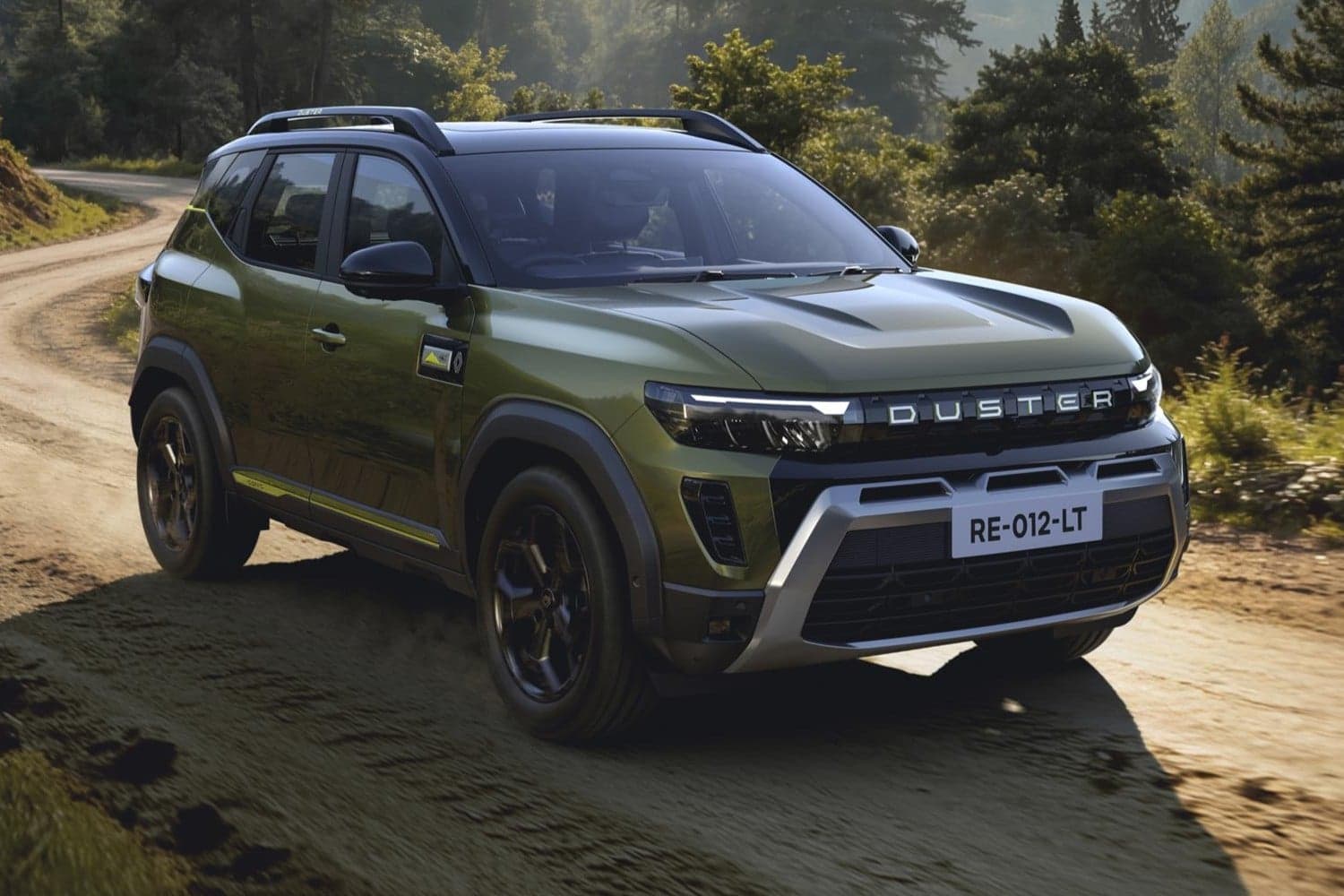
The South African automotive market has received a notable shake-up with the announcement of a significant price reduction for the Indian-built Renault Duster. According to industry reports and a dedicated motoring podcast published by South African news outlet The Citizen on 5 September 2026, this strategic pricing adjustment has positioned the popular compact sport utility vehicle (SUV) as a highly competitive option for local buyers. The discussion surrounding the "price slash" highlights a growing trend of manufacturers adjusting their pricing structures to capture value-seeking consumers in a challenging economic climate.
While the initial announcement has generated substantial interest online, specific details regarding the exact financial breakdown of the price cut remain limited. The available data confirms that the vehicle in question is the Indian-built iteration of the Renault Duster, a model line that has historically enjoyed strong sales in South Africa due to its practical design and robust nature. The phrase "hits the spot" suggests that the new pricing aligns closely with what South African consumers are willing to pay for a vehicle in this highly contested segment, though the exact savings in Rands have not been publicly detailed in the primary source.
In South Africa's current motoring landscape, transparency regarding vehicle specifications and pricing is crucial for prospective buyers. It remains unclear from the initial reports which specific trim levels of the Duster range are affected by this price reduction. The Renault Duster has traditionally been offered in various configurations, including petrol and diesel engines, manual and automatic transmissions, as well as front-wheel-drive and four-wheel-drive systems. Whether the price cut applies uniformly across the entire range or is restricted to specific entry-level or mid-tier models is a key detail that local buyers will need to confirm with dealerships.
The decision to source the Renault Duster from manufacturing facilities in India is a significant factor in this pricing strategy. South Africa has a long-standing history of importing vehicles from India, as the manufacturing efficiencies and right-hand-drive production lines in the country allow global brands to offer vehicles at highly competitive price points. By leveraging these lower production costs, Renault appears to have found the necessary margin to implement a price reduction that directly benefits South African motorists who are increasingly feeling the pinch of inflation and high interest rates.
For South African consumers, the practical implications of this price drop are substantial. The compact SUV market is one of the most fiercely contested sectors in the local automotive industry, with numerous brands competing for the attention of families and adventure-seekers. A more affordable Renault Duster could force competing manufacturers to reconsider their own pricing strategies, potentially leading to a broader price war that benefits consumers across the board. However, buyers are advised to investigate whether the lower price tag impacts the standard features, warranty, or service plans historically packaged with the vehicle.
Looking ahead, the next step for interested buyers and automotive analysts will be to monitor official communications from Renault South Africa. Detailed specification sheets, updated retail price lists, and promotional offers are expected to emerge as dealerships begin implementing the new pricing structure. Industry experts will also be watching to see how this price adjustment affects the Duster's sales volumes in the coming months and whether it will secure the vehicle's position as a dominant player in the budget-friendly SUV segment.
Reporting record
How this story was produced
This article was AI-generated from the frozen trend evidence and passed deterministic quality and safety gates. No cross-provider evidence review or independent human verification is claimed for this record.
- Byline
- Newstrends AI Newsroom
- First published
- Last material update
- No later material update recorded
- Distinct source identifiers
- 1 retained source identifier
Frozen source links for this publication
Chronology
Story timeline
A generated chronology for orientation; dates and details may require source verification.
Update
The Citizen motoring section publishes a podcast highlighting the price drop of the Indian-built Renault Duster in South Africa.
Reader file
Frequently asked questions
01Where is this version of the Renault Duster manufactured?
This specific version of the Renault Duster is built in India, which helps enable competitive pricing for the South African market.
02What are the exact new prices for the Renault Duster in South Africa?
The exact new retail prices and specific savings amounts have not been detailed in the initial reports. Buyers should verify current pricing directly with local Renault dealerships.
Keep reading
Related coverage
More published reporting connected to this story.
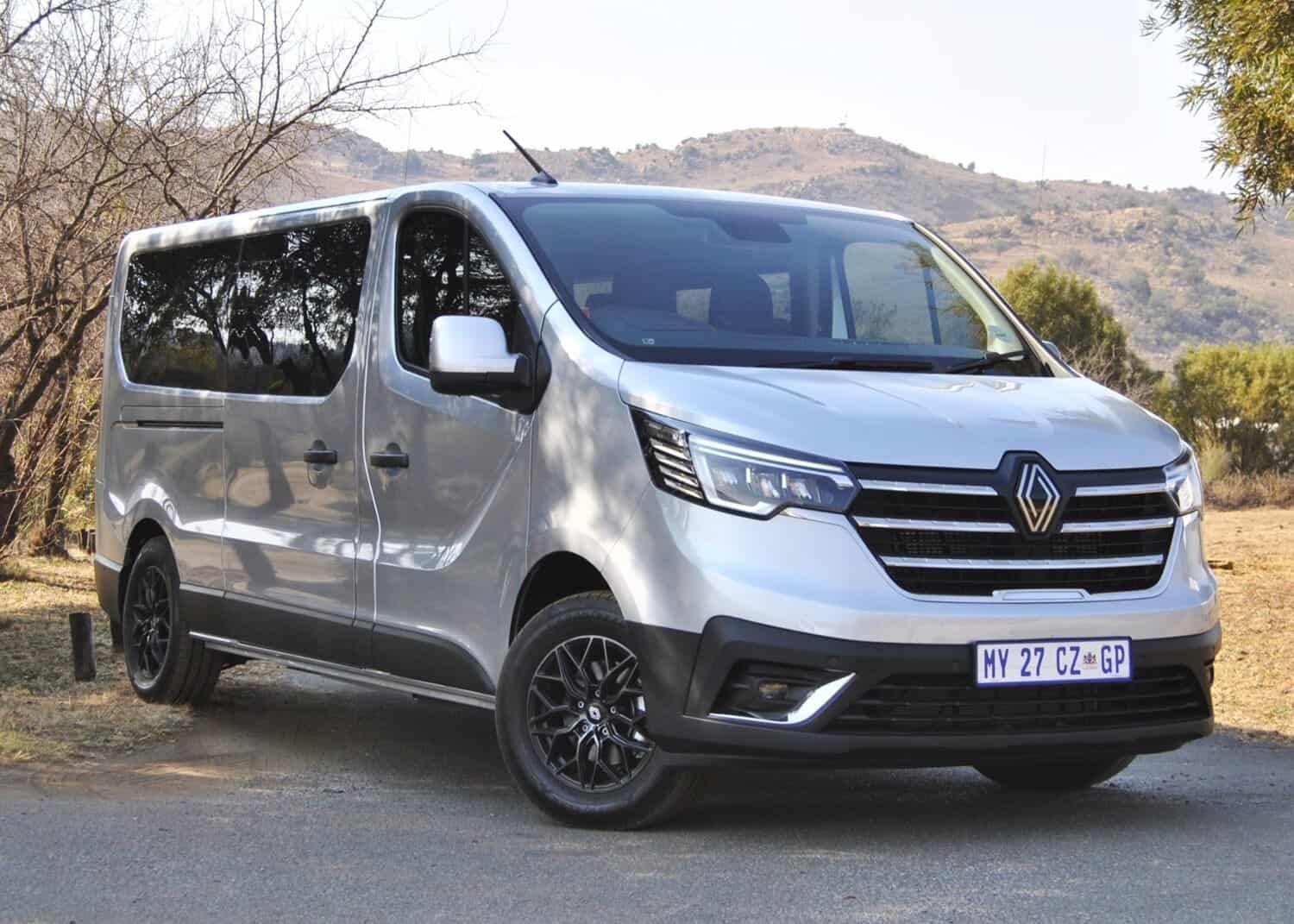
Renault Trafic Returns to South Africa to Disrupt the Local Van Segment
The Renault Trafic has officially returned to the South African market following a launch event in July 2026. The French manufacturer aims to challenge established rivals and disrupt the local commercial and passenger van segments.
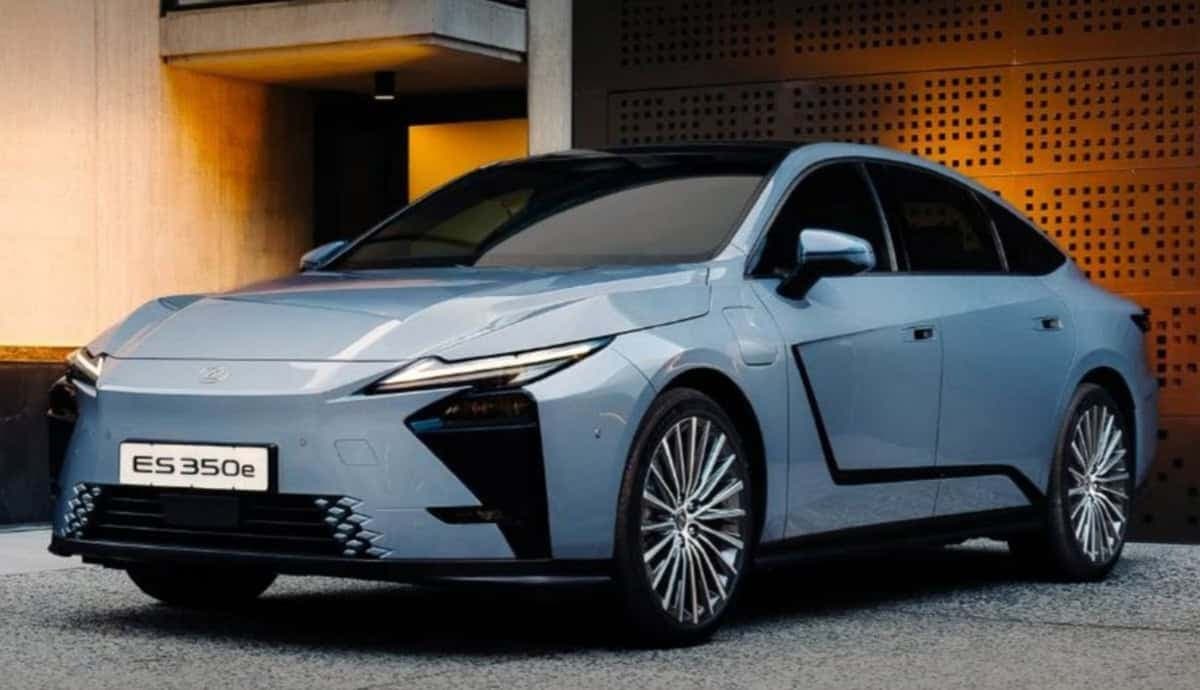
Dramatic New Generation Lexus ES Officially Priced for South Africa
The highly anticipated new generation Lexus ES has officially received its pricing structure for the South African market. This major announcement signals the imminent arrival of the Japanese luxury brand's updated executive sedan.
Audi expands Q2 range with more accessible S Line entry model
Audi is set to broaden its compact SUV offering in South Africa by introducing a more accessible S Line entry-level model. The new derivative aims to make the brand's popular sporty styling package more attainable for local buyers.

PODCAST: All-New Mitsubishi Pajero Set to Face High Expectations Upon Return
A new podcast by South African publication The Citizen highlights the highly anticipated return of the Mitsubishi Pajero. The upcoming off-roader faces the monumental task of living up to the legendary status of its predecessors in a competitive market.
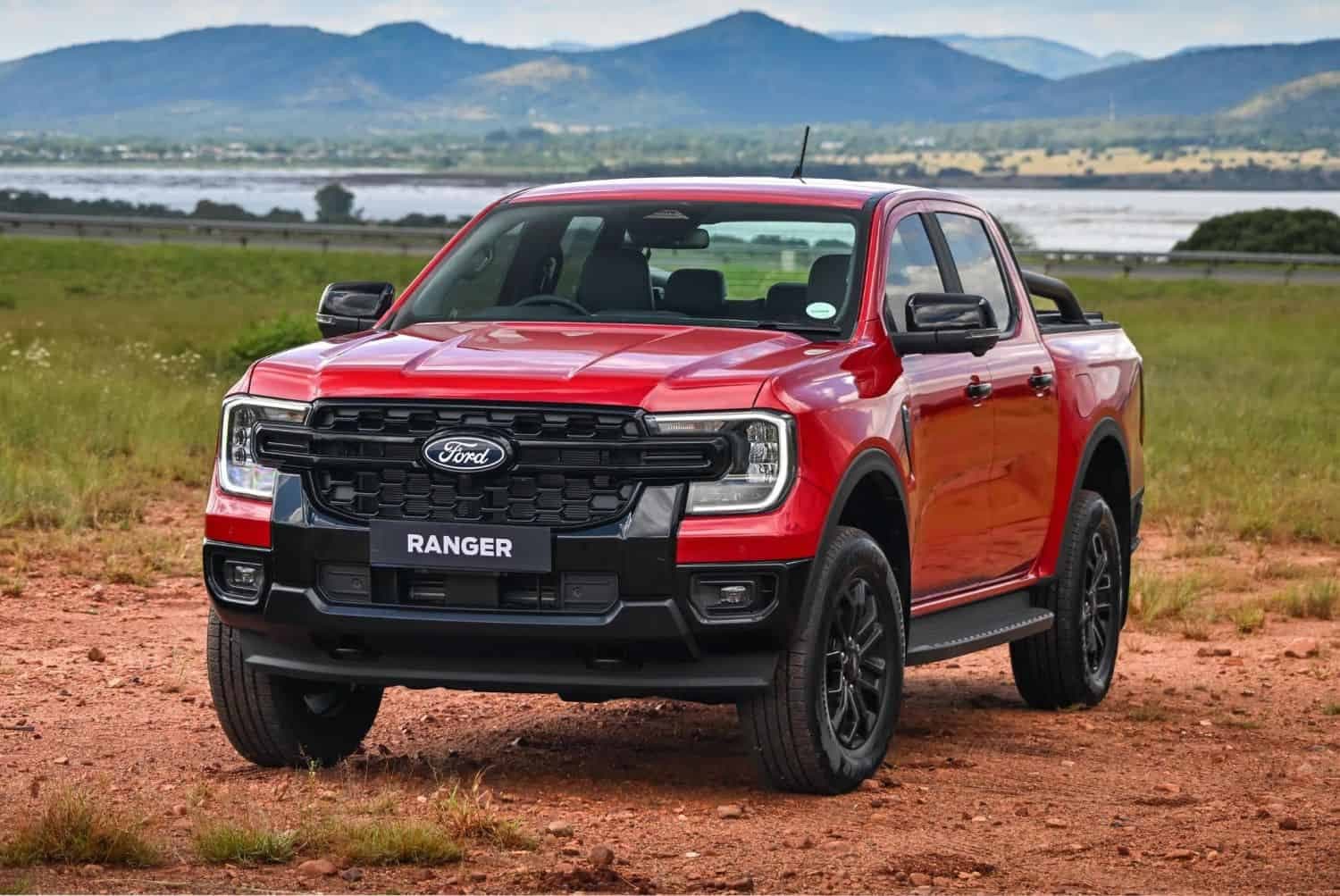
New Motoring Podcast Explores How the 2.3-Litre Ford Ranger Redefines Petrol Bakkies
A newly released podcast by South African publication The Citizen highlights the growing appeal of petrol-powered bakkies. The episode focuses on the 2.3-litre Ford Ranger, positioning it as a highly desirable alternative in a market traditionally dominated by diesel.