Renault Trafic Returns to South Africa to Disrupt the Local Van Segment
The Renault Trafic has officially returned to the South African market following a launch event in July 2026. The French manufacturer aims to challenge established rivals and disrupt the local commercial and passenger van segments.
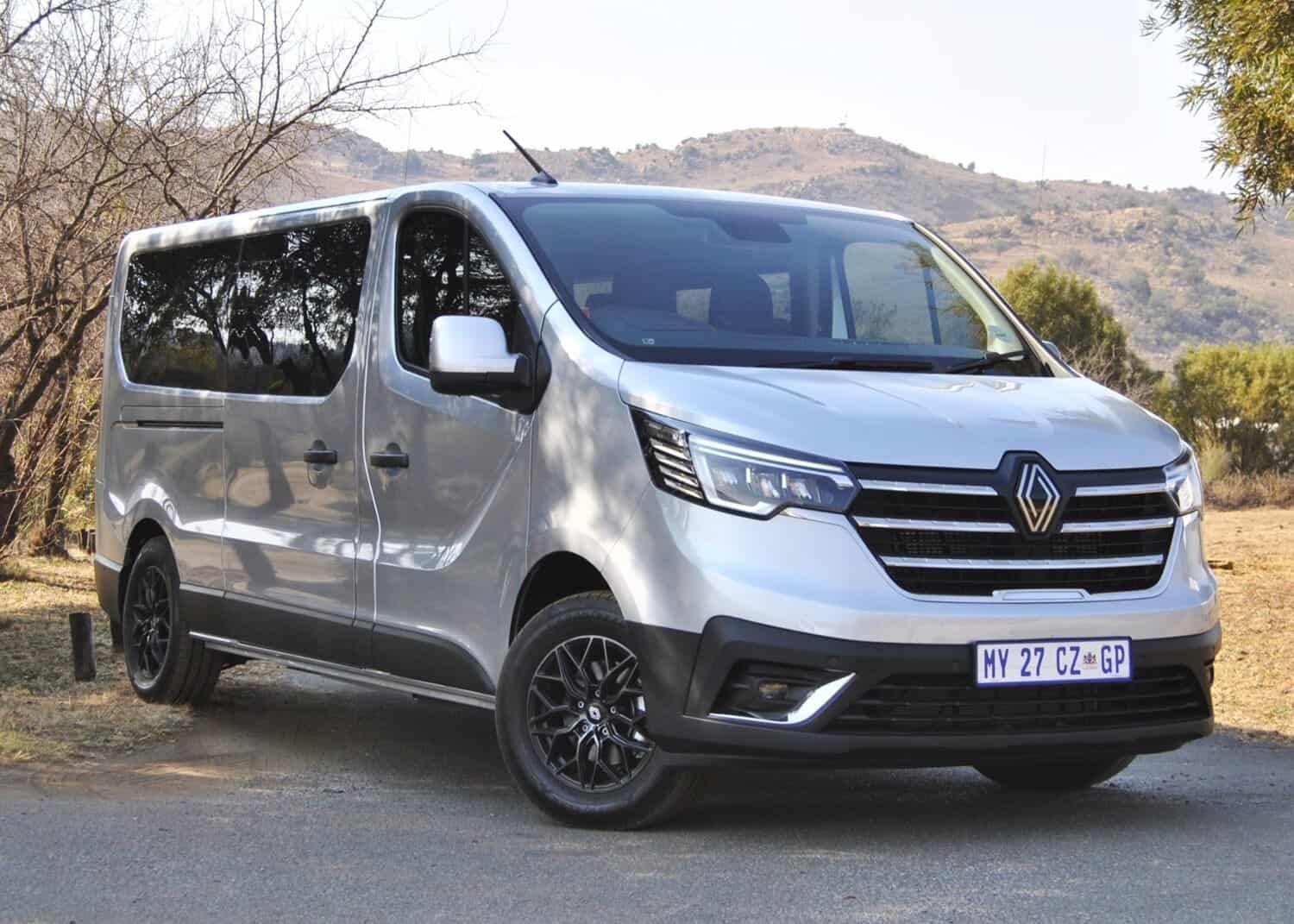
The South African automotive landscape is set for a shake-up as the Renault Trafic officially makes its return to the local market. Announced in late July 2026, the return of this popular mid-sized van signals the French manufacturer's clear intention to disrupt the established flow of the local commercial and passenger vehicle segments. For South African business owners, fleet managers, and motoring enthusiasts, the arrival of the Trafic introduces a competitive alternative in a market segment that demands reliability, utility, and efficiency.
According to initial reports from local motoring media, including coverage by The Citizen during a recent launch and drive event, the Renault Trafic is positioning itself as a serious contender. While the vehicle has had a presence in South Africa in previous generations, this return represents a strategic push by Renault to recapture market share and offer local consumers a refreshed option. The phrase "disrupting segment flow" suggests that Renault is aiming to challenge the dominant players in the medium-sized van sector by offering a compelling balance of features and capability.
At this stage of the local introduction, several specific details regarding the South African line-up remain to be fully detailed. The provided trend data confirms the launch drive event took place in July 2026, but exact pricing structures, model derivatives, and comprehensive technical specifications have not been fully outlined in the initial reports. It remains unclear whether South Africans will receive the Trafic primarily as a cargo-carrying panel van, a dedicated passenger bus, or if both variations will be available simultaneously to cater to different business and lifestyle needs.
The medium-sized van segment in South Africa is traditionally a crucial driver of economic activity. These vehicles serve as the backbone for various industries, including logistics, courier services, tourism, and school transport. Consequently, any new entry or return of an established nameplate like the Trafic is met with keen interest. Fleet operators are constantly on the lookout for vehicles that offer lower total cost of ownership, improved fuel efficiency, and robust after-sales support, which are areas Renault will likely target.
Renault's decision to bring the Trafic back to South African shores also highlights the brand's commitment to diversifying its local product portfolio. While the French automaker has enjoyed success in the passenger vehicle market with its hatchbacks and SUVs, a strong commercial vehicle offering is essential for building long-term brand sustainability in the region. By reintroducing the Trafic, Renault is positioning itself to capture a share of the highly lucrative commercial transport sector.
As the market digests this news, industry observers and potential buyers will be watching closely for further announcements. Crucial factors that will determine the Trafic's success in South Africa include its warranty and service plan offerings, which are vital considerations for commercial buyers who cannot afford vehicle downtime. Additionally, detailed fuel consumption figures and payload capacities will be highly anticipated by businesses looking to optimise their operations.
In conclusion, the return of the Renault Trafic to South Africa is a noteworthy development in the local automotive sector. While many specific details about the local line-up, pricing, and engine options are still to be officially detailed, the initial launch drive has generated significant interest. Motoring enthusiasts and commercial buyers alike should keep a close eye on local dealerships and official Renault communications in the coming weeks for more concrete information on how this van plans to disrupt the segment.
Reporting record
How this story was produced
This article was AI-generated from the frozen trend evidence and passed deterministic quality and safety gates. No cross-provider evidence review or independent human verification is claimed for this record.
- Byline
- Newstrends AI Newsroom
- First published
- Last material update
- No later material update recorded
- Distinct source identifiers
- 1 retained source identifier
Frozen source links for this publication
Chronology
Story timeline
A generated chronology for orientation; dates and details may require source verification.
Update
Local motoring media reports on the official launch drive of the returning Renault Trafic in South Africa.
Reader file
Frequently asked questions
01When was the return of the Renault Trafic announced in South Africa?
The return of the Renault Trafic was highlighted during a local launch and drive event in late July 2026.
02What are the pricing and engine specifications for the South African Renault Trafic?
Exact local pricing, engine specifications, and model derivatives have not been fully detailed in the initial launch reports and remain to be confirmed by Renault South Africa.
03Which segment is the Renault Trafic targeting in South Africa?
The Renault Trafic is aiming to disrupt the medium-sized commercial and passenger van segment in South Africa.
Keep reading
Related coverage
More published reporting connected to this story.

Updated Nissan X-Trail Launches in South Africa with 'More for Less' Value Proposition
The facelifted Nissan X-Trail has officially made its local debut at a South African launch drive. The updated SUV aims to disrupt the competitive mid-size family segment by offering enhanced specifications at a more affordable price point than its predecessor.

Discovery Alerts SA Motorists to Driving Habit Deemed More Dangerous Than Drunk Driving
South African insurer and wellness giant Discovery has issued a significant warning to motorists regarding a driving habit it identifies as more hazardous than driving under the influence. While the specific habit has not yet been disclosed, the severity of the comparison underscores an urgent call for increased road safety awareness among drivers.
Water Bankruptcy in South Africa: What Citizens Need to Know About the Emerging Crisis
Reports emerging on 24 July 2026 have highlighted the growing threat of 'water bankruptcy' in South Africa. This critical concept refers to a state where water demand and financial mismanagement collapse municipal supply chains, urging immediate public awareness.
Joe Mann Departs Jacaranda FM After Seven Years on Air
Radio presenter Joe Mann is bidding farewell to Jacaranda FM after seven years with the station. The announcement of his departure was confirmed by major South African media outlets on Friday.

Winter Gardening Trend Highlights How South Africans Can Listen to Their Plants This Season
A viral lifestyle guide published by The South African highlights the importance of understanding winter garden signals. As mid-winter brings diverse climatic challenges across the country, local gardeners are seeking practical advice to protect their plants.