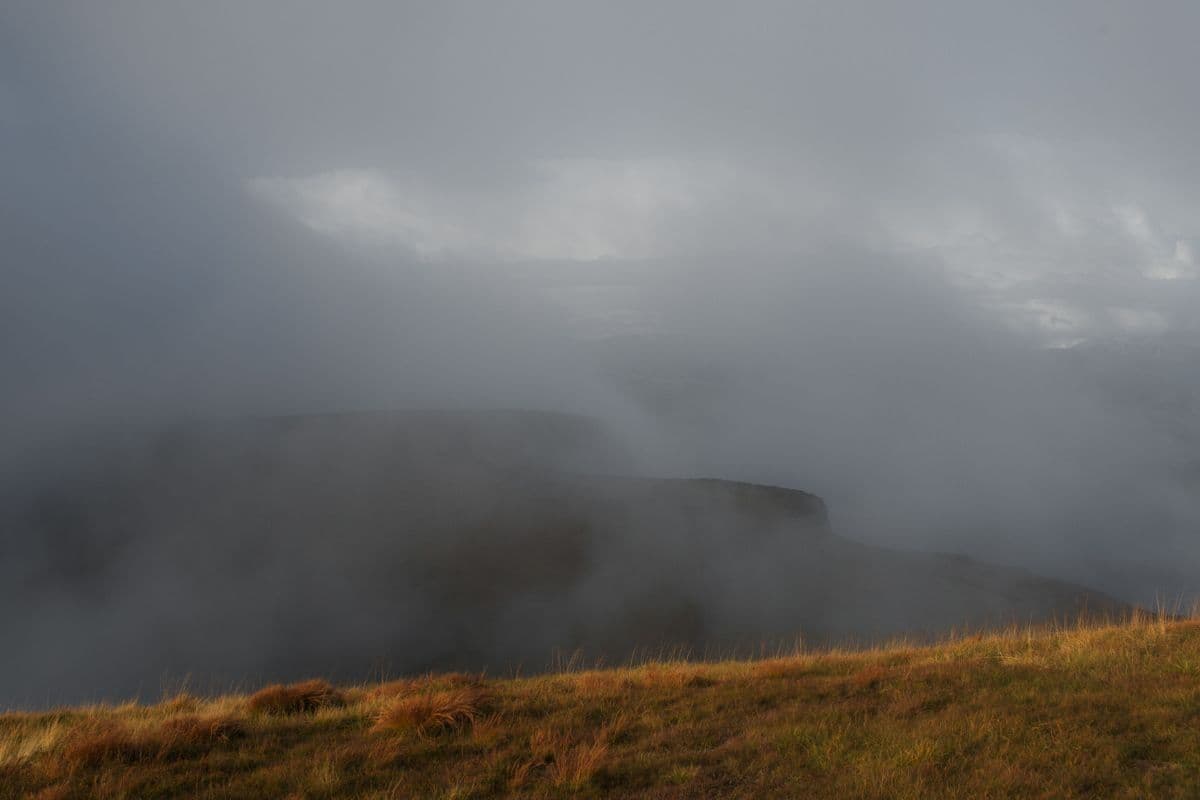
South Africans preparing for their mid-week activities can expect a shift in atmospheric conditions, as morning fog and cloudy spells are forecast to shape the weather on Wednesday, 9 September 2026. The initial weather outlook, captured on the evening of 8 September 2026, indicates that these two main elements will play a significant role in how the day unfolds across the country. While the transition into spring often brings varied conditions, Wednesday's focus remains firmly on early-morning visibility and overcast intervals.
The primary features of Wednesday's weather are the morning fog patches and the subsequent cloudy spells. According to the available data, these conditions are expected to be the defining characteristics of the morning and afternoon periods. The presence of morning fog suggests that early risers and commuters will need to navigate damp, low-visibility environments before the sun manages to break through the cloud cover later in the day.
While the broad pattern of fog and cloudiness has been established, several specific details remain unclear. The initial reports do not provide a localized breakdown of temperatures, wind speeds, or precipitation probabilities for individual provinces. It is currently unknown which specific regions will experience the densest fog or whether the cloudy spells will transition into daytime showers. For residents in major metropolitan areas such as Johannesburg, Cape Town, and Durban, the exact timing of when the fog will clear and how thick the cloud cover will remain throughout the afternoon is still to be determined.
The practical implications of morning fog in South Africa are particularly significant for road safety and daily commutes. Fog drastically reduces visibility on national highways and suburban roads, which often leads to traffic congestion and an increased risk of accidents. Traffic experts generally advise motorists to exercise extreme caution during foggy mornings. This includes reducing speed, maintaining a larger following distance than usual, and utilizing low-beam headlights or dedicated fog lights to ensure visibility to other drivers.
In addition to the fog, the predicted cloudy spells will influence daily routines and energy considerations. With many South African households and businesses now relying on solar energy systems, prolonged periods of cloud cover can noticeably impact solar power generation. Furthermore, cloudy spells typically keep daytime temperatures lower than they would be under clear skies, meaning residents may need to keep warmer clothing on hand despite the arrival of the spring season.
These weather conditions highlight the characteristically unpredictable nature of South African weather during the month of September. As the country transitions from the dry winter months into spring, rapid changes in moisture levels and temperature frequently result in sudden fog and cloud formations. These transitional phases make it essential for citizens to stay informed about daily weather shifts, as conditions can change rapidly over short distances.
For those planning outdoor events or travel on Wednesday, the combination of fog and cloud cover suggests a need for flexibility. Commuters are encouraged to leave earlier than usual to accommodate potential traffic delays caused by reduced visibility. As the day progresses, the cloudy spells may yield to clearer patches, but preparing for a cooler, overcast day remains the most practical approach.
As Wednesday progresses, citizens should monitor local meteorological updates for more precise regional forecasts. While the general outlook of morning fog and cloudy spells provides a helpful baseline, localized alerts will offer the necessary detail regarding temperature maximums, wind patterns, and any potential rain. Staying updated through reliable local news sources will ensure that South Africans can navigate Wednesday's weather safely and efficiently.