Man who raped disabled teenager handed life sentence after father caught him in the act
A South African court has sentenced a man to life imprisonment after he was found raping a disabled teenager. The case drew significant attention after reports indicated the victim's father discovered the attack and confronted the perpetrator before the matter was brought before the courts.
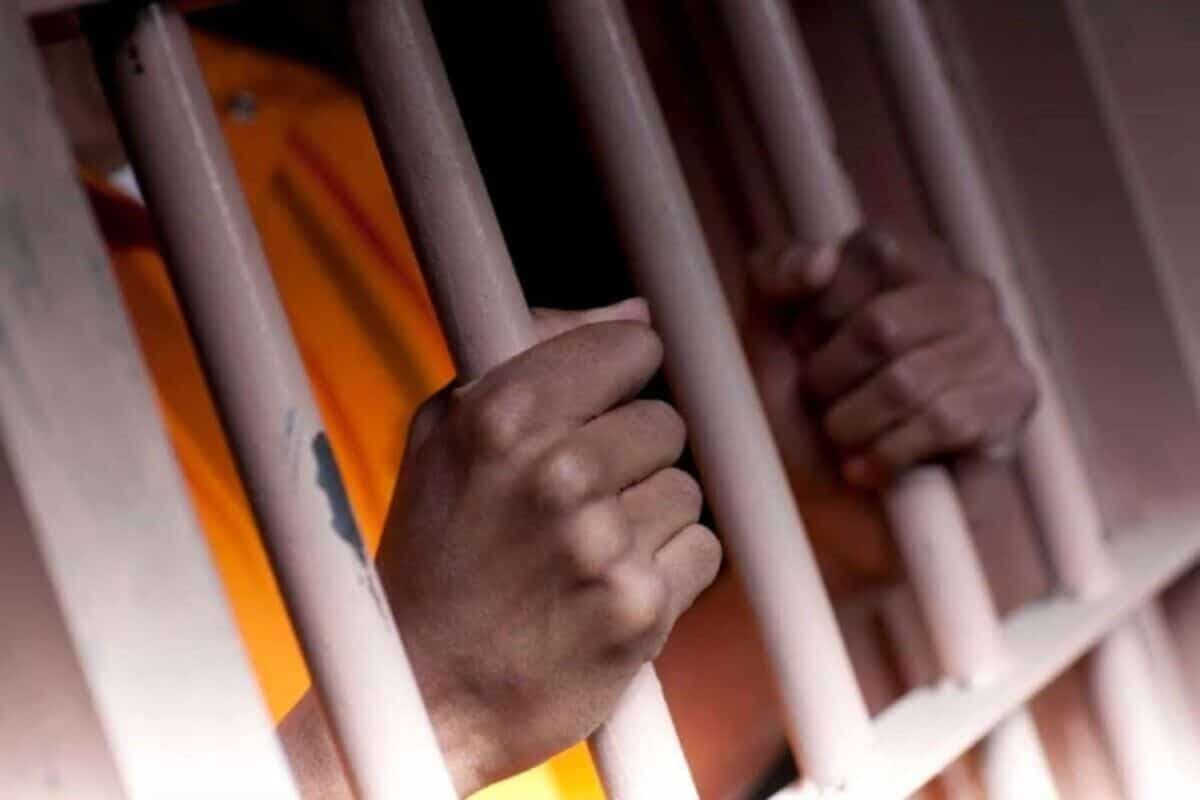
A South African court has handed down a life sentence to a man convicted of raping a disabled teenager, in a case that has captured public attention across the country. The sentencing, reported on 16 October 2026, underscores the judiciary's commitment to imposing the harshest available penalties for the sexual violation of vulnerable individuals — particularly minors living with disabilities.
According to reports from The Citizen, the case took a dramatic turn when the victim's father reportedly walked in on the attack and caught the perpetrator in the act. While the precise details of how the father's intervention influenced the course of the investigation and prosecution remain unclear from the available information, the incident appears to have been pivotal in bringing the case to court and securing a conviction.
Life imprisonment is the mandatory minimum sentence in South Africa for the rape of a person with a disability, as well as for the rape of a child, under Schedule 2 of the Criminal Law Amendment Act. Courts may only depart from this minimum if substantial and compelling circumstances are found to exist. In this instance, no such circumstances appear to have been accepted, and the full weight of the law was applied. The sentence reflects both the severity of the crime and the state's legal obligation to protect those who are least able to protect themselves.
Cases involving the sexual abuse of disabled victims remain deeply troubling in the South African context. People living with disabilities — and disabled children in particular — face a disproportionately high risk of sexual violence, a reality that advocacy groups and child protection organisations have long highlighted. Perpetrators often target victims precisely because their disability may limit their ability to resist, report, or testify about abuse. The fact that it was the victim's father who uncovered this crime raises difficult questions about how many similar cases go undetected and unreported.
The South African criminal justice system has faced sustained criticism over the years for the slow pace of rape trials, low conviction rates, and the perceived leniency of sentencing in certain cases. A life sentence such as this one will be welcomed by victim rights advocates and child protection groups as an example of the system functioning as it should — holding perpetrators fully accountable and sending a clear deterrent message to would-be offenders.
For survivors of sexual abuse and their families, the road to justice is seldom straightforward. Cases that reach the sentencing stage represent only a fraction of reported incidents, and reporting rates for sexual offences in South Africa remain low, particularly in communities where stigma, distrust of authorities, or fear of retaliation discourages victims from coming forward. The courage it takes for families to pursue cases through the courts — often over months or years — should not be underestimated.
It is also worth noting what remains unknown at this stage. The identity of the convicted man, the specific jurisdiction in which the case was heard, and further details about the victim's circumstances have not been disclosed in the available reporting — a standard and appropriate measure to protect the privacy and dignity of the victim, who is both a minor and a person with a disability. South African law prohibits the publication of information that could identify victims of sexual offences.
Child protection advocates are likely to point to this case as a reminder that communities, caregivers, and institutions must remain vigilant. Disabled children, in particular, may require additional layers of safeguarding, including accessible channels for reporting abuse and support systems tailored to their needs. Parents and guardians are encouraged to be aware of the warning signs of abuse and to report any suspicions to the South African Police Service or organisations such as Childline South Africa.
As South Africa continues to grapple with persistently high rates of gender-based violence and child abuse, this life sentence serves as a stark reminder of both the gravity of crimes against vulnerable victims and the potential consequences for those who commit them. Readers will want to watch for any further reporting that may emerge regarding the specifics of the case and any broader policy discussions it may prompt around the protection of disabled children in South Africa.
Reporting record
How this story was produced
This article was AI-generated from the frozen trend evidence and passed deterministic quality and safety gates. No cross-provider evidence review or independent human verification is claimed for this record.
- Byline
- Newstrends AI Newsroom
- First published
- Last material update
- No later material update recorded
- Distinct source identifiers
- 1 retained source identifier
Frozen source links for this publication
Chronology
Story timeline
A generated chronology for orientation; dates and details may require source verification.
Update
South African court hands down life sentence to man convicted of raping a disabled teenager; case reported by The Citizen.
Update
Victim's father reportedly discovers the attack in progress and confronts the perpetrator, leading to the matter being brought before the courts.
Reader file
Frequently asked questions
01What sentence did the man receive for raping a disabled teenager?
The man was sentenced to life imprisonment by a South African court, as reported on 16 October 2026.
02How was the perpetrator caught?
According to available reports, the victim's father walked in and caught the perpetrator in the act of committing the rape.
03Is life imprisonment the standard sentence for raping a disabled person in South Africa?
Yes. Under Schedule 2 of South Africa's Criminal Law Amendment Act, life imprisonment is the mandatory minimum sentence for the rape of a person with a disability or a child, unless substantial and compelling circumstances exist to justify a lesser sentence.
04Why are the names of those involved not published?
South African law prohibits the publication of any information that could identify victims of sexual offences, especially where the victim is a minor. This protection applies regardless of the outcome of the case.
Keep reading
Related coverage
More published reporting connected to this story.
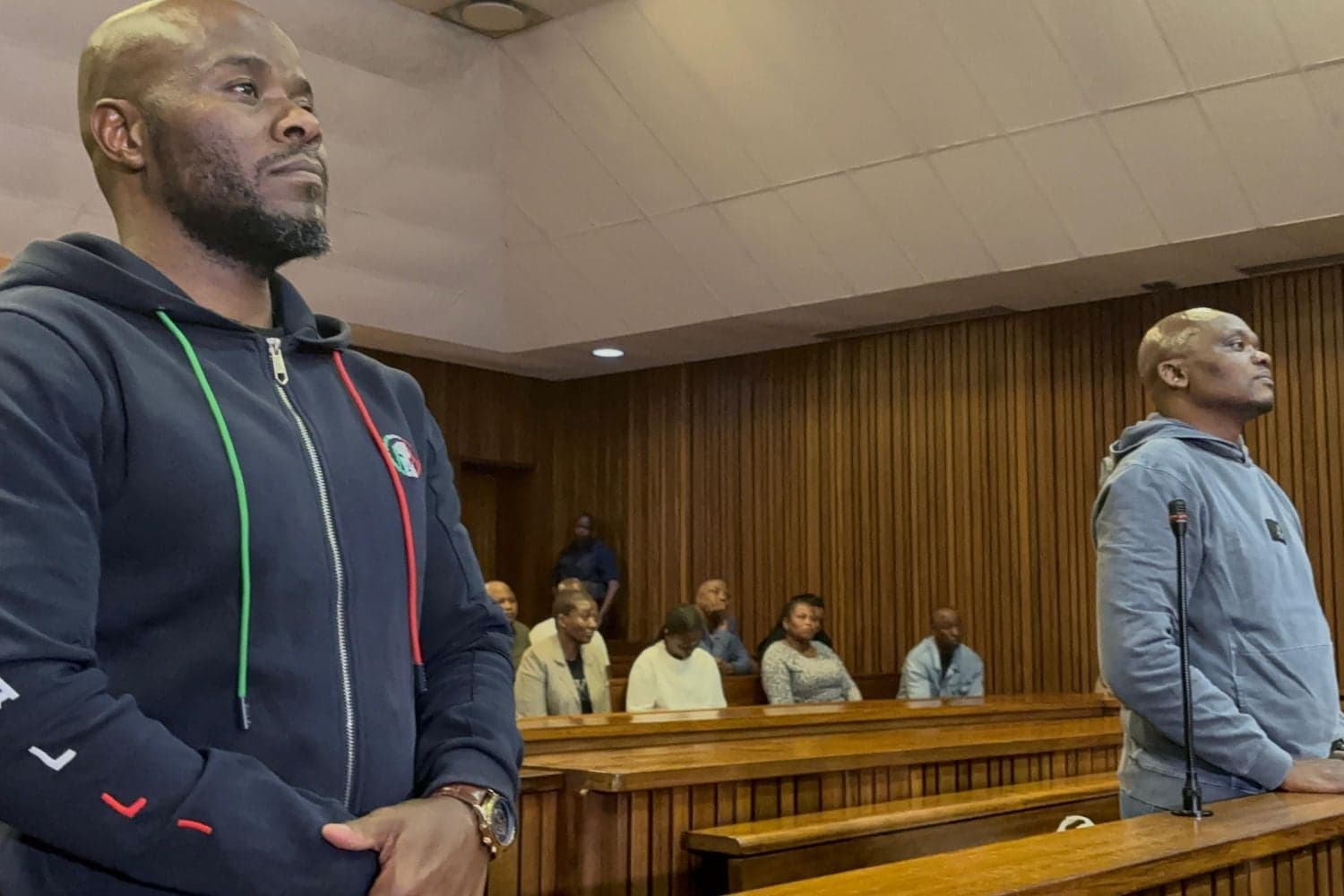
Life Sentences for Killers Rassie Nkune and Former Police Officer Jacob Chego After Brutal Execution of Couple
Two men, including a former police officer, have been sentenced to life imprisonment in South Africa for murdering a couple in front of their children. The severe ruling has sparked widespread public discussion on police integrity and the trauma experienced by child witnesses.

Pastor accused of murdering baby allegedly took out insurance policies in her mother's name
A South African pastor facing murder charges in connection with the death of a baby has allegedly taken out insurance policies in the child's mother's name. The case has drawn significant public attention as new financial details emerge. The matter is before the courts, and key facts are still being established.

Sello Maake kaNcube Launches Men-Focused Movement as 'Reformed Abuser'
Prominent South African public figure Sello Maake kaNcube has launched a new men-focused movement aimed at addressing behavioral change. Describing himself as a 'reformed abuser', his initiative has sparked a vital national conversation regarding male accountability and gender-based violence.
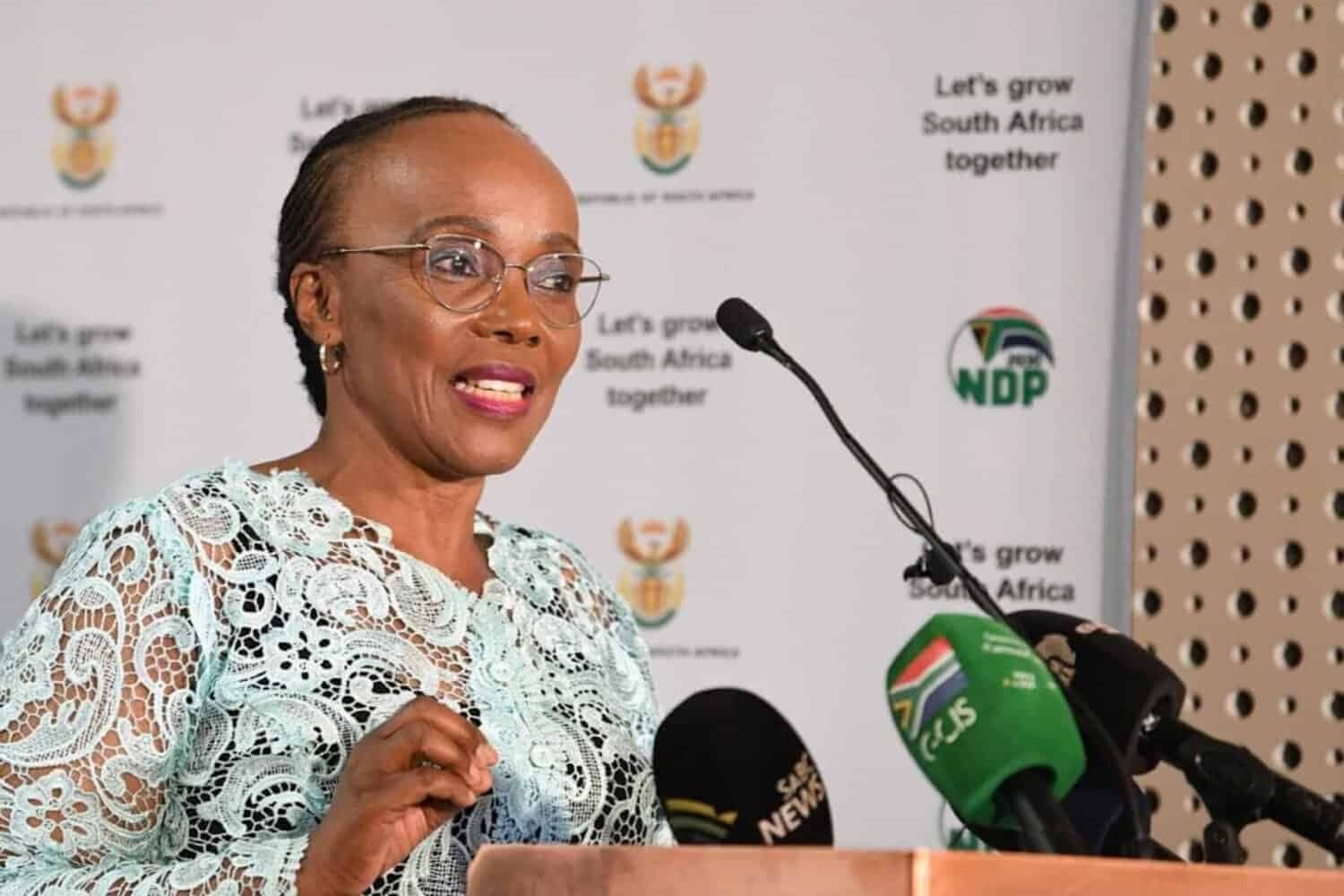
Chikunga Demands Urgent Action After Women Attacked While Exercising
Public figure Sindisiwe Chikunga has called for decisive action following a concerning attack on women while they were exercising. The incident has sparked widespread public concern and highlighted ongoing safety challenges in South African public spaces.
Six Women Killed Every Day: South Africa's Deadly War on Women Continues
A stark report highlights that an average of six women are killed every day in South Africa. This devastating statistic underscores the country's ongoing crisis of gender-based violence and the urgent need for systemic reform.