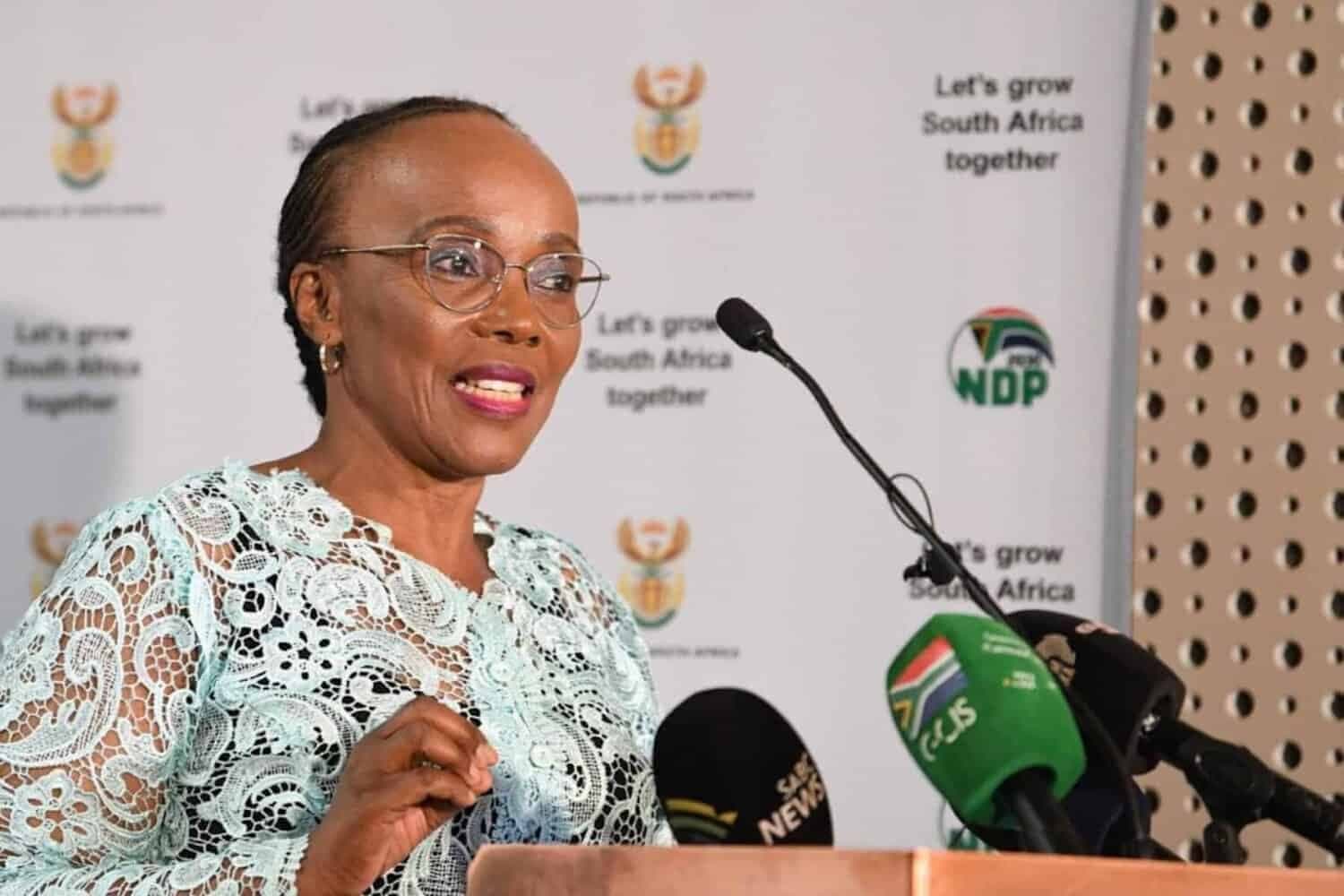
In a development that has sparked widespread public concern across South Africa, prominent public figure Sindisiwe Chikunga has strongly demanded immediate action following a recent attack on women who were exercising. The calls for accountability and swift intervention come in the wake of reports published on 13 September 2026, highlighting the ongoing vulnerabilities faced by women utilising public spaces for physical fitness and recreation. While initial details surrounding the incident remain limited, the demand for decisive action has rapidly gained traction online and within local communities.
At the time of reporting, the precise location of the attack, the exact number of women targeted, and the severity of their injuries have not been publicly detailed. Furthermore, the specific identities of the perpetrators and the exact nature of the confrontation remain unclear. Despite these gaps in the initial reports, the intervention by Chikunga has elevated the incident into the national spotlight, reflecting a deep-seated frustration with safety standards in public areas. The lack of immediate specifics underscores the early stages of the developing situation and the urgent need for comprehensive updates from law enforcement agencies.
The demand for action by Chikunga carries significant weight given her prominent standing in South African public life. When high-profile figures speak out on issues of public safety and violence against women, it often forces a faster response from policing authorities and policymakers. In this instance, her vocal stance serves as a rallying cry for stronger protection measures, demanding that safety is treated as a fundamental right rather than a luxury for citizens engaging in everyday outdoor activities.
Safety while exercising outdoors has long been a contentious and deeply worrying issue for South Africans, particularly women. Runners, walkers, and cyclists frequently navigate concerns regarding personal safety in parks, on suburban streets, and along public trails. This latest incident taps into broader national anxieties surrounding gender-based violence and the general lack of security in communal spaces. The viral nature of the report reflects a collective exhaustion among citizens who feel that basic activities, like exercising to maintain physical health, should not carry such high levels of personal risk.
For local communities and fitness groups, this incident serves as another sobering reminder of the precautions many feel forced to take. It raises practical questions about the role of local municipalities, community policing forums, and private security companies in safeguarding public recreational zones. Many residents may now feel compelled to adjust their routines, exercise only in larger groups, or avoid certain areas entirely until more information is released and security measures are visibly enhanced.
Moving forward, observers and community members will be closely watching for official statements from the South African Police Service regarding any investigations initiated in response to this attack. Key details that need to be clarified include whether any suspects have been identified or arrested, and what specific safety measures will be implemented in the affected areas. Additionally, the public will be looking to see how local authorities respond to Chikunga's demands and whether this pressure translates into increased visible policing or improved infrastructure, such as better lighting and surveillance in public parks.
As this story continues to develop, it highlights the ongoing struggle to secure public spaces for all South Africans. The demand for action following the attack on these exercising women is not just a call for justice in a single incident, but a demand for systemic change in how public safety is managed. Until concrete details emerge and decisive steps are taken by authorities, the community remains on high alert, hoping that this high-profile intervention will finally yield the tangible security improvements that citizens have long been advocating for.