Life Sentences for Killers Rassie Nkune and Former Police Officer Jacob Chego After Brutal Execution of Couple
Two men, including a former police officer, have been sentenced to life imprisonment in South Africa for murdering a couple in front of their children. The severe ruling has sparked widespread public discussion on police integrity and the trauma experienced by child witnesses.
![Killers jailed for life after murdering couple in front of their children [VIDEO]](/_next/image?url=https%3A%2F%2Fmedia.citizen.co.za%2Fwp-content%2Fuploads%2F2026%2F09%2FRassie-Hlabirwa-Nkune-and-former-police-officer-Jacob-Mothibe-Chego.jpg&w=3840&q=75)
In a significant ruling that has gripped the South African public, two men have been sentenced to life imprisonment for the brutal murder of a couple who were executed in front of their children. The sentencing, which concluded in early September 2026, brings a close to a trial that has highlighted the devastating impact of violent crime on families and communities across the country. The convicted individuals have been identified as Rassie Hlabirwa Nkune and Jacob Mothibe Chego, the latter being a former police officer.
The involvement of a former law enforcement officer in such a heinous act has sent shockwaves through South African society. Jacob Mothibe Chego’s transition from a protector of the public to a convicted murderer underscores ongoing concerns regarding criminality within and around the police service. Alongside his co-accused, Rassie Hlabirwa Nkune, Chego faces the harshest penalty available under South African law, reflecting the court's severe view of their actions and the abuse of a position of trust.
The details surrounding the crime are particularly harrowing. The victims, a couple whose names have not been widely publicized in initial media reports, were executed in their home or immediate surroundings. Crucially, the entire ordeal took place in the direct presence of their children. The psychological trauma inflicted upon these young witnesses has been a central point of public outrage and concern, raising serious questions about the long-term support and protection available to child victims of violent crime in South Africa.
In South Africa, the imposition of a life sentence is reserved for the most egregious offences, serving as both a punitive measure and a deterrent. The decision by the judiciary to hand down life terms to both Nkune and Chego is seen as a firm stance against the scourge of violent crime and farm or home invasions that continue to plague local communities. For many South Africans, the verdict represents a crucial step toward justice, though it cannot undo the profound loss suffered by the victims' family.
The case has generated intense interest online and in local media, quickly becoming a viral news topic. Outlets such as The Citizen have provided extensive coverage, including video footage of the court proceedings, which has fueled public discourse. Social media platforms have been flooded with reactions, with many citizens expressing relief at the heavy sentences while simultaneously calling for systemic reforms to prevent former police officers from utilizing their training and access for criminal enterprises.
Despite the conclusion of the trial and the sentencing, several details regarding the incident remain unclear to the general public. The precise motive behind the executions has not been fully disclosed in the initial reports, leaving many to wonder whether this was a targeted hit, a robbery gone wrong, or linked to other criminal activities. Furthermore, the exact geographic location of the crime within South Africa and the current custody and welfare status of the surviving children have not been detailed, as authorities often protect the privacy of minors in such sensitive cases.
Looking forward, the legal and social implications of this case will continue to unfold. Legal experts suggest watching for any potential appeal applications from the legal representatives of Nkune and Chego, which is a common next step in high-profile life sentence rulings. Additionally, civil society organisations are expected to use this case to advocate for stronger mental health support frameworks for child witnesses who are forced to navigate the aftermath of extreme violence.
As South Africa continues to grapple with high rates of violent crime, the sentencing of Rassie Hlabirwa Nkune and Jacob Mothibe Chego serves as a stark reminder of the challenges facing the justice system. The public will undoubtedly keep a close eye on any further statements from the National Prosecuting Authority (NPA) or the South African Police Service (SAPS) regarding the case, as well as broader policy discussions on police vetting and community safety.
Reporting record
How this story was produced
This article was AI-generated from the frozen trend evidence and passed deterministic quality and safety gates. No cross-provider evidence review or independent human verification is claimed for this record.
- Byline
- Newstrends AI Newsroom
- First published
- Last material update
- No later material update recorded
- Distinct source identifiers
- 1 retained source identifier
Frozen source links for this publication
Chronology
Story timeline
A generated chronology for orientation; dates and details may require source verification.
Update
Sentencing details are published by local media, confirming life imprisonment for the killers.
Reader file
Frequently asked questions
01Who were the individuals sentenced in this case?
The convicted individuals are Rassie Hlabirwa Nkune and Jacob Mothibe Chego, a former South African police officer.
02What sentence did the court hand down?
Both men were sentenced to life imprisonment for the murders.
03What makes this case particularly notable?
The murder was carried out in front of the couple's children, and one of the perpetrators was a former law enforcement officer.
Keep reading
Related coverage
More published reporting connected to this story.
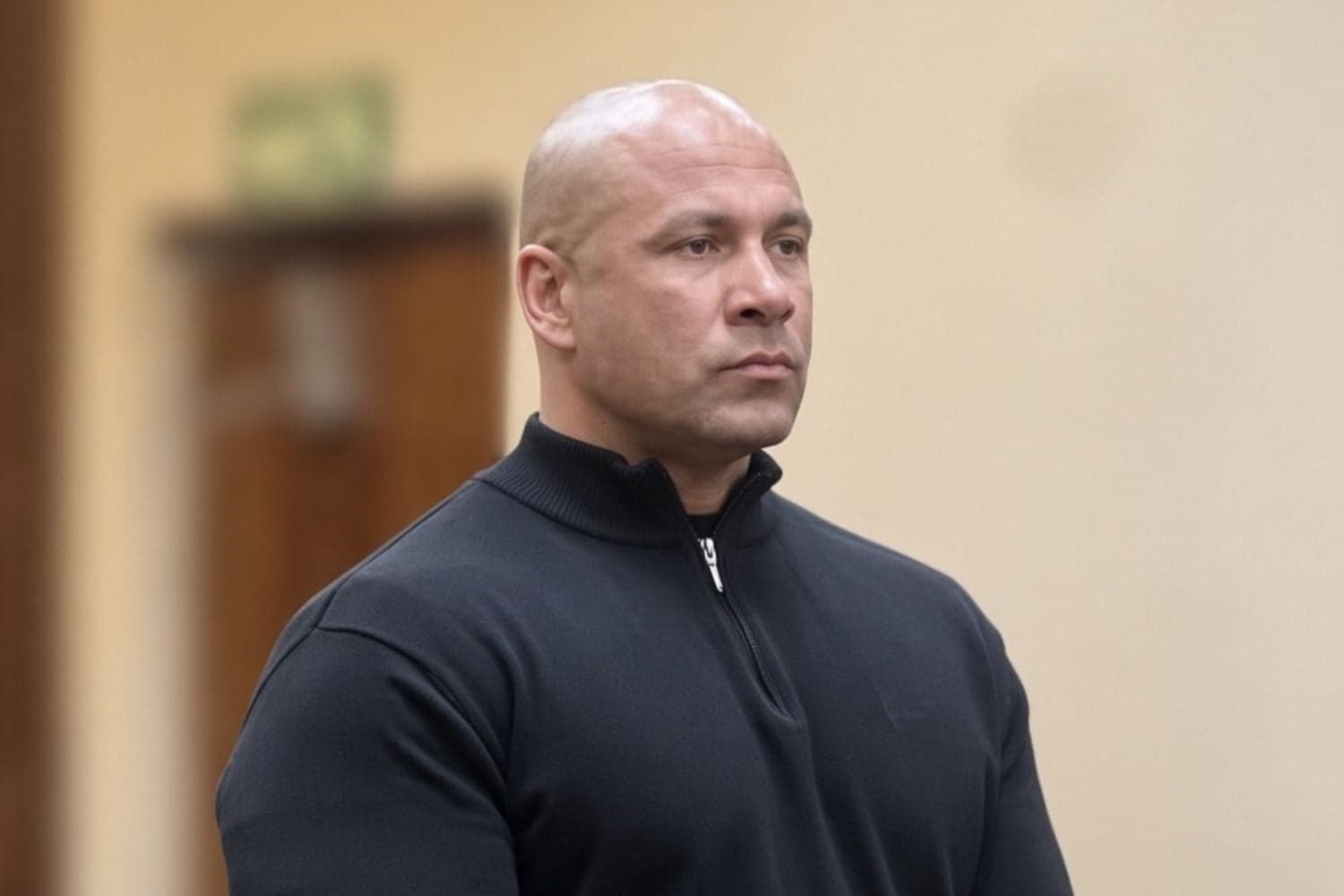
Stuart Scharnick remanded in custody on firearm charges
Stuart Scharnick is set to remain behind bars after being remanded in custody on gun charges. The decision highlights the strict approach South African courts take toward firearm-related offences as the investigation continues.
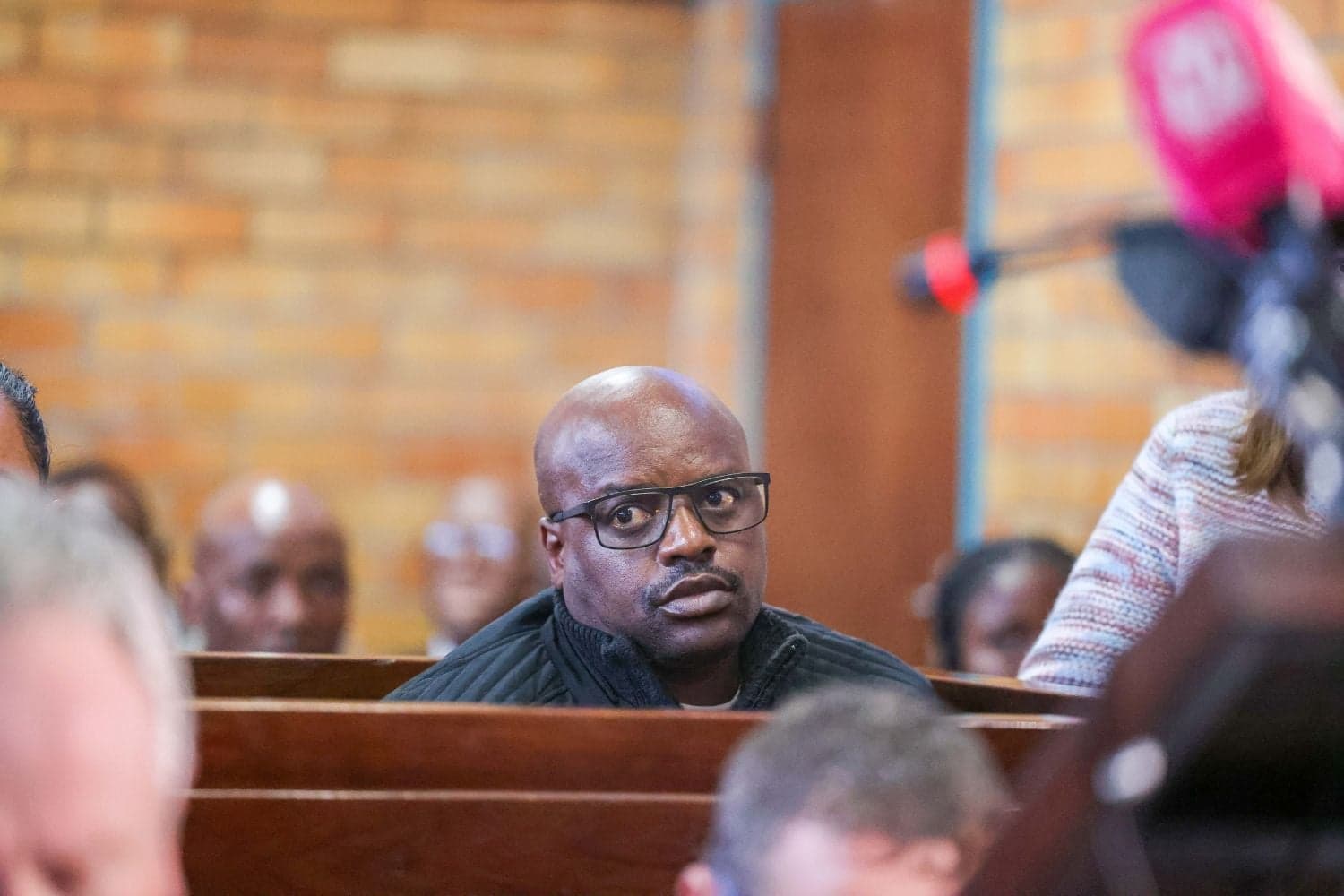
Julius Mkhwanazi Calls for Lesser Charge as Emmanuel Mbense Murder Case is Postponed
The murder case against Julius Mkhwanazi, accused of killing Emmanuel Mbense, has been postponed. Mkhwanazi is arguing that he should face a lesser charge instead of murder as the legal process unfolds.
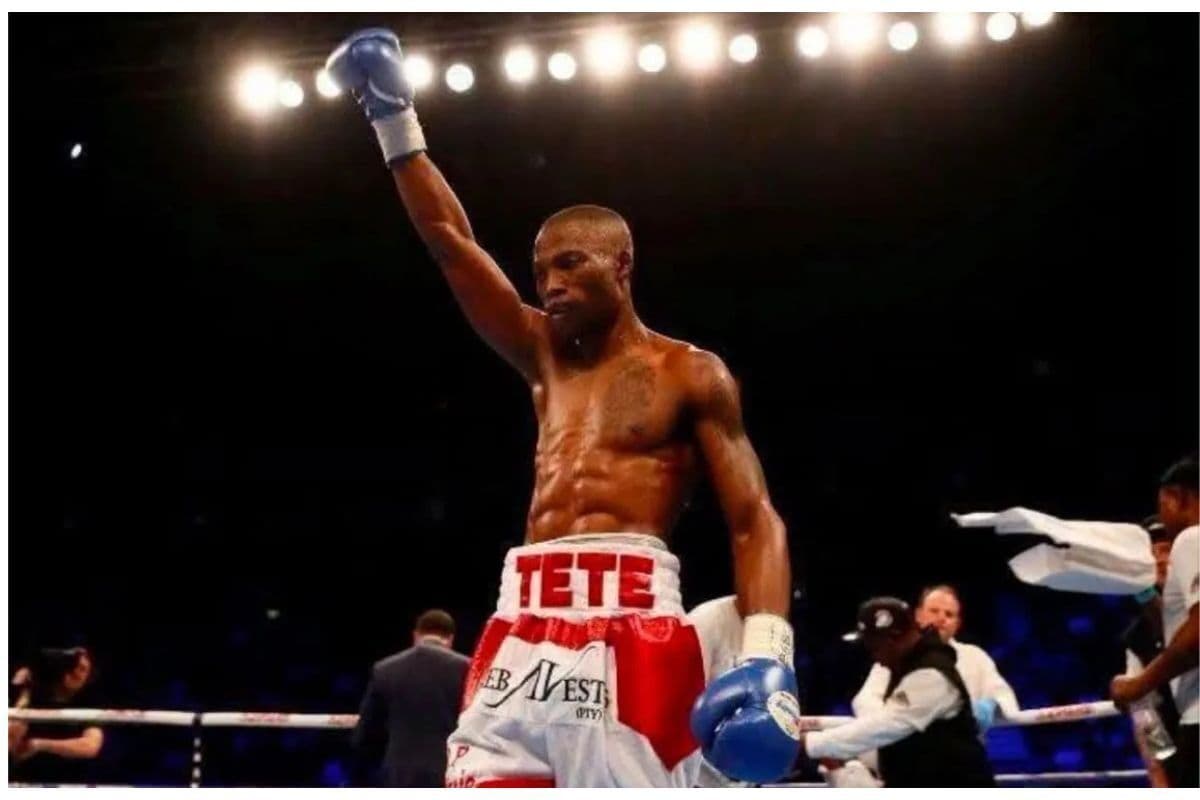
Two arrested over the murder of South African boxer Zolani Tete
Authorities have arrested two suspects in connection with the murder of boxer Zolani Tete. The breakthrough marks a significant development in the investigation as the public awaits further details on the charges and legal proceedings.
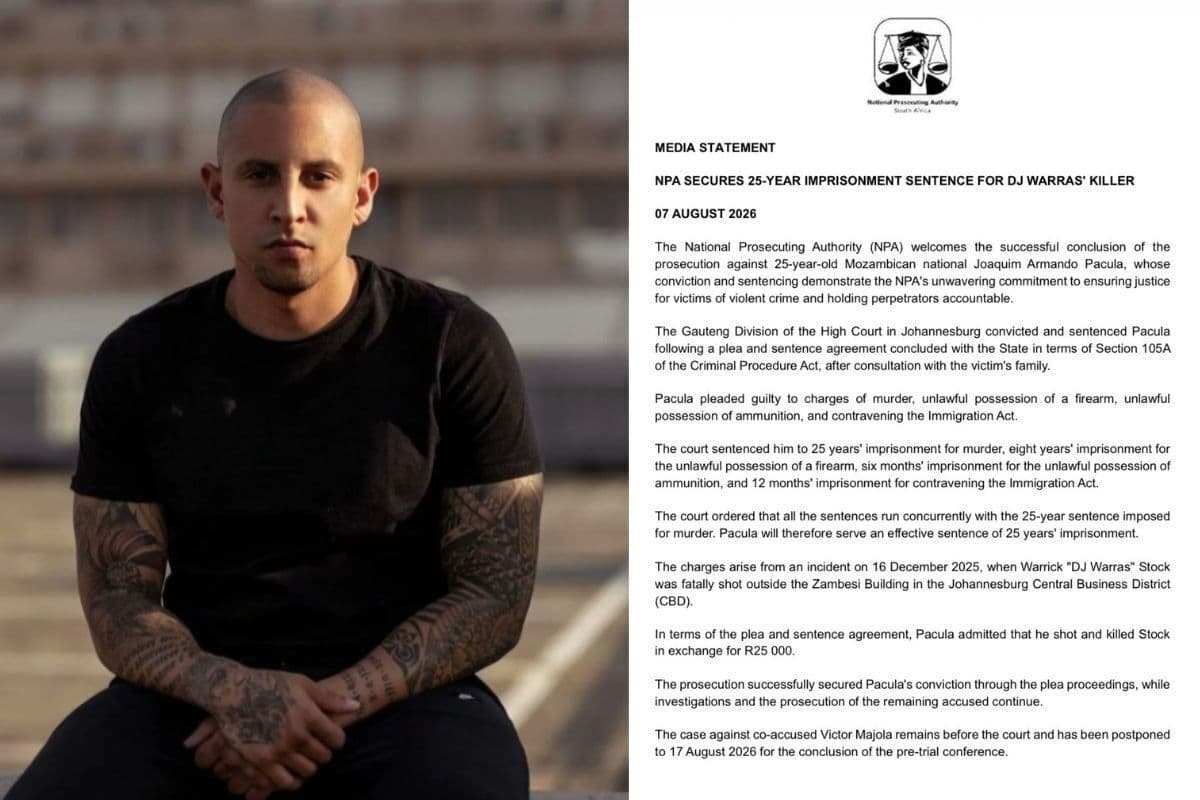
DJ Warras Murder: Convicted Killer Reveals Payment Details as Police Share How They Tracked Him Down
A convicted killer in the DJ Warras murder case has revealed the payment received for the hit. Police have also detailed the tracking methods used to apprehend the perpetrator, marking a major step in the high-profile investigation.
Manhunt Launched in Limpopo After Elderly Passenger Shot Dead in Hijacking
Police in Limpopo have initiated a manhunt for suspects who shot and killed an elderly passenger during a vehicle hijacking. The incident has raised fresh concerns over road safety and the vulnerability of elderly passengers in South Africa.