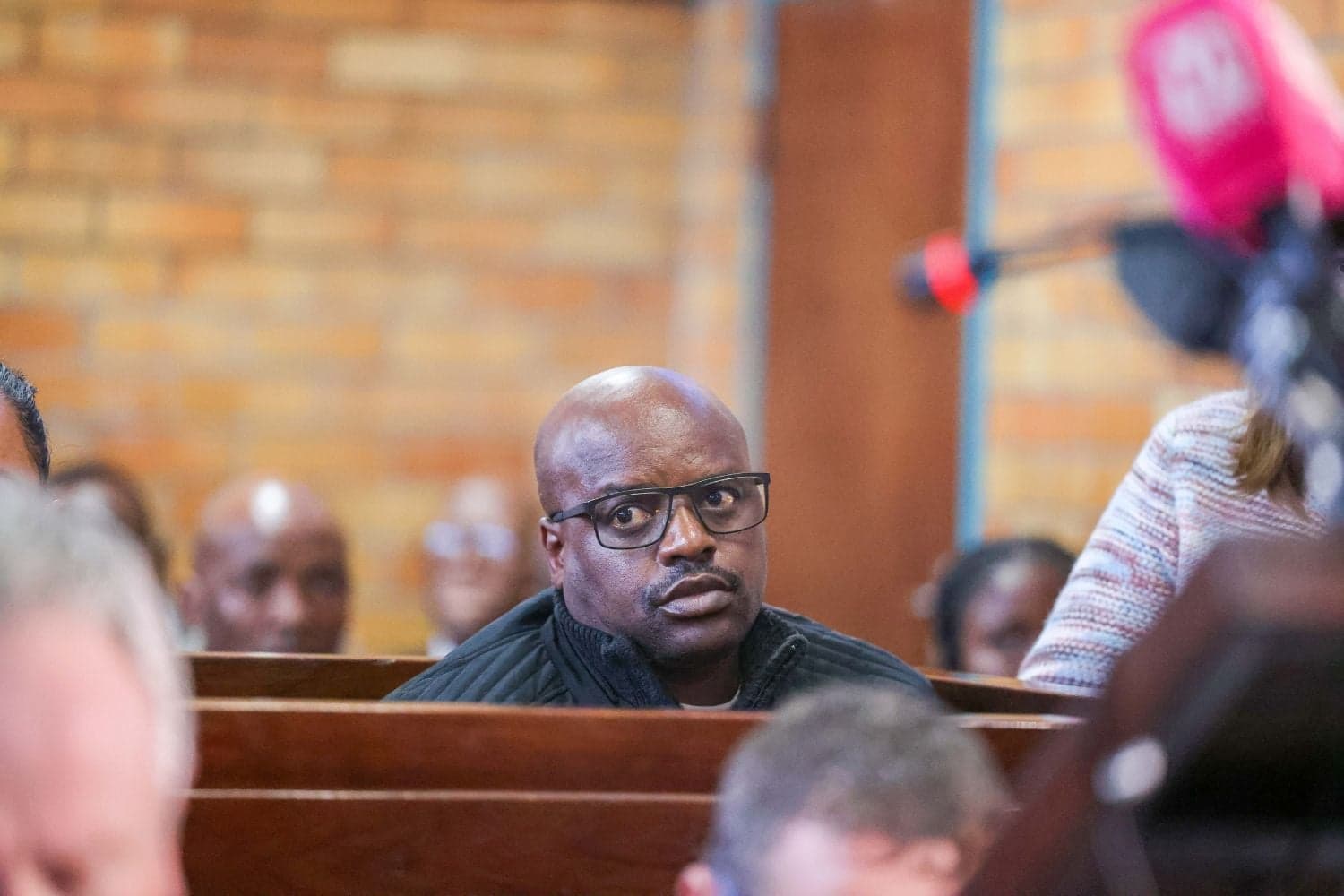
The murder case against Julius Mkhwanazi, who stands accused of the killing of Emmanuel Mbense, has been postponed, marking another delay in a legal process that has drawn significant attention. During the recent court appearance, the accused raised a critical legal argument, asserting that the state should prosecute him on a lesser charge rather than the primary count of murder. This development has shifted the focus of the proceedings toward the specific nature of the charges and the legal definitions that will govern the trial moving forward.
The postponement of the matter, confirmed in early August 2026, allows both the prosecution and the defense additional time to prepare their respective cases. In South African jurisprudence, postponements are frequently granted to ensure that all administrative and investigative requirements are fully met before a trial commences. For the family of Emmanuel Mbense, however, the delay represents a prolonged wait for closure and justice, a common challenge faced by victims' families navigating the country's backlogged judicial system.
At the heart of the current legal debate is Mkhwanazi’s contention that the circumstances of the incident do not warrant a murder charge. In South Africa, a charge of murder requires the state to prove intent, known legally as dolus, beyond a reasonable doubt. By arguing for a lesser charge, Mkhwanazi's legal team is likely aiming to have the charge reduced to culpable homicide, which is defined as the unlawful, negligent killing of another human being, or another lesser offense. The distinction between intent and negligence is crucial, as it carries vastly different sentencing implications under the minimum sentencing legislation of South Africa.
While the precise details of the incident leading to Mbense's death have not been fully ventilated in open court, the involvement of the Ekurhuleni Metropolitan Police Department (EMPD) has been highlighted in reports surrounding Mkhwanazi’s arrest. The role of metro police departments in local law enforcement and their conduct during arrests or public interactions are often subject to intense public scrutiny. Whether the incident occurred during an official law enforcement operation or in a private capacity remains one of the key details that the court will need to establish as the trial progresses.
The National Prosecuting Authority (NPA) now faces the task of reviewing Mkhwanazi’s representations regarding the charges. The NPA must weigh the available evidence, including forensic reports, eyewitness testimonies, and any physical evidence gathered by investigators, against the legal thresholds for murder and culpable homicide. If the state believes it has a strong case for premeditated or intentional murder, it is likely to resist any attempts by the defense to secure a plea bargain or a reduction in the charges.
For the general public and civil society groups monitoring the case, the outcome of these preliminary legal skirmishes is of vital importance. Cases involving violent deaths, particularly those with connections to law enforcement agencies like the EMPD, raise serious questions about accountability, the use of force, and the integrity of the justice system. A transparent trial is seen as essential for maintaining public trust in both the police service and the courts.
As the case stands postponed, the next court appearance will be highly anticipated. Observers will be watching closely to see whether the state will proceed with the murder charge or if a formal agreement will be reached to proceed on a lesser count. Until then, Julius Mkhwanazi remains facing the gravity of the legal system, while the memory of Emmanuel Mbense remains central to a search for accountability that is still far from resolved.