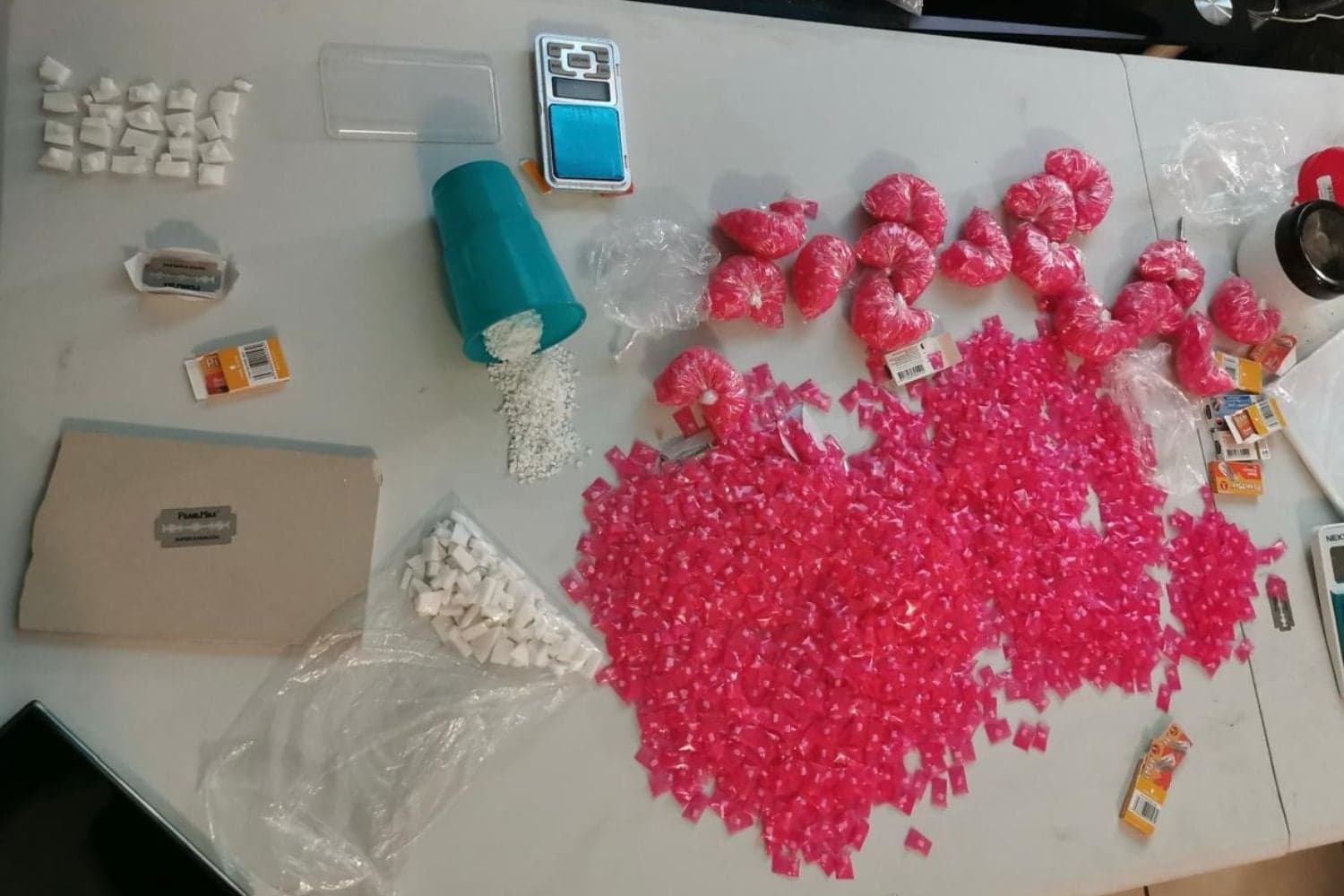
Three suspects have been arrested in KwaZulu-Natal (KZN) following a significant police operation that led to the seizure of rock cocaine valued at an estimated R1 million. The arrest of the trio represents another notable development in the ongoing efforts by law enforcement to curb the distribution of illicit substances within the province.
At this stage of the investigation, specific details regarding the exact location of the bust within KwaZulu-Natal, the identities and ages of the arrested individuals, and the precise police units involved have not been publicly detailed in the initial reports. This lack of immediate detail is common in ongoing narcotics investigations where police may still be pursuing further leads, searching for accomplices, or processing the crime scene for forensic evidence.
The R1 million valuation of the seized rock cocaine highlights the scale of the operation. In the South African context, a drug seizure of this magnitude represents a substantial financial blow to local illicit drug supply networks. Rock cocaine, a highly addictive derivative of cocaine, remains a major concern for law enforcement agencies across the country, particularly in major coastal and urban hubs such as those found throughout KwaZulu-Natal.
Under South African law, individuals arrested on suspicion of drug dealing or possession are typically scheduled to appear in a local magistrate's court within 48 hours of their arrest, excluding weekends and public holidays. During this initial court appearance, the suspects are expected to face formal charges related to the possession of and dealing in illicit substances. At that point, the state will likely outline its preliminary case, and the issue of bail will be addressed.
KwaZulu-Natal has frequently been highlighted in national crime statistics as a key region for drug trafficking and distribution. This is partly due to its strategic geographical position, which includes major ports, busy transport corridors, and large urban populations. Law enforcement operations targeting the manufacturing, distribution, and sale of illegal narcotics are a regular feature of policing strategies aimed at reducing overall crime rates in the province.
Local community policing forums (CPFs) and civil society organisations in South Africa consistently advocate for stronger, more visible measures against drug syndicates. The proliferation of highly addictive substances like rock cocaine is often linked to secondary crimes, including theft, housebreaking, and violent offenses. Consequently, successful operations of this nature are highly anticipated by local neighborhoods seeking safer environments.
As the legal case progresses, the public and media will be watching for official statements from the South African Police Service (SAPS) regarding the circumstances of the arrest. Key questions remain unanswered, such as whether the arrested trio are believed to be part of a larger, organized syndicate, where the drugs were sourced, and whether further arrests are anticipated in connection with this specific R1 million haul.
While this bust represents a successful intervention by authorities, the broader battle against drug abuse and trafficking in South Africa requires continuous, coordinated efforts. For now, the immediate focus remains on the upcoming legal proceedings for the three suspects and the further forensic analysis of the seized rock cocaine as prosecutors prepare the state's case.