Joburg Weather Chaos: Cars Submerged and Roads Flooded as Sudden Cold Snap Grips City
A sudden cold snap and heavy rainfall have caused widespread flooding across Johannesburg, leaving cars submerged and motorists stranded. While emergency services assess the impact, residents are urged to exercise extreme caution on the roads.
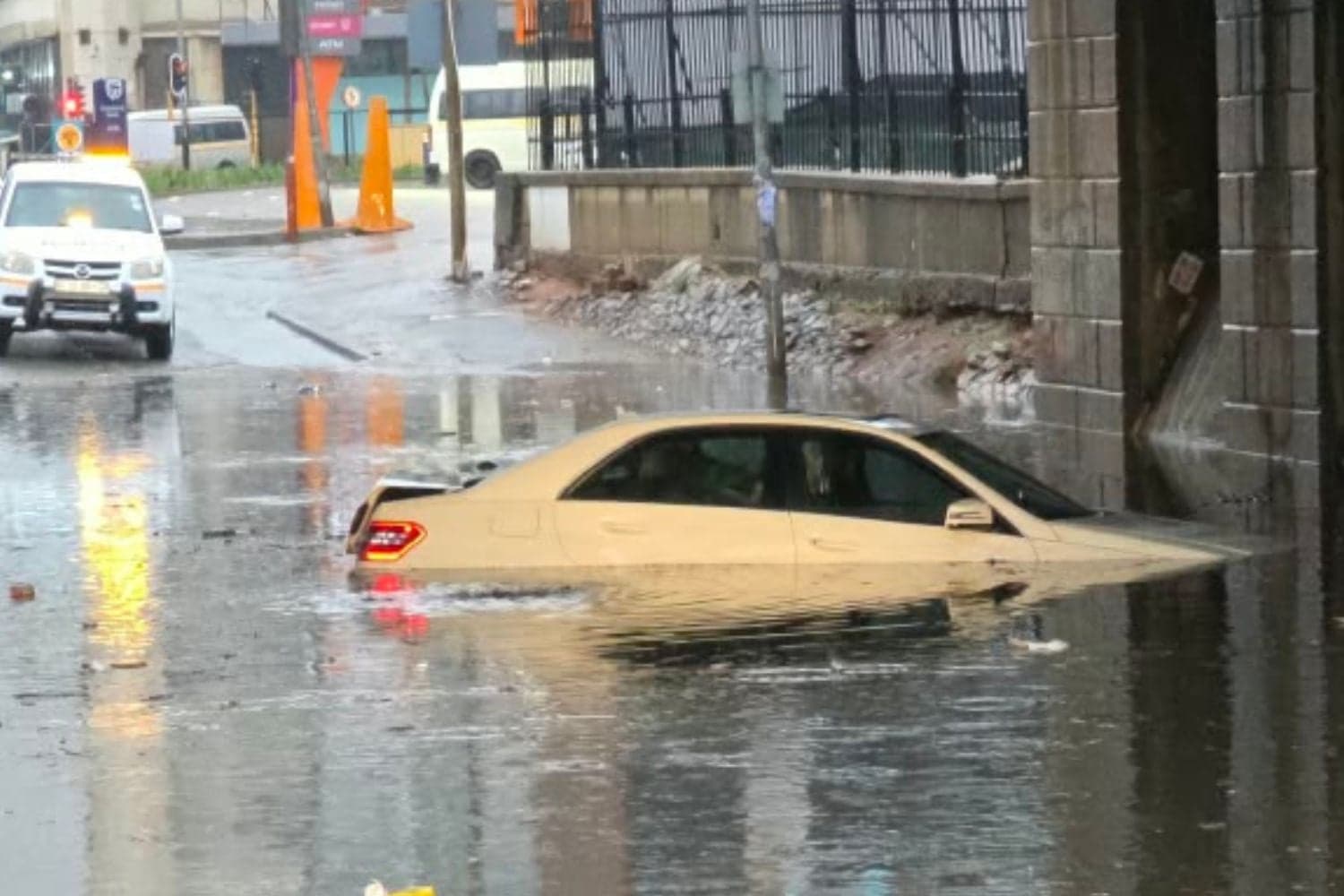
Johannesburg has been hit by a sudden wave of severe weather, as a sharp cold snap and heavy rains have caused widespread flooding and traffic chaos across the city. According to reports emerging on 7 September 2026, the sudden turn in weather has left several vehicles submerged and motorists stranded, transforming key municipal roads into hazardous waterways. The rapid onset of the cold snap has gripped the Gauteng province, catching many commuters off guard during their daily travels.
Initial reports from local media outlet The Citizen highlight the severity of the situation, characterizing the event as "weather chaos." Visual evidence from the affected areas shows cars partially or fully submerged in deep floodwaters, pointing to a rapid accumulation of rain over a short period. The combination of freezing temperatures brought by the cold snap and the sudden deluge has created highly challenging conditions for local emergency services and residents alike.
While the immediate impact on traffic and vehicles is evident, several key details regarding the extent of the storm remain unconfirmed. At this stage, official statistics regarding the exact volume of rainfall, the specific suburbs experiencing the worst of the flooding, and whether there have been any injuries or displacements have not been fully detailed. Furthermore, official statements from the City of Johannesburg's Emergency Management Services (EMS) or the South African Weather Service (SAWS) regarding the duration of this weather system are still awaited.
A cold snap of this nature presents unique challenges for Johannesburg, a metro highly populated with commuters who rely heavily on road infrastructure. When heavy downpours coincide with a drastic drop in temperature, the risk of road accidents increases significantly due to reduced visibility and compromised road surfaces. For residents in informal settlements and low-lying areas, the combination of wet weather and freezing temperatures poses immediate humanitarian concerns, particularly regarding adequate shelter and heating safety.
The flooding of municipal roads and the submergence of vehicles raise ongoing questions about the city's stormwater drainage capacity during extreme weather events. Johannesburg's road network often faces severe bottlenecks when low-lying bridges and underpasses flood, halting traffic across major arterial routes. Motorists are being urged to exercise extreme caution, avoid flooded routes, and seek alternative roads where possible to prevent further vehicles from becoming trapped.
As the cold snap continues to grip the city, safety remains the primary priority for Johannesburg residents. Disaster management guidelines typically advise motorists never to attempt driving through flooded roads or low-water bridges, as even shallow-looking water can carry enough force to sweep a vehicle away. Additionally, residents are encouraged to monitor updates from local authorities, keep emergency contact numbers on hand, and ensure that vulnerable individuals are kept warm and dry.
In the coming hours, the focus will shift to recovery efforts and official assessments from city officials. Observers and residents should keep a close eye on upcoming weather advisories to determine if the cold front is expected to move across other parts of Gauteng or begin clearing. Updates from the South African Weather Service will be crucial in guiding the city's response and helping residents plan their travel safely over the next few days.
Reporting record
How this story was produced
This article was AI-generated from the frozen trend evidence and passed deterministic quality and safety gates. No cross-provider evidence review or independent human verification is claimed for this record.
- Byline
- Newstrends AI Newsroom
- First published
- Last material update
- No later material update recorded
- Distinct source identifiers
- 1 retained source identifier
Frozen source links for this publication
Chronology
Story timeline
A generated chronology for orientation; dates and details may require source verification.
Update
Reports emerge of severe flooding and submerged cars in Johannesburg as a cold snap hits the city.
Reader file
Frequently asked questions
01What caused the flooding in Johannesburg?
The flooding was triggered by sudden heavy rainfall that coincided with a severe cold snap gripping the city on 7 September 2026.
02Are there any reported casualties or specific areas worst affected?
At this stage, official details regarding specific casualties, the exact volume of rainfall, and the hardest-hit suburbs remain unconfirmed.
03What should motorists do during this weather chaos?
Motorists are advised to avoid flooded roads and low-lying bridges, maintain a safe following distance, and monitor official updates from local emergency services.
Keep reading
Related coverage
More published reporting connected to this story.
Ekurhuleni on High Alert as Severe Cold Snap and Storms Grip Gauteng
Emergency services in the City of Ekurhuleni have been placed on high alert as a sudden cold snap and storms sweep across Gauteng. Authorities are bracing for potential infrastructure damage and safety hazards, though specific impact details remain unconfirmed.

WEATHER: Gauteng Braces for One of Its Coldest Weeks in Years as Snow Looms
Gauteng is preparing for an exceptionally severe cold snap, with reports indicating one of the coldest weeks in years is on the way. The rare prospect of looming snow has put the province on high alert, though specific temperature details and local impacts remain unconfirmed.

FNB Art Joburg 2026: Exploring Champagne, Camera Obscuras, and Women's Roles in Liberation
The upcoming FNB Art Joburg 2026 art fair is set to blend luxury, optical art history, and deep political reflection. The event promises a multi-sensory exploration of women's contributions to liberation alongside classical visual technologies.
Severe Weather Alert: Thunderstorms, Flooding, and Damaging Winds Set to Lash South Africa
Large parts of South Africa are bracing for a day of severe weather this Friday. Authorities warn of potential flooding, intense thunderstorms, and damaging winds across multiple regions.
Cut-off low pressure system to bring heavy rain, damaging winds and storms to parts of South Africa
A developing cut-off low pressure system is set to bring severe weather, including heavy rain and damaging winds, to parts of South Africa. While specific regional details remain unconfirmed, residents are urged to prepare for potential disruptions.