FNB Art Joburg 2026: Exploring Champagne, Camera Obscuras, and Women's Roles in Liberation
The upcoming FNB Art Joburg 2026 art fair is set to blend luxury, optical art history, and deep political reflection. The event promises a multi-sensory exploration of women's contributions to liberation alongside classical visual technologies.
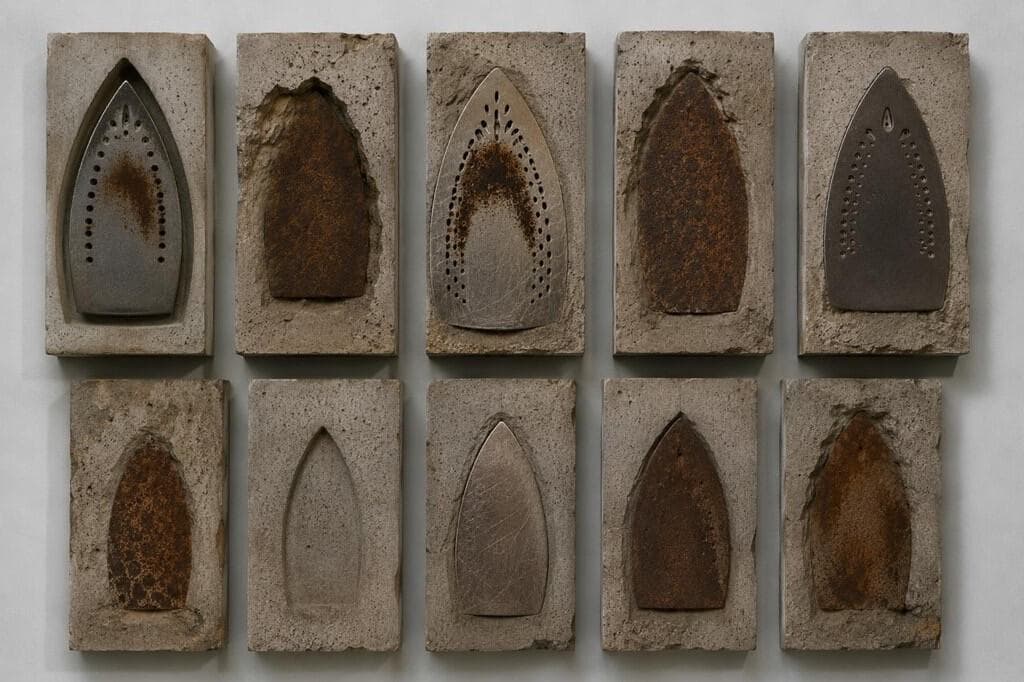
The highly anticipated FNB Art Joburg 2026 has captured the attention of the South African cultural landscape, promising a complex blend of celebration, classical artistic technology, and profound historical reflection. According to initial reports published by South African news outlet The Citizen on 4 September 2026, this year's iteration of the premier art fair is set to explore a diverse range of themes. The event’s conceptual framework is defined by three distinct pillars: the luxury of champagne, the optical intrigue of camera obscuras, and a serious, timely reckoning with women’s roles in liberation movements.
As one of the continent's most significant contemporary art platforms, FNB Art Joburg has historically served as a meeting point for collectors, artists, and the public. The 2026 edition appears poised to lean heavily into these contrasting experiences. By pairing the celebratory, high-society atmosphere of the art market—symbolised by champagne—with rigorous historical critique, the fair highlights the ongoing tension between commercial success and social commentary within the African art ecosystem.
A particularly compelling aspect of the 2026 program is the focus on the camera obscura. This ancient optical device, which projects an inverted image of its surroundings through a small hole, represents a return to the foundational mechanics of photography and visual perception. While specific installations and participating photographers have not yet been fully detailed in the initial announcements, the inclusion of camera obscuras suggests that attendees can expect interactive, immersive experiences that challenge how they view space, light, and the city of Johannesburg itself.
Alongside these technical and experiential elements, the fair is positioning itself as a space for historical accountability. The theme of "a reckoning with women’s role in liberation" points to a dedicated focus on gender, politics, and historical narratives. For South African readers, this theme carries immense weight, reflecting ongoing national conversations about the overlooked contributions of women freedom fighters, activists, and artists in the struggle against oppression and the shaping of post-apartheid society.
At this stage of the event's rollout, several details remain unconfirmed. The exact lineup of participating galleries, individual artists, and the specific schedule of panel discussions or walkabouts have not been fully disclosed in the initial coverage. Furthermore, it remains to be seen how the physical layout of the fair will accommodate both the celebratory social spaces and the quiet, reflective areas required for historical reckonings and optical installations.
Despite these open questions, the thematic direction of FNB Art Joburg 2026 signals a bold approach to curation. By bringing together the seemingly disparate elements of champagne, historical optical devices, and political liberation, the fair aims to create a multi-sensory environment. For the general public and art enthusiasts alike, the upcoming event serves as a reminder of the power of contemporary art to not only entertain but also to provoke deep, necessary dialogue about South Africa's past, present, and future.
Reporting record
How this story was produced
This article was AI-generated from the frozen trend evidence and passed deterministic quality and safety gates. No cross-provider evidence review or independent human verification is claimed for this record.
- Byline
- Newstrends AI Newsroom
- First published
- Last material update
- No later material update recorded
- Distinct source identifiers
- 1 retained source identifier
Frozen source links for this publication
Chronology
Story timeline
A generated chronology for orientation; dates and details may require source verification.
Update
The Citizen publishes initial details outlining the thematic focus of FNB Art Joburg 2026.
Reader file
Frequently asked questions
01What are the main themes of FNB Art Joburg 2026?
The main themes identified for the 2026 event include champagne, camera obscuras, and a critical reckoning with women's roles in liberation movements.
02Who reported on the themes of the 2026 art fair?
The themes were highlighted in a lifestyle report published by the South African publication The Citizen in September 2026.
Keep reading
Related coverage
More published reporting connected to this story.
Investigation Reopened Into Devastating Johannesburg Inner-City Fire That Killed 76
Authorities have officially reopened the investigation into the tragic Johannesburg building fire that claimed 76 lives. The move marks a crucial step toward accountability, though specific details on new evidence remain undisclosed.
Joburg Stage Lineup Features Solo Drama, Political Satire, and Family Fantasy This Week
Johannesburg's theatres are offering a diverse mix of solo drama, political satire, and family fantasy this week. While specific venues and titles remain to be confirmed, the lineup highlights the rich variety of the city's cultural scene.

Miss Supranational 2026: Evening Gown Portraits Spark Viral Buzz Ahead of Grand Final
The release of the official Miss Supranational 2026 evening gown portraits has taken social media by storm. Published ahead of the grand final, these stunning images have sparked widespread excitement among South African pageant fans.
The Hangout: Saturday Star Opinion Piece Explores the Cultural History of South African Beer Halls
A newly published opinion piece in the Saturday Star has sparked conversations about the historical and cultural significance of South African beer halls. Titled 'The Hangout: If beer halls could talk', the article reflects on these iconic social spaces.
Pikitup Under Fire Over Staggering R85 Million Monthly Bill for Rented Vehicles
Johannesburg's waste utility Pikitup is facing intense scrutiny over a reported monthly expenditure of R85 million on rented vehicles. The massive bill has sparked widespread public concern regarding municipal procurement and financial management.