SASSA Sacks Four Officials Amid R33 Million Social Grants Fraud Probe
The South African Social Security Agency (SASSA) has dismissed four officials following their alleged involvement in a R33 million social grants fraud scheme. The dismissals come as the agency continues its efforts to combat corruption and protect vital social welfare funds. This move underscores SASSA's commitment to accountability within its ranks.
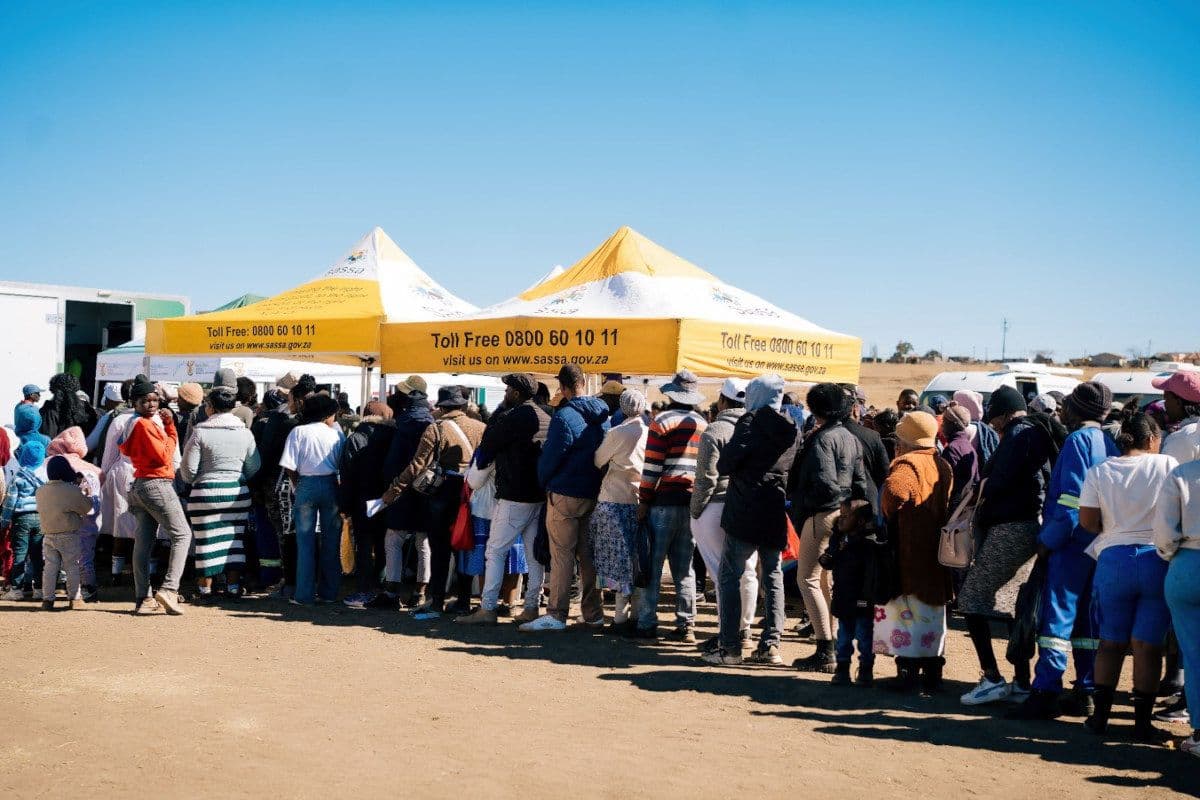
The South African Social Security Agency (SASSA) has taken decisive action, dismissing four of its officials in connection with a substantial R33 million social grants fraud. The dismissals, which became public knowledge recently, highlight the ongoing challenges faced by the agency in safeguarding the crucial funds allocated to vulnerable South Africans.
The alleged fraud, amounting to R33 million, represents a significant loss of public money intended to support millions of grant beneficiaries across the country. Such a sum underscores the serious nature of the misconduct and its potential impact on the agency's ability to deliver on its mandate. While the specific details surrounding how the fraud was perpetrated or the identities of the dismissed officials have not been publicly disclosed in the available information, the sheer scale of the amount involved suggests a sophisticated operation.
SASSA plays a pivotal role in South Africa's social safety net, providing various grants – including old age, disability, and child support grants – to an estimated 18 million beneficiaries. These grants are often the primary, if not sole, source of income for many households, making the integrity of the system paramount. Any act of fraud within SASSA directly undermines this critical lifeline and erodes public trust in a fundamental government institution.
The dismissal of officials over fraud charges is a clear indication that SASSA is taking steps to address internal corruption. While dismissals are an internal disciplinary measure, they often precede or run parallel to criminal investigations and potential prosecutions. For many South Africans, such actions are seen as crucial in demonstrating accountability and a commitment to clean governance within state entities, particularly those handling public funds for the most vulnerable.
The R33 million figure is not merely a number; it represents resources diverted from essential services and individuals in dire need. In a country grappling with high levels of poverty and inequality, every rand allocated to social grants is vital. Fraud of this magnitude not only deprives beneficiaries but also places an additional strain on the national fiscus, funded by taxpayers who expect their contributions to be managed with utmost integrity.
This incident casts a spotlight on the continuous battle against corruption within the public sector. It serves as a stark reminder of the vigilance required to protect public funds from those who seek to exploit the system for personal gain. The fight against fraud within social welfare programmes is a complex one, demanding robust internal controls, diligent oversight, and swift punitive action against perpetrators, regardless of their position.
Looking ahead, the public will undoubtedly be watching for further developments in this case. While the dismissals mark a significant step, questions may remain regarding whether criminal charges will be pursued against the implicated officials and what measures SASSA will implement to prevent similar incidents in the future. The agency's ongoing efforts to strengthen its systems and ensure the transparent and efficient distribution of grants will remain under intense scrutiny.
Ultimately, the protection of social grants is not just an administrative task but a moral imperative. The dismissal of these four officials over R33 million in alleged fraud sends a strong message that such abuses will not be tolerated. It reinforces the expectation that those entrusted with public resources, especially those meant for the most vulnerable, must uphold the highest standards of integrity and accountability.
Reporting record
How this story was produced
This article was AI-generated from the frozen trend evidence and passed deterministic quality and safety gates. No cross-provider evidence review or independent human verification is claimed for this record.
- Byline
- Newstrends AI Newsroom
- First published
- Last material update
- No later material update recorded
- Distinct source identifiers
- 1 retained source identifier
Frozen source links for this publication
Chronology
Story timeline
A generated chronology for orientation; dates and details may require source verification.
Update
News captured regarding SASSA dismissing four officials over R33 million social grants fraud.
Reader file
Frequently asked questions
01What is the main news regarding SASSA?
SASSA has dismissed four of its officials in connection with an alleged R33 million social grants fraud.
02How much money was involved in the alleged fraud?
The alleged social grants fraud amounted to R33 million.
03What action has SASSA taken against the officials?
SASSA has dismissed the four officials involved in the alleged fraud.
04When was this news captured?
This news was captured on July 18, 2026.
Keep reading
Related coverage
More published reporting connected to this story.

Report Indicates Domestic Workers and Checkers Sixty60 Drivers Are Fleeing South Africa
A recent report by BusinessTech.co.za suggests a developing trend of domestic workers and Checkers Sixty60 drivers departing South Africa. The article, captured on July 18, 2026, highlights a concerning movement within key South African labour sectors, though specific reasons or scale remain unquantified in the available data.
Standard Bank Ordered to Compensate Woman R5,000 for Unfair Treatment in Car Finance Dispute
Standard Bank has been ordered to compensate a woman R5,000 following a dispute over car finance, citing unfair treatment. This development, reported on July 19, 2026, highlights the ongoing scrutiny of financial institutions' conduct in South Africa's consumer credit market and the mechanisms available for consumer protection.
Concerns Mount Over AI Harvesting South African Music Without Compensation
A recent report by IOL's Sunday Tribune highlights an emerging issue where artificial intelligence (AI) technologies are 'harvesting' South African music without providing fair compensation to creators. This trend raises serious questions about intellectual property rights and the economic viability for local artists in the rapidly evolving digital landscape.

Junior Boks Crowned U20 World Champions, Coach Foote Hails National Significance
South Africa's Junior Boks have claimed the prestigious U20 world rugby title, a victory that coach Foote declared "means everything to SA." This triumph marks a pivotal moment for the development and future of rugby in the nation.
Cape Town Celebrates Three Decades of SOS Children's Villages' Enduring Legacy of Care
Cape Town is marking a significant milestone as SOS Children's Villages celebrates 30 years of operation in the city. The organisation has established an enduring "legacy of love and care" over three decades, providing crucial support to vulnerable children and shaping lives within the community. This anniversary highlights the long-term commitment to child welfare in the region.