Idac's Andrea Johnson Grilled Over Crime Intelligence Probe in High-Stakes Hearing
Andrea Johnson, head of the Investigating Directorate Against Corruption (Idac), has faced intense questioning over a Crime Intelligence probe. The proceedings, linked to the Madlanga commission, have raised serious accountability concerns.
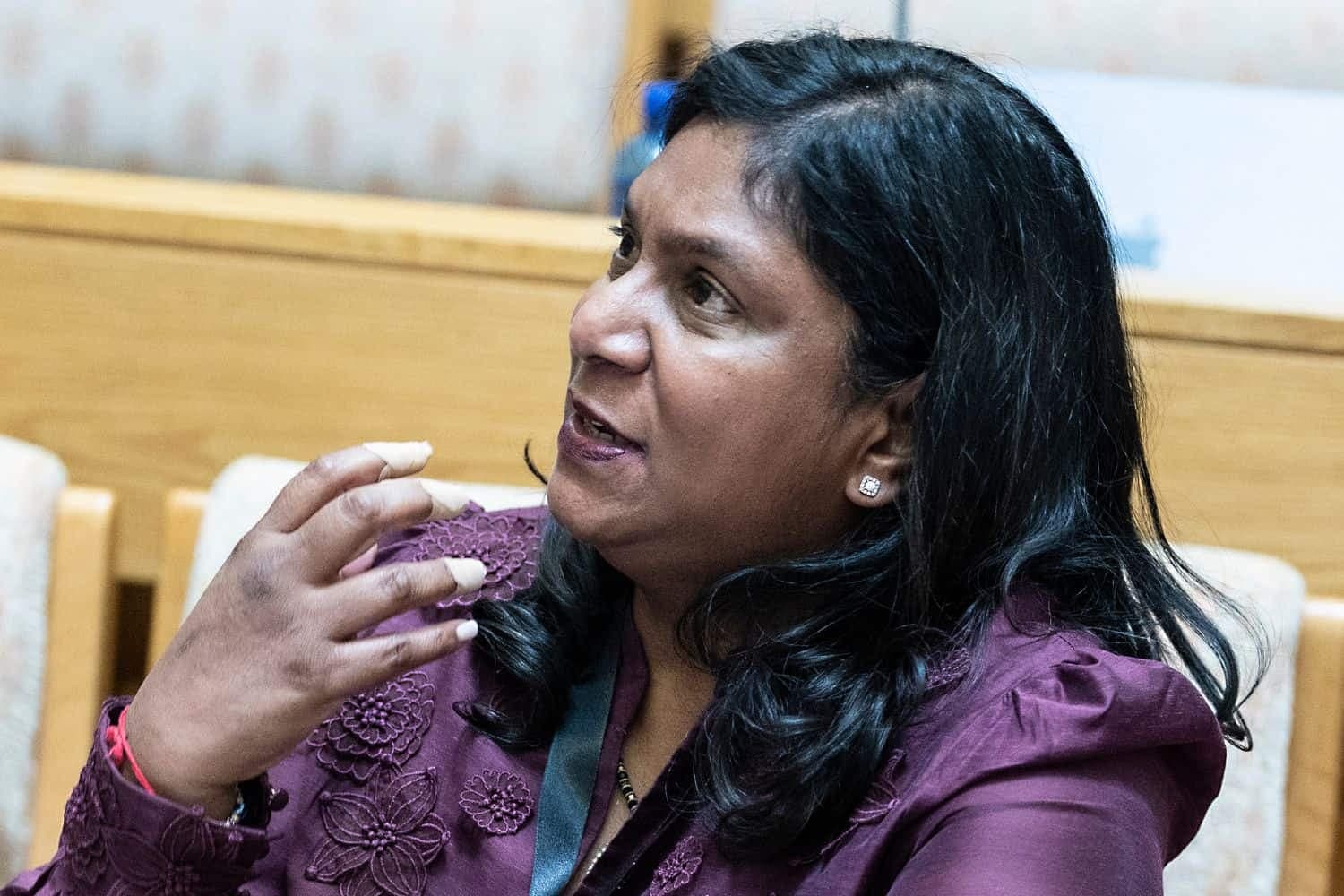
In a significant development for South Africa's anti-corruption landscape, Andrea Johnson, the head of the Investigating Directorate Against Corruption (Idac), has faced intense scrutiny over an ongoing Crime Intelligence probe. The high-profile questioning, which has sent shockwaves through the country's legal and law enforcement sectors, took place during proceedings associated with the Madlanga commission. The session has laid bare the deep-seated challenges and complexities currently facing South Africa's key investigative and prosecutorial institutions as they attempt to navigate complex state security matters.
The grilling of Johnson, a prominent figure in the National Prosecuting Authority (NPA) structures, centered on critical aspects of the Crime Intelligence investigation. During the proceedings, the phrase "it’s simply unimaginable" emerged as a defining sentiment, reflecting the gravity of the issues being dissected. Observers note that the line of questioning directed at the Idac head underscores growing public and institutional anxiety over how sensitive intelligence-related investigations and subsequent prosecutions are managed at the highest levels of state.
At the heart of the matter is the operational relationship between Idac, Crime Intelligence, and the National Director of Public Prosecutions (NDPP). Idac was established with a mandate to investigate and prosecute serious, complex, and organised corruption. However, when its investigations intersect with the secretive world of Crime Intelligence, friction often arises. The recent proceedings have highlighted these systemic vulnerabilities, raising crucial questions about oversight, accountability, and the boundaries of prosecutorial authority in South Africa.
While full details of the specific docket or intelligence operations under review remain closely guarded, the involvement of the Madlanga commission and figures such as Dumisani Khumalo indicates the high stakes of the inquiry. The commission’s focus on these matters suggests a rigorous effort to untangle the web of allegations that have historically plagued the country's intelligence services. For South African citizens, who have grown weary of systemic corruption, the public grilling of a top prosecutor represents both a sobering reminder of institutional challenges and a necessary step toward transparency.
The implications of this probe extend far beyond the walls of the commission. For years, South Africa's law enforcement agencies have struggled to rebuild public trust following eras of institutional compromise. When leadership figures like Johnson are subjected to such intense questioning, it signals that no office is immune to accountability. However, it also risks exposing operational rifts that could hamper the state's ability to successfully prosecute high-profile corruption cases currently on the court rolls.
As the proceedings continue, legal experts and citizens alike are left to ponder what these revelations mean for the future of the NDPP and the broader justice system. The term "unimaginable" suggests that the evidence or administrative failures being discussed are of a nature that challenges the expected standards of legal and ethical conduct. Whether this will lead to structural reforms within Idac or a realignment of how Crime Intelligence cases are prosecuted remains one of the most critical questions facing the nation.
Despite the intense public interest, several key details of the probe remain unclear. The specific allegations against Crime Intelligence officials, the exact nature of the administrative or prosecutorial failures being alleged, and the full scope of Johnson's defense have not been fully detailed in the current public record. Maintaining a strict adherence to verified facts is essential, as speculative reporting could compromise both the integrity of the commission and the rights of those involved.
Looking ahead, South Africans should closely monitor the subsequent sessions of the Madlanga commission and any formal statements issued by Idac or the NPA. The outcome of this probe could redefine the relationship between the country's intelligence agencies and its prosecution services. As the nation watches these developments unfold, the demand for clear, uncompromised justice remains at an all-time high, making the resolution of this inquiry a pivotal moment for the country's democratic institutions.
Reporting record
How this story was produced
This article was AI-generated from the frozen trend evidence and passed deterministic quality and safety gates. No cross-provider evidence review or independent human verification is claimed for this record.
- Byline
- Newstrends AI Newsroom
- First published
- Last material update
- No later material update recorded
- Distinct source identifiers
- 1 retained source identifier
Frozen source links for this publication
Chronology
Story timeline
A generated chronology for orientation; dates and details may require source verification.
Update
Idac head Andrea Johnson is grilled over the Crime Intelligence probe during Madlanga commission proceedings.
Reader file
Frequently asked questions
01Who is Andrea Johnson?
Andrea Johnson is the head of South Africa's Investigating Directorate Against Corruption (Idac).
02What is the focus of the current probe?
The probe focuses on issues surrounding Crime Intelligence and the handling of related investigations and prosecutions.
03Which commission is overseeing these proceedings?
The proceedings and questioning are associated with the Madlanga commission.
Keep reading
Related coverage
More published reporting connected to this story.
IDAC Boss Andrea Johnson's Testimony Halted After Falling Unwell Due to Medication
The scheduled testimony of IDAC head Andrea Johnson was abruptly cut short on Wednesday after she became unwell. Official reports indicate the disruption was caused by the effects of medication, leaving the timeline for her resumed appearance unclear.
Andrew Chauke Cleared Following Fitness for Office Challenge by Batohi
Senior prosecutorial figure Andrew Chauke has been cleared after a high-profile challenge to his fitness for office. The challenge, initiated by National Director of Public Prosecutions Shamila Batohi, represents a major development within South Africa's legal landscape.
Madlanga Inquiry: Andrea Johnson Alleges 'Secret Fund Looting Scheme' and Capture of Crime Intelligence
At the Madlanga Inquiry, Andrea Johnson has alleged that South Africa's Crime Intelligence division was 'captured' through a secret fund looting scheme. The startling claims have raised serious concerns regarding the oversight of classified state security budgets. As the inquiry unfolds, key details about the scale of the alleged siphoning remain undisclosed.

SA stunned as viral video shows how to eat for under R50 a day
A viral video of a Chinese man demonstrating how to eat for under R50 a day has stunned South Africans. The trending footage has sparked widespread debate over budget-friendly eating and the rising cost of living.

Weather Alert: Isolated Showers and Thundershowers Forecast to Hit South African Provinces
An initial weather alert warns of isolated showers and thundershowers heading to several South African provinces. While specific regions remain unconfirmed, residents are advised to prepare for sudden wet conditions during the winter season.