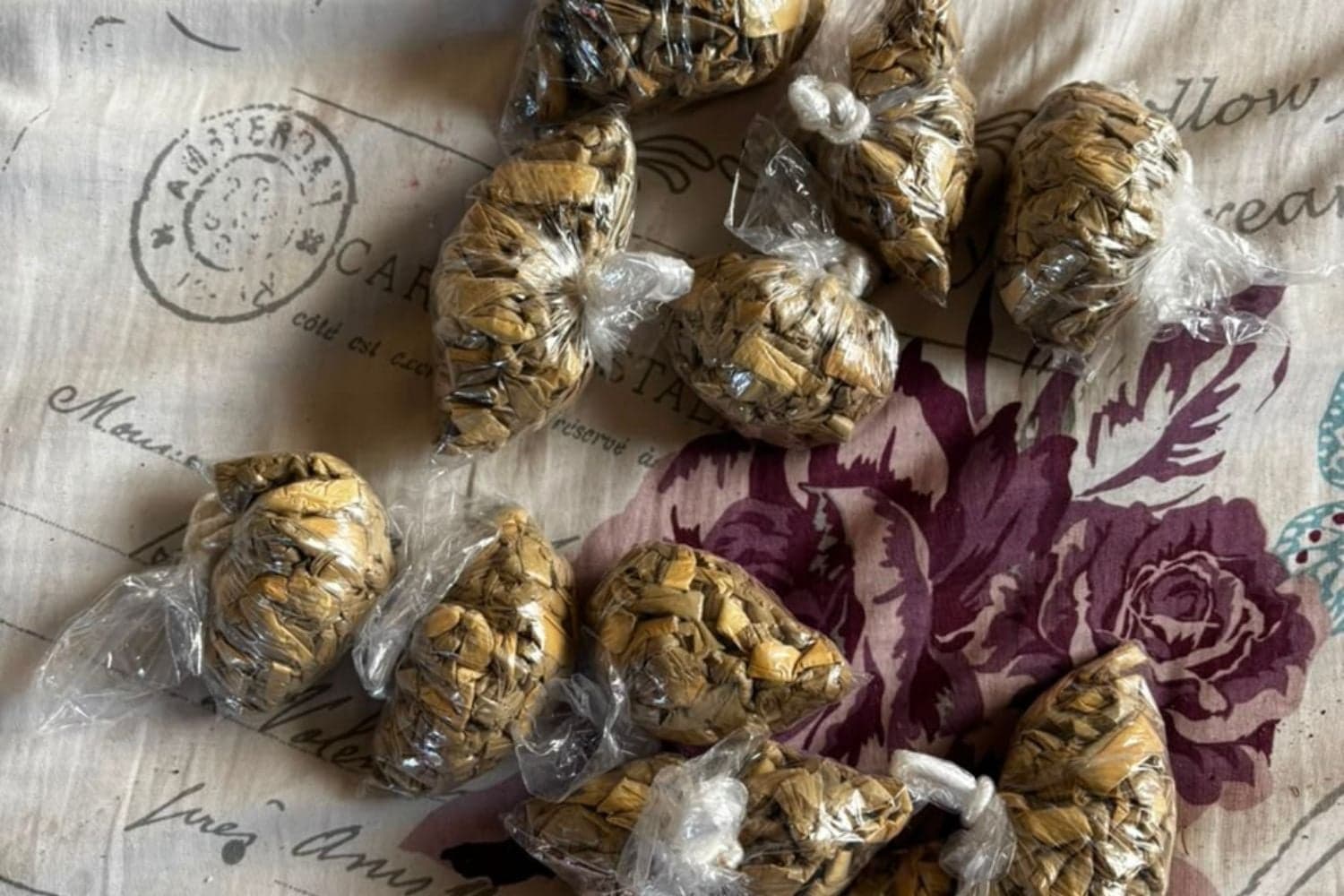
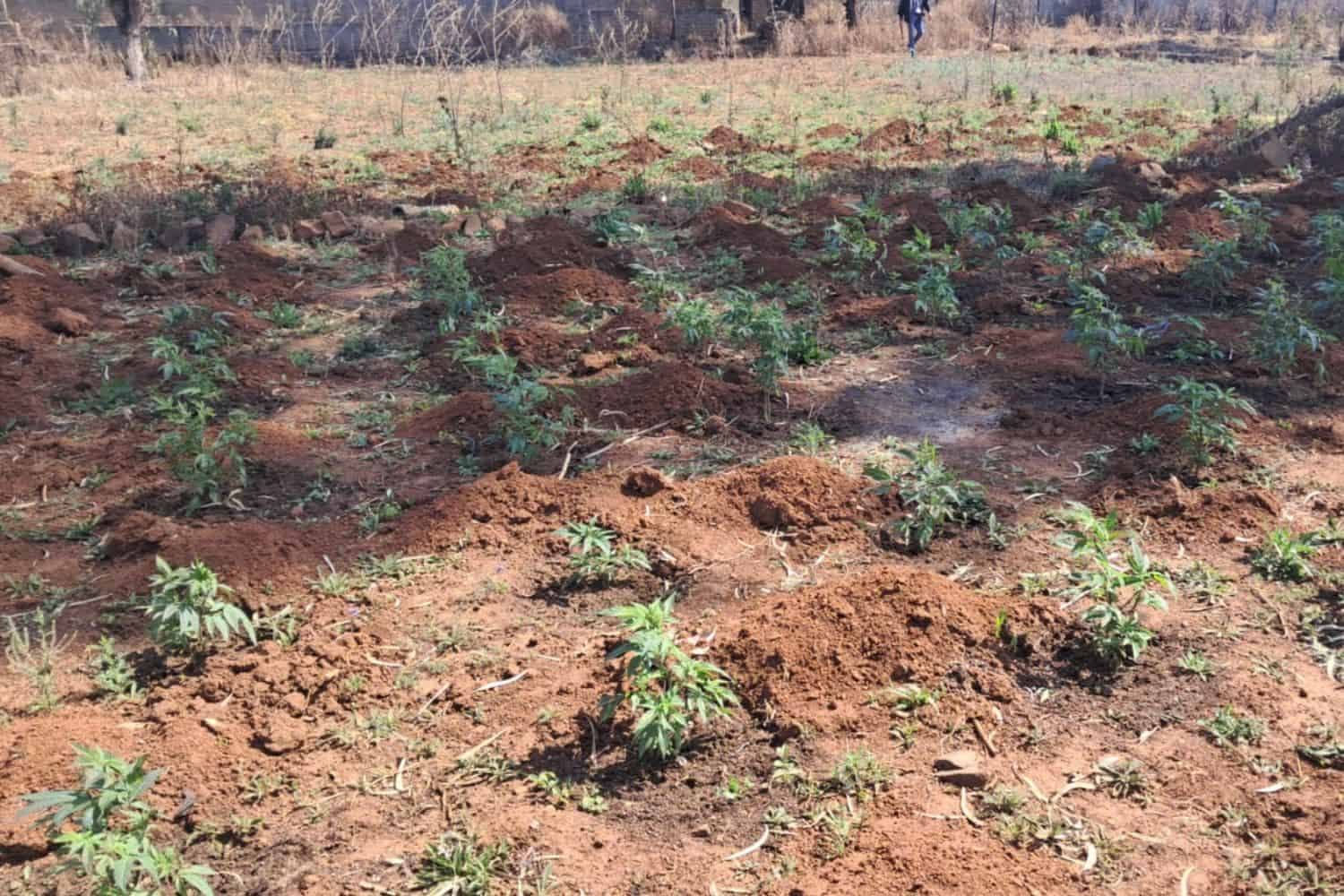
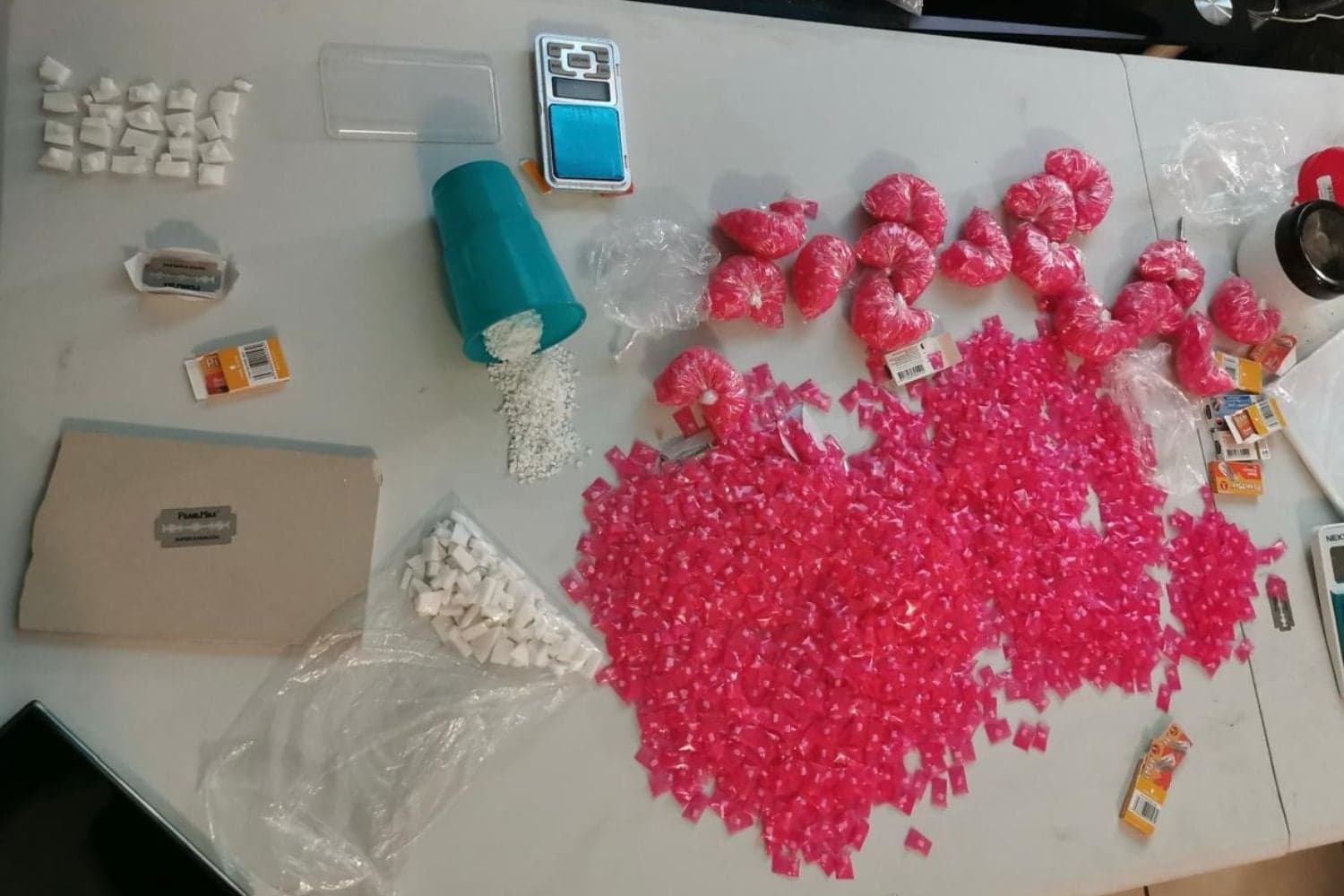
South African law enforcement efforts have dealt another blow to the illicit narcotics trade following the interception of an alleged drug mule carrying heroin valued at an estimated R2 million. The incident, which came to light on Monday, 21 September 2026, highlights the ongoing battle against drug trafficking networks operating within and across the country's borders.
While initial reports confirmed the seizure of the high-value cargo and the arrest of the suspect, many specific details surrounding the operation remain closely guarded. Law enforcement agencies have not yet publicly released the identity, age, or nationality of the alleged drug mule. Furthermore, the precise location of the arrest—whether it occurred at a major port of entry, such as OR Tambo International Airport, a land border post, or during a highway patrol interception—has not been officially detailed.
This lack of immediate detail is typical in major narcotics investigations, where authorities often withhold sensitive information to avoid tipping off broader syndicate networks. What is clear, however, is the substantial financial scale of the bust. A shipment of heroin valued at R2 million represents a significant volume of illicit substances prevented from reaching South African streets, where the drug continues to cause widespread social and economic harm.
South Africa has increasingly been identified by international law enforcement bodies as both a lucrative consumer market for heroin and a key transit hub for shipments destined for Europe and other global markets. Transnational drug syndicates frequently recruit couriers, commonly referred to as "drug mules," to transport these illicit substances. These individuals often carry the highest risk of arrest and prosecution, while the high-level operators who coordinate the logistics remain shielded from direct law enforcement contact.
The socio-economic impact of heroin in South African communities is profound. The drug, often sold in low-grade forms such as "nyaope" or "whoonga" when mixed with other substances, has devastated families and fueled petty crime in townships and urban centres alike. By intercepting a shipment of this size, authorities have disrupted the local supply chain, temporarily preventing the distribution of thousands of individual doses that contribute to community instability and strain public healthcare resources.
The successful interception underscores the critical role of intelligence-driven policing and robust border security measures. South African authorities, including specialized units and border control officials, face the continuous challenge of policing vast borders and busy transit routes. Drug syndicates constantly evolve their concealment methods, ranging from swallowing wrapped packages to hiding substances within commercial cargo, requiring police to remain highly adaptive.
Following the arrest, the suspect is expected to be processed through the South African criminal justice system. Under the Drugs and Drug Trafficking Act, dealing in dangerous dependence-producing substances carries severe penalties, including lengthy prison sentences. The suspect will likely make an initial appearance in a local magistrate's court, where the state is expected to oppose bail given the high monetary value of the seized narcotics and the flight risk often associated with alleged couriers.
In the coming days, observers and the public will be watching for official updates from police spokespersons. Key developments to monitor include the formal charges laid against the suspect, the disclosure of their origin and intended destination, and whether forensic analysis of the seized heroin links this shipment to known international drug cartels. For now, the R2 million bust stands as a stark reminder of the persistent flow of illicit narcotics targeting South Africa.