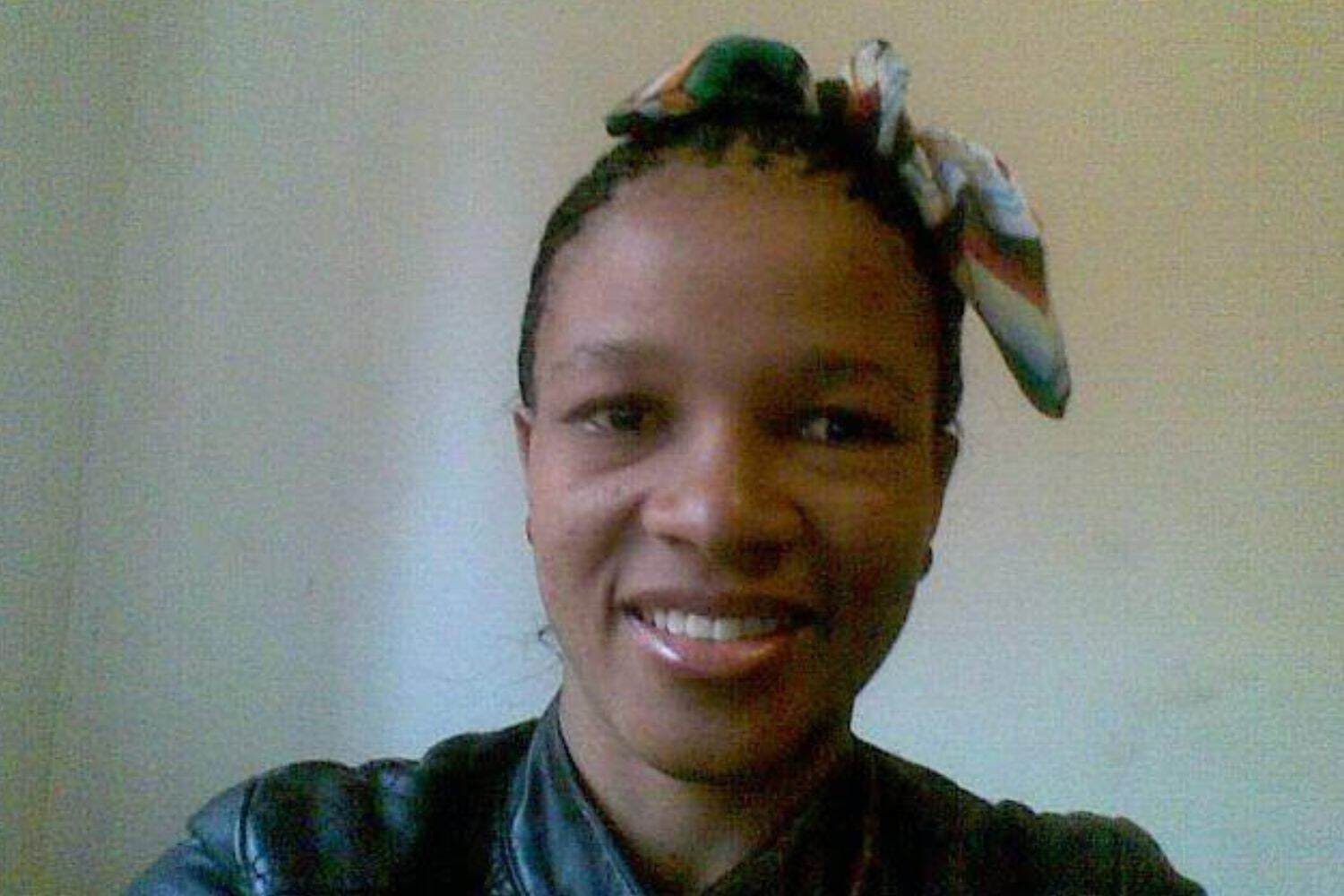
In a significant development in the ongoing investigation into a series of murders in the East Rand, Gracious Nkomo has been identified as a victim in the Ekurhuleni murder spree. The identification, which emerged in reports on 18 September 2026, marks a critical point in a case that has gripped the local community and drawn widespread attention across Gauteng. The news underscores the ongoing challenges local law enforcement faces in addressing violent crime and bringing closure to affected families.
The reports surrounding the case have highlighted some discrepancies regarding the exact sequence of the victims. While primary headlines identify Gracious Nkomo as the ninth victim of this devastating murder spree, some initial media tracking and source URLs have referenced her as the fourth victim. Such discrepancies are not uncommon in the early stages of high-profile, fast-moving criminal investigations, where police and media outlets work continuously to verify details, establish timelines, and confirm the identities of those affected.
Ekurhuleni, a vast metropolitan municipality located east of Johannesburg, is home to millions of residents and a diverse range of communities. Due to its size and socio-economic dynamics, safety and security remain paramount concerns for local citizens. A murder spree of this nature naturally heightens anxiety among residents, who rely heavily on timely updates from both the South African Police Service (SAPS) and local news outlets to stay informed about potential threats in their neighbourhoods.
The formal identification of a victim like Gracious Nkomo is a meticulous process that typically involves forensic pathology, DNA profiling, and close collaboration with family members. In South Africa, these procedures are vital not only for providing definitive answers to grieving relatives but also for building a robust legal case. Establishing the identity of each victim allows investigators to trace their final movements, identify potential links between the victims, and construct a clearer timeline of the perpetrator's actions.
For the community of Ekurhuleni, news of another identified victim brings the grim reality of violent crime back into sharp focus. Local community policing forums (CPFs) and neighbourhood watch groups often play a supportive role during such crises, urging residents to remain vigilant and report any suspicious activities to the authorities. The psychological toll of an active murder spree on a community is profound, often leading to calls for increased police visibility and more effective crime prevention strategies.
Media coverage, such as the reporting by The Citizen, plays a crucial role in keeping the public informed while ensuring that the dignity of the victims is maintained. As journalists piece together the available information, the flow of accurate updates helps counter misinformation and rumours that can easily spread on social media platforms during high-profile crime investigations. Accurate reporting remains a cornerstone of public safety and institutional accountability.
Despite the identification of Gracious Nkomo, many critical details surrounding the Ekurhuleni killings remain undisclosed or under investigation. At this stage, the available data does not specify the motive behind the murder spree, the exact locations where the bodies were discovered, or whether any suspects have been taken into custody. It also remains unclear over what period these killings occurred and whether there are additional victims who have not yet been identified by the police.
Moving forward, the public and media will be closely watching the South African Police Service for official briefings regarding the progress of the investigation. Key areas to monitor include the formal reconciliation of the victim count, the release of any suspect profiles or forensic evidence, and potential court appearances should arrests be made. Until then, the community of Ekurhuleni remains on high alert, mourning the loss of Gracious Nkomo and the other victims of this tragedy.