Five Foreign Nationals Arrested in R1 Million Hydroponic Dagga Lab Bust
Five foreign nationals have been arrested after police uncovered an illicit hydroponic dagga laboratory valued at R1 million. The bust highlights the ongoing crackdown on unlicensed commercial cannabis cultivation in South Africa.
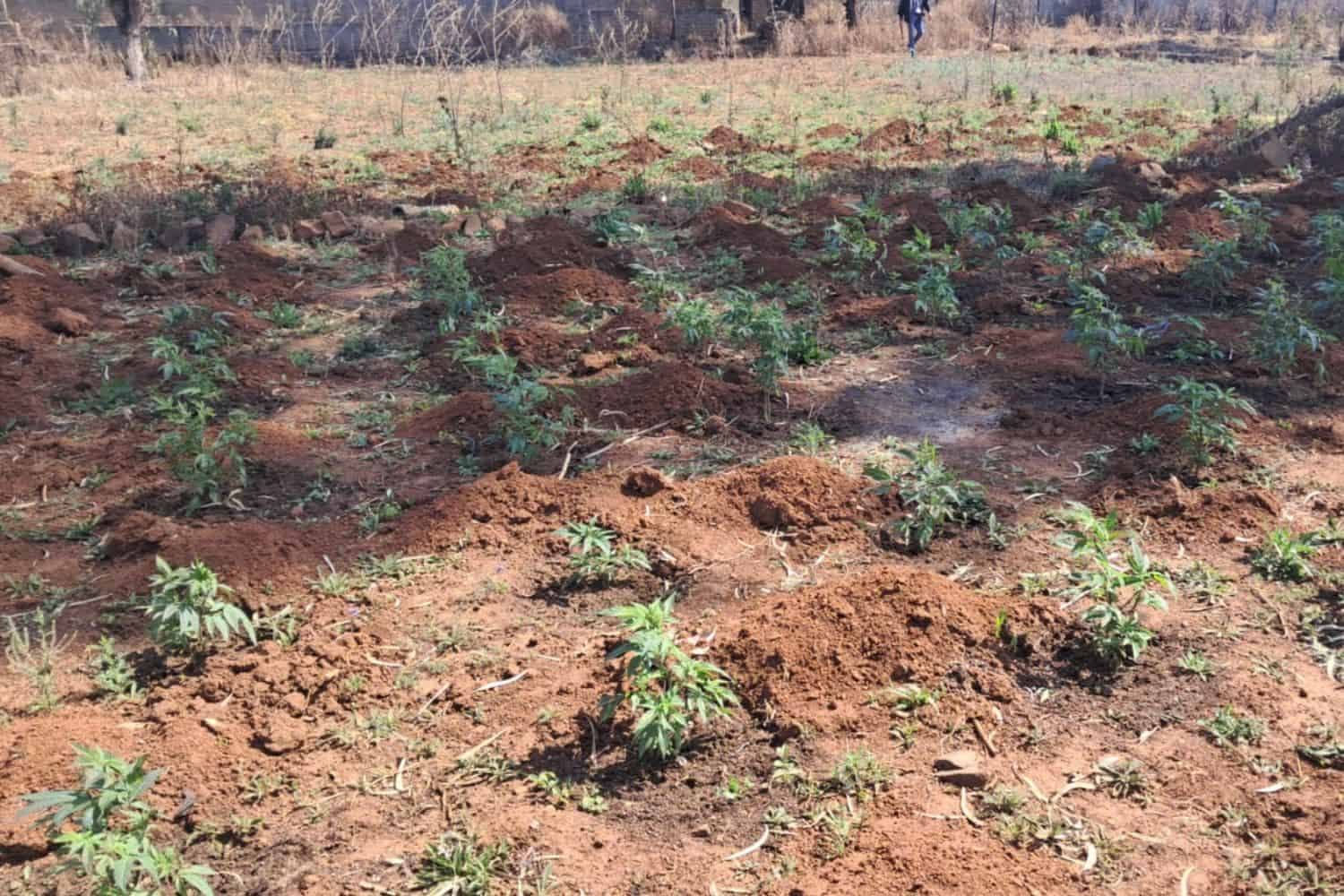
South African law enforcement agencies have delivered a significant blow to the illicit drug trade following the discovery and dismantling of a sophisticated hydroponic dagga (cannabis) laboratory. Five foreign nationals were arrested during the operation, which uncovered cultivation equipment and cannabis plants estimated to be worth approximately R1 million. The bust, reported on 28 August 2026, highlights the ongoing battle authorities face against commercial illicit drug manufacturing networks operating within the country's borders.
While the initial reports confirm the arrest of the five suspects and the substantial R1 million valuation of the seized hydroponic setup, several key details remain undisclosed. The exact geographic location of the raid, the specific police units involved in executing the operation, and the identities of the foreign nationals have not yet been made public. In the absence of official police briefings, it remains unclear whether the raid was the result of an intelligence-led investigation or a response to community tips.
To understand the significance of this bust, it is essential to look at the nature of hydroponic dagga cultivation. Unlike traditional outdoor farming, hydroponic systems grow plants in nutrient-rich water solutions rather than soil. These operations are typically housed indoors, requiring specialized equipment such as high-intensity grow lights, automated irrigation, and advanced ventilation systems to control temperature and humidity. This controlled environment allows cultivators to produce highly potent strains of cannabis rapidly, making it a lucrative venture for illicit syndicates targeting premium black-market buyers.
The bust occurs against the backdrop of South Africa's evolving legal framework regarding cannabis. Following the landmark 2018 Constitutional Court ruling and subsequent legislative efforts, the personal cultivation and consumption of dagga by adults in private spaces is legal. However, the law remains clear: commercial cultivation, distribution, and sale of cannabis without a formal commercial licence from the South African Health Products Regulatory Authority (SAHPRA) are strictly prohibited. Operations of this scale clearly cross the line into illegal commercial manufacturing, drawing swift law enforcement action.
The arrest of five foreign nationals adds an international dimension to the investigation. In South Africa, law enforcement agencies frequently collaborate with the Department of Home Affairs to verify the immigration status of non-citizens arrested in major criminal operations. Investigators will likely be looking into whether the suspects are part of an organized cross-border syndicate or if they were hired as specialized operators to manage the complex technical requirements of the hydroponic laboratory.
Beyond the immediate arrests, illegal hydroponic operations present severe practical hazards to local communities. Because these laboratories require massive amounts of electricity to power heating, lighting, and ventilation systems around the clock, operators often resort to illegal electricity connections. This not only robs municipal grids of revenue but also creates extreme fire hazards and contributes to localized power outages, a persistent challenge for South African residents.
As the legal process begins, South Africans will be watching closely for the suspects' first appearance in court. The National Prosecuting Authority (NPA) is expected to formulate formal charges, which will likely include the manufacturing and dealing of undesirable dependence-producing substances. Future updates are anticipated to reveal the specific court where the suspects will be arraigned, as well as whether they will apply for bail or remain in custody pending further investigation.
This R1 million bust serves as a stark reminder that despite the decriminalisation of personal cannabis use, the commercial illicit market remains a primary target for South African police. As authorities continue to crack down on unlicensed commercial labs, the public is urged to remain vigilant and report any suspicious, high-energy indoor agricultural activities in residential or industrial areas to local law enforcement.
Reporting record
How this story was produced
This article was AI-generated from the frozen trend evidence and passed deterministic quality and safety gates. No cross-provider evidence review or independent human verification is claimed for this record.
- Byline
- Newstrends AI Newsroom
- First published
- Last material update
- No later material update recorded
- Distinct source identifiers
- 1 retained source identifier
Frozen source links for this publication
Chronology
Story timeline
A generated chronology for orientation; dates and details may require source verification.
Update
Five foreign nationals are arrested following the discovery of a R1 million hydroponic dagga lab.
Reader file
Frequently asked questions
01Where did the hydroponic dagga lab bust take place?
The exact geographic location of the raid within South Africa has not yet been disclosed in the initial reports.
02What is the estimated value of the seized dagga lab?
The hydroponic setup and cannabis plants seized during the operation are valued at approximately R1 million.
03Is cannabis cultivation legal in South Africa?
While adult personal cultivation and consumption in private spaces are legal, large-scale commercial cultivation and sale without a licence remain strictly illegal.
Keep reading
Related coverage
More published reporting connected to this story.
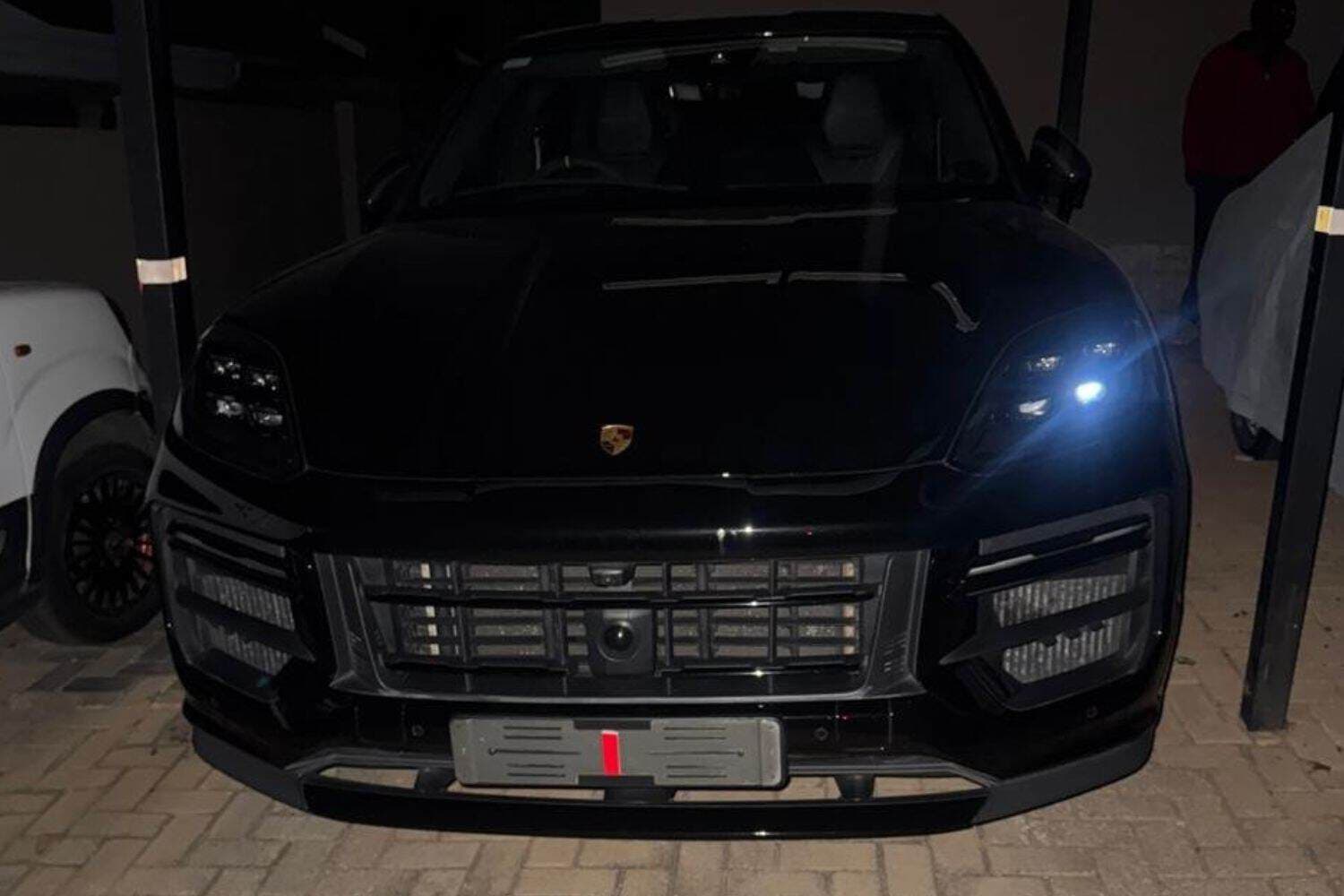
Stolen Porsche Recovered and Suspect Arrested in South African Vehicle Trafficking Crackdown
South African authorities have successfully recovered a stolen Porsche and arrested a suspect linked to an organized vehicle trafficking syndicate. While specific details of the operation remain limited, the recovery highlights the ongoing battle against high-value car theft in the region.
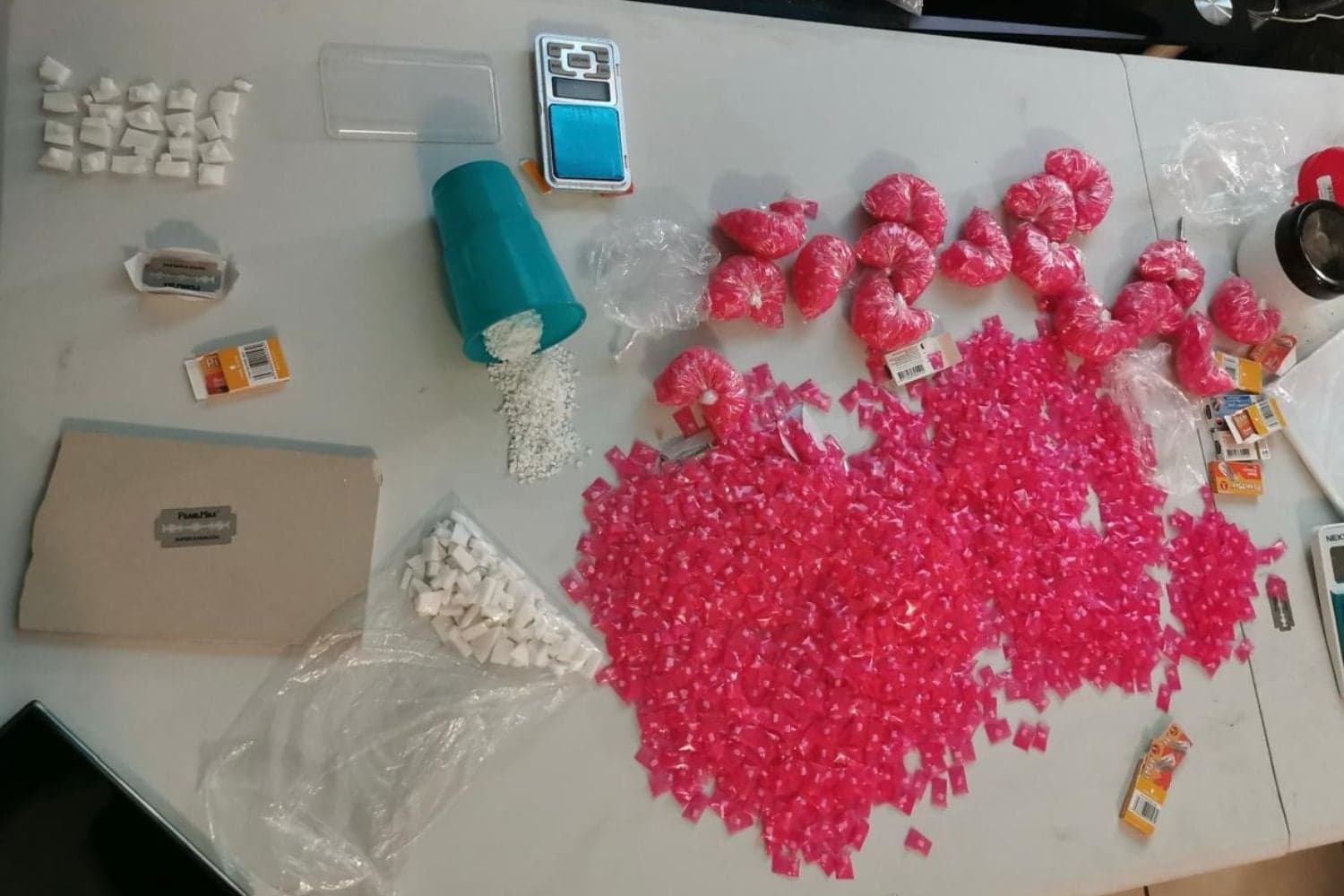
KZN Drug Bust: Trio Arrested and R1 Million Rock Cocaine Seized in Major Police Crackdown
Three suspects have been arrested in KwaZulu-Natal following a major police operation that yielded R1 million worth of rock cocaine. The bust highlights ongoing efforts by law enforcement to disrupt illicit drug supply chains in the province.
R600m Meth Lab Bust Sparks Fears of Mexican Cartel Infiltration in South Africa
A massive R600 million methamphetamine laboratory bust in South Africa has raised serious concerns over the potential involvement of Mexican drug cartels. The scale of the operation highlights the growing threat of transnational organized crime networks establishing manufacturing hubs within the country.

Stuart Scharnick remanded in custody on firearm charges
Stuart Scharnick is set to remain behind bars after being remanded in custody on gun charges. The decision highlights the strict approach South African courts take toward firearm-related offences as the investigation continues.

Two arrested over the murder of South African boxer Zolani Tete
Authorities have arrested two suspects in connection with the murder of boxer Zolani Tete. The breakthrough marks a significant development in the investigation as the public awaits further details on the charges and legal proceedings.