Fine, Cool to Warm Weather Expected Across South Africa as Spring Approaches
South Africa is set to experience fine, cool to warm weather conditions as winter begins to transition into spring. While the general national outlook is positive, specific regional temperature ranges and wind forecasts remain to be detailed.
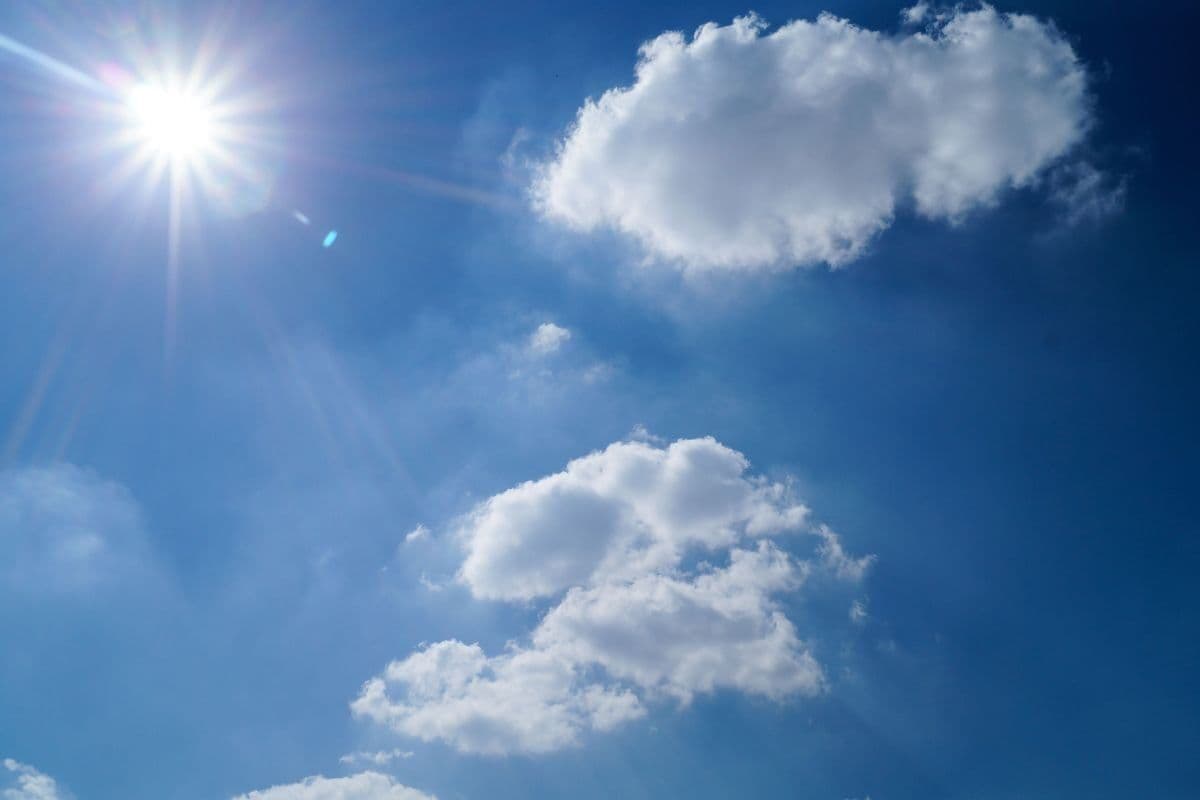
South Africans can look forward to a break from the harsh winter elements as the latest national weather outlook projects fine, cool to warm conditions across the country. According to reports captured on 23 August 2026, this mild weather pattern signals a welcome reprieve for residents who have navigated a demanding winter season. The transition towards more moderate temperatures is expected to influence daily routines and outdoor activities as the country edges closer to the spring season.
Late August traditionally represents a pivotal transitional phase in South Africa's meteorological calendar. During this time, the severe cold fronts that frequently sweep across the southern and inland regions begin to subside, making way for more stable atmospheric conditions. The projection of fine and warm weather is highly characteristic of this seasonal shift, offering a gradual increase in daytime temperatures while maintaining a cool, comfortable breeze in many parts of the country.
The current meteorological data indicates that the dominant conditions will range from "fine" to "cool to warm." In South African weather terminology, "fine" conditions generally imply clear skies with minimal cloud cover, allowing for maximum sunshine throughout the day. The combination of cool morning starts followed by warmer afternoon temperatures is a classic hallmark of late August, requiring citizens to adapt to fluctuating conditions between sunrise and sunset.
While the broad outlook of fine and warm conditions provides a general overview, specific regional details remain undisclosed in the preliminary reports. It is currently unclear how these conditions will manifest across South Africa's diverse geographical zones. For instance, the coastal regions of the Western Cape and KwaZulu-Natal often experience vastly different wind and moisture patterns compared to the dry, high-altitude interior of Gauteng and the Free State. Detailed provincial temperature ranges, wind speeds, and potential rain percentages have not been specified in this initial alert.
The transition to warmer daytime conditions has immediate practical implications for South African households and industries. With warmer afternoons, the demand on the national electricity grid for space heating is expected to decrease during peak daytime hours, though cool evenings may still necessitate some heating. For the agricultural sector, particularly dry-land farmers preparing for the upcoming planting season, fine and warm conditions assist in soil preparation, though the lack of immediate rain details will require close monitoring.
Despite the pleasant nature of "fine" weather, late August in South Africa is also associated with specific environmental challenges. Dry, warm, and windy conditions during this transitional period can significantly elevate the risk of veld fires, particularly in the grass-dominated inland provinces. Residents are urged to remain cautious when handling open flames or operating machinery in dry areas. Additionally, the increasing strength of the sun's rays during late August means that outdoor workers and school children should begin taking sun protection measures seriously.
As the week progresses, South Africans should monitor local updates from the South African Weather Service (SAWS) to obtain precise, localized forecasts for their specific municipalities. Regional updates will be crucial for identifying any sudden changes, such as late-season cold fronts or localized wind warnings, which are common during this time of year. Staying informed through official channels will ensure that communities can safely enjoy the finer weather while remaining prepared for any sudden meteorological shifts.
Reporting record
How this story was produced
This article was AI-generated from the frozen trend evidence and passed deterministic quality and safety gates. No cross-provider evidence review or independent human verification is claimed for this record.
- Byline
- Newstrends AI Newsroom
- First published
- Last material update
- No later material update recorded
- Distinct source identifiers
- 1 retained source identifier
Frozen source links for this publication
Chronology
Story timeline
A generated chronology for orientation; dates and details may require source verification.
Update
National weather outlook indicates fine, cool to warm conditions across South Africa.
Reader file
Frequently asked questions
01What kind of weather is expected in South Africa?
The country can expect fine, cool to warm conditions, indicating clear skies and mild daytime temperatures.
02Are there specific regional temperature details available?
No, specific provincial temperatures and regional wind or rain details have not been specified in this general outlook.
Keep reading
Related coverage
More published reporting connected to this story.
Fine Weather Expected Across South Africa on Monday, with Rain Possible on Tuesday
South Africans can expect clear and fine weather across the country on Monday, providing a pleasant start to the week. However, a shift in weather patterns may bring rain to several regions by Tuesday.
South Africa Weather: Fine Conditions Expected as Fog and Clouds Hit Parts of the Country
South Africans are experiencing a mix of fine weather conditions alongside localized fog and cloud cover. While some regions enjoy clear skies, others face reduced visibility as the country navigates late-winter transitional weather.
Partly Cloudy Skies and Isolated Rain Forecast for South Africa
South Africans can expect a combination of partly cloudy conditions and isolated rain showers on Thursday, 20 August 2026. While regional specifics remain unconfirmed, the transitional weather pattern highlights the need for commuter caution.
Weather Update: What South Africans Can Expect This Sunday
A national weather update has been published ahead of Sunday, prompting South Africans to check regional forecasts. While broad alerts are circulating, residents are advised to monitor localized reports for specific temperature and rainfall details.
Sunday weather update published: What South Africans need to know ahead of the weekend's close
South Africans planning their Sunday activities are looking to the latest meteorological forecasts following a weather update published by national media. While specific regional temperatures and rain projections remain unconfirmed in initial alerts, the update highlights the ongoing importance of daily weather tracking.