Fadiel Adams Under Fire: Prominent Political Figure Faces Intense Scrutiny in New Report
South African political figure Fadiel Adams is reportedly under fire following a new media report published on 10 August 2026. While specific details remain limited, the development has sparked widespread interest across the country's political landscape.
On 10 August 2026, prominent South African political figure Fadiel Adams found himself at the centre of intense public and media scrutiny. According to a report published by Independent Online (IOL), Adams is currently "under fire," marking a significant moment of tension in the local political landscape. While the initial report highlights growing pressure on the leader, specific details regarding the exact nature of the allegations or the source of the criticism remain closely guarded as the story develops.
The announcement of Adams being "under fire" has rapidly gained traction online, classified as a viral news trend within South Africa. For local observers, the development comes as no surprise given Adams's highly visible and often controversial role in municipal and national politics. As a public figure known for his outspoken stance on community issues, any significant challenge to his position or conduct inevitably draws widespread public interest and media coverage across the country.
At this stage, the precise circumstances surrounding the pressure on Adams have not been fully detailed in the preliminary reports. In South African politics, public representatives frequently face intense scrutiny from political opponents, community organisations, and internal party factions. Whether the current backlash stems from municipal governance disputes, policy disagreements, or specific administrative challenges remains a key question that political analysts and the public are eager to resolve.
The role of major national publications like IOL in breaking such developments is critical to public accountability. By highlighting that a prominent figure is "under fire," the media sets the stage for formal responses from both the individual in question and the organisations they represent. In South Africa's robust democracy, media reports often serve as the catalyst for official investigations, public debates, and demands for transparency from elected officials.
For the general public, particularly residents who closely follow local government affairs, the situation warrants close attention. Political leaders under pressure can face significant hurdles in executing their duties, which can have knock-on effects on community representation and council proceedings. As a result, supporters and detractors alike are waiting to see how Adams responds to the mounting criticism and whether formal statements will be issued to clarify the situation.
As the story continues to unfold, the focus will inevitably shift to the official reactions from Adams's political colleagues and opponents. In the highly competitive arena of South African politics, such developments are often met with swift calls for accountability or, conversely, robust defence from loyal supporters. The coming days are expected to reveal more concrete information regarding the specific grievances that have put Adams in the spotlight on this occasion.
Ultimately, this developing story underscores the continuous and intense scrutiny faced by political figures in South Africa. With the initial report from 10 August 2026 serving as a starting point, the public remains reliant on further investigative updates to fully comprehend the gravity of the situation. Until more comprehensive details are officially released, the political community will continue to monitor the situation closely, anticipating the next turn of events in this unfolding narrative.
Reporting record
How this story was produced
This article was AI-generated from the frozen trend evidence and passed deterministic quality and safety gates. No cross-provider evidence review or independent human verification is claimed for this record.
- Byline
- Newstrends AI Newsroom
- First published
- Last material update
- No later material update recorded
- Distinct source identifiers
- 1 retained source identifier
Frozen source links for this publication
Chronology
Story timeline
A generated chronology for orientation; dates and details may require source verification.
Update
Independent Online (IOL) publishes a report indicating that Fadiel Adams is under fire, sparking viral interest in South African political circles.
Reader file
Frequently asked questions
01What is the latest report regarding Fadiel Adams?
According to a report published by IOL on 10 August 2026, Fadiel Adams is currently facing significant public and political pressure, described as being 'under fire'.
02What are the specific allegations against Fadiel Adams?
The initial reports have not yet detailed the specific reasons or allegations behind the current pressure he is facing. Further updates are expected as the story develops.
Keep reading
Related coverage
More published reporting connected to this story.
Public Land Concerns Raised in Mitchells Plain Following Calls for Transparency
An opinion piece published on Independent Online has sparked intense debate over the disposal of public land in Mitchells Plain. Residents and activists are calling for greater transparency and spatial justice before further state-owned properties are sold. Local authorities have yet to clarify the details of any pending land transactions in the area.

South Africa Urged to Prioritise Child Welfare Over Political Promises
An opinion piece published by The Citizen calls on South Africa to put children before promises. The commentary highlights the critical need for actionable child protection measures over empty political rhetoric.
Water Bankruptcy in South Africa: What Citizens Need to Know About the Emerging Crisis
Reports emerging on 24 July 2026 have highlighted the growing threat of 'water bankruptcy' in South Africa. This critical concept refers to a state where water demand and financial mismanagement collapse municipal supply chains, urging immediate public awareness.
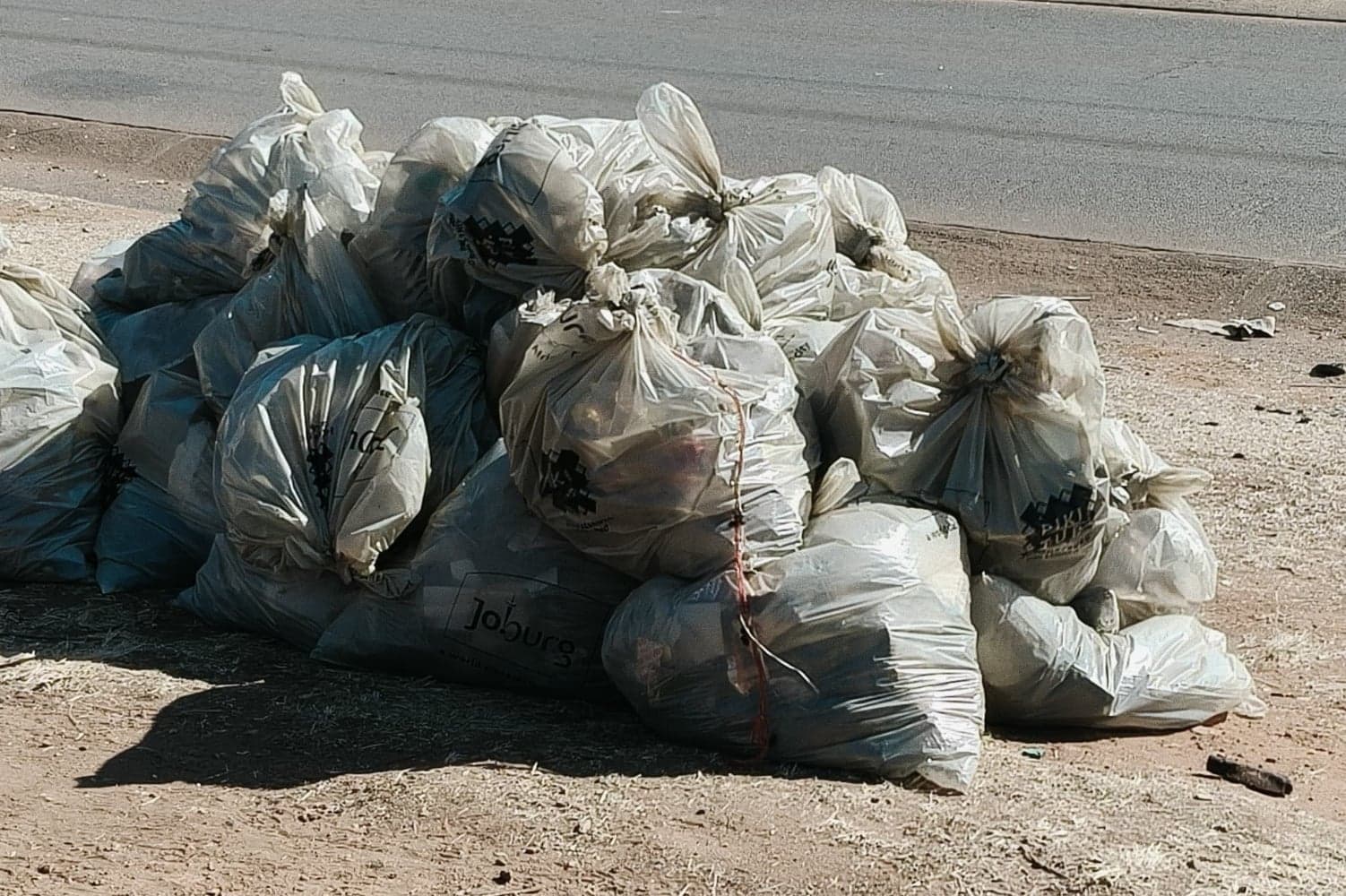
Pikitup Addresses Johannesburg Refuse Backlog With Expected Clearance Timeline
Johannesburg’s waste utility, Pikitup, has indicated when it expects to clear the refuse collection backlog currently affecting several suburbs. While a recovery plan is underway, residents are advised to monitor official channels for localized service schedules.
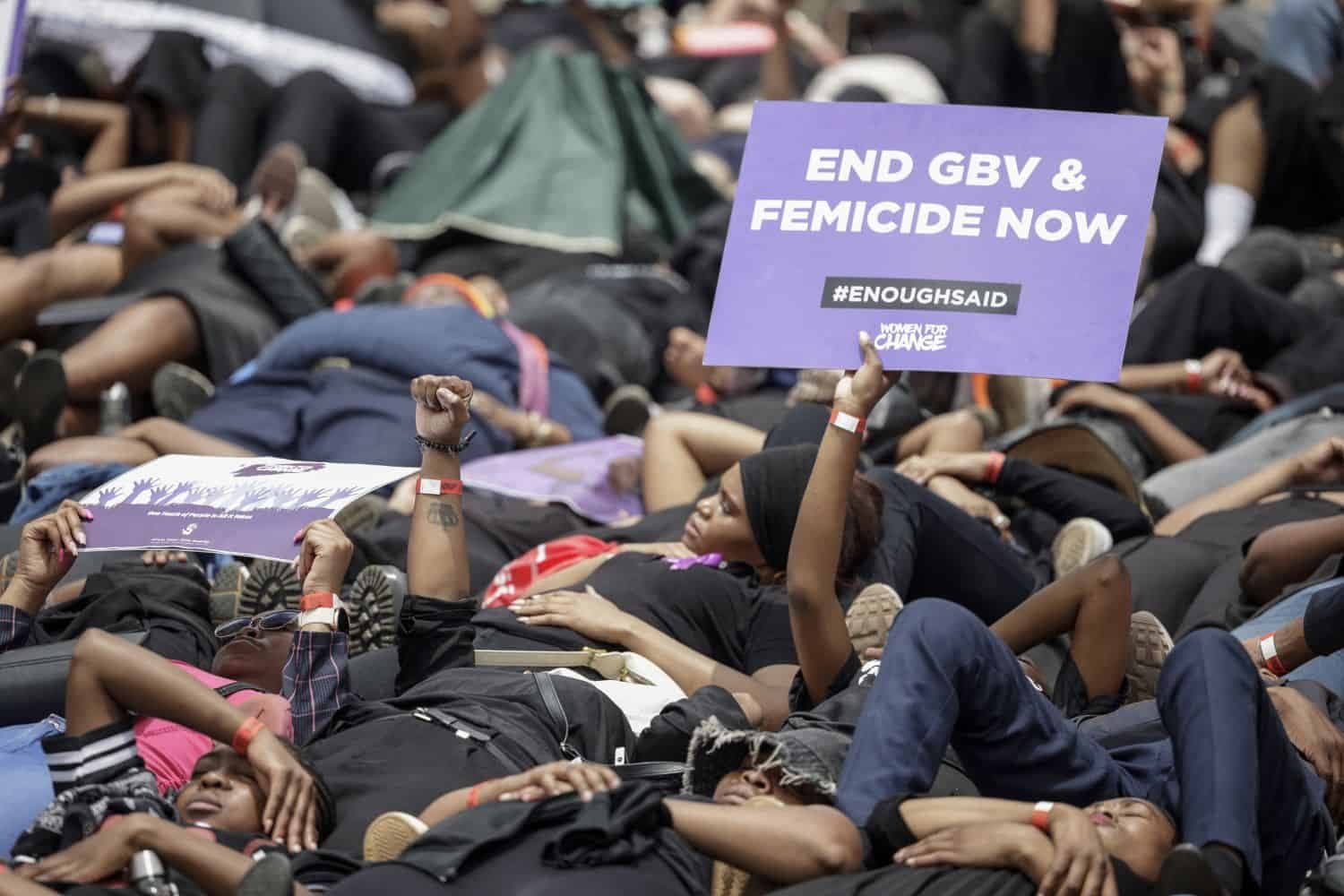
Cosatu Slams New GBVF Council Line-Up as Another 'Bums-on-Seats' Body
The Congress of South African Trade Unions (Cosatu) has strongly criticized the newly announced Gender-Based Violence and Femicide (GBVF) council line-up. The federation dismissed the structure as a 'bums-on-seats' body, raising concerns over the country's institutional fight against gender-based violence.