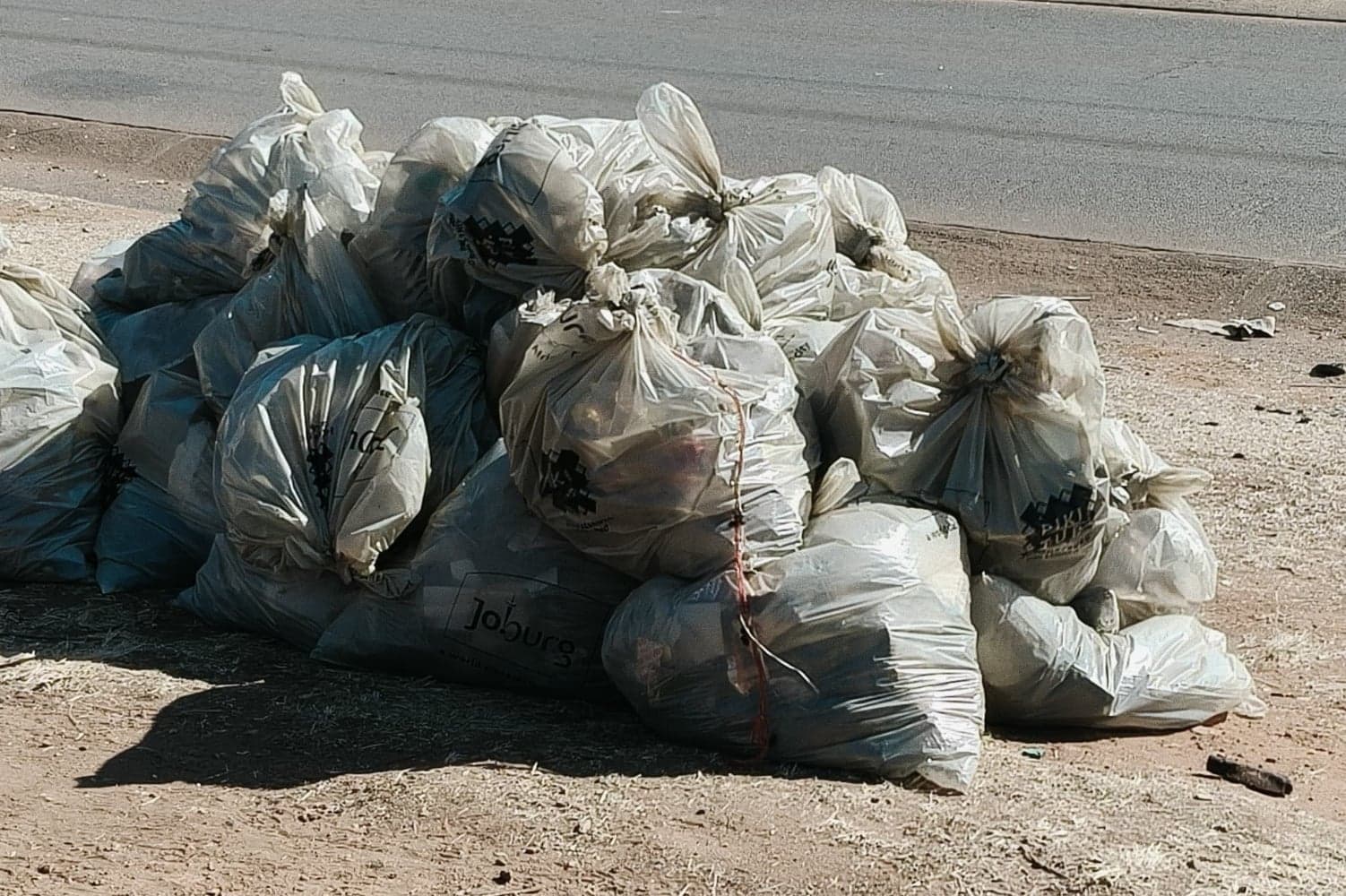
Johannesburg residents facing mounting waste challenges have received an update regarding when the city’s waste management utility, Pikitup, expects to clear the current refuse collection backlog. According to reports emerging on 8 August 2026, the utility has formulated a targeted recovery plan to address the delays that have left wheelie bins lining the streets of several suburbs across the metro.
The issue of uncollected refuse is a critical concern for Africa's economic hub, where service delivery disruptions quickly escalate into public health and environmental hazards. Pikitup’s latest projection offers a timeline for restoring regular services, although the specific operational details and localized schedules for individual neighborhoods remain a key point of interest for affected households and businesses.
In analyzing the available information, it is clear that Pikitup is under immense pressure to restore normalcy to its scheduled waste removal routes. While the utility has indicated an expected window for resolving the backlog, the precise start and end dates for the recovery operations in specific regions of Johannesburg have not been fully unpacked in the initial reports. This lack of granular detail means residents must remain vigilant and monitor local depot announcements.
Furthermore, the underlying causes of this specific refuse collection backlog remain largely unconfirmed in the immediate reports. Historically, waste collection delays in Johannesburg have been triggered by a variety of systemic challenges, including fleet maintenance issues, labor disputes, fuel supply constraints, or disruptions at local landfill sites. However, without explicit confirmation from Pikitup regarding the root cause of this latest disruption, it remains unclear which of these factors primarily contributed to the current crisis.
The significance of Pikitup's recovery plan cannot be overstated for a city of Johannesburg's scale. As the official waste management entity owned by the City of Johannesburg, Pikitup is tasked with servicing millions of residents and managing thousands of tons of waste daily. When the system falters, the knock-on effects are felt immediately, leading to increased instances of illegal dumping, scavenged waste blocking pavements, and heightened frustration among ratepayers who expect consistent service delivery.
For residents navigating the current backlog, the practical implications are clear. Municipal guidelines generally advise households to keep their refuse bins inside their properties if collection does not occur on the scheduled day, to prevent waste from being scattered by animals or wind. Keeping bins secured also reduces the risk of theft or vandalism. Residents are encouraged to report missed collections through official municipal channels, though during a widespread backlog, systemic recovery is usually managed on an area-by-area basis.
Moving forward, the key indicator of success will be whether Pikitup can adhere to its projected timeline and successfully clear the accumulated waste without further operational setbacks. Observers and civic groups will be watching closely to see if the utility deploys additional resources, such as weekend shifts or contracted support, to expedite the cleanup process. The coming days will reveal whether the city's waste infrastructure can robustly recover from these recurrent service bottlenecks.
In conclusion, while Pikitup’s announcement of an expected clearance timeline brings a degree of reassurance to Johannesburg's residents, the proof of its effectiveness lies in the visible clearance of the streets. Until the backlog is fully resolved, residents are advised to stay informed through official City of Johannesburg communication channels and regional depot updates to verify when their specific areas will see relief.