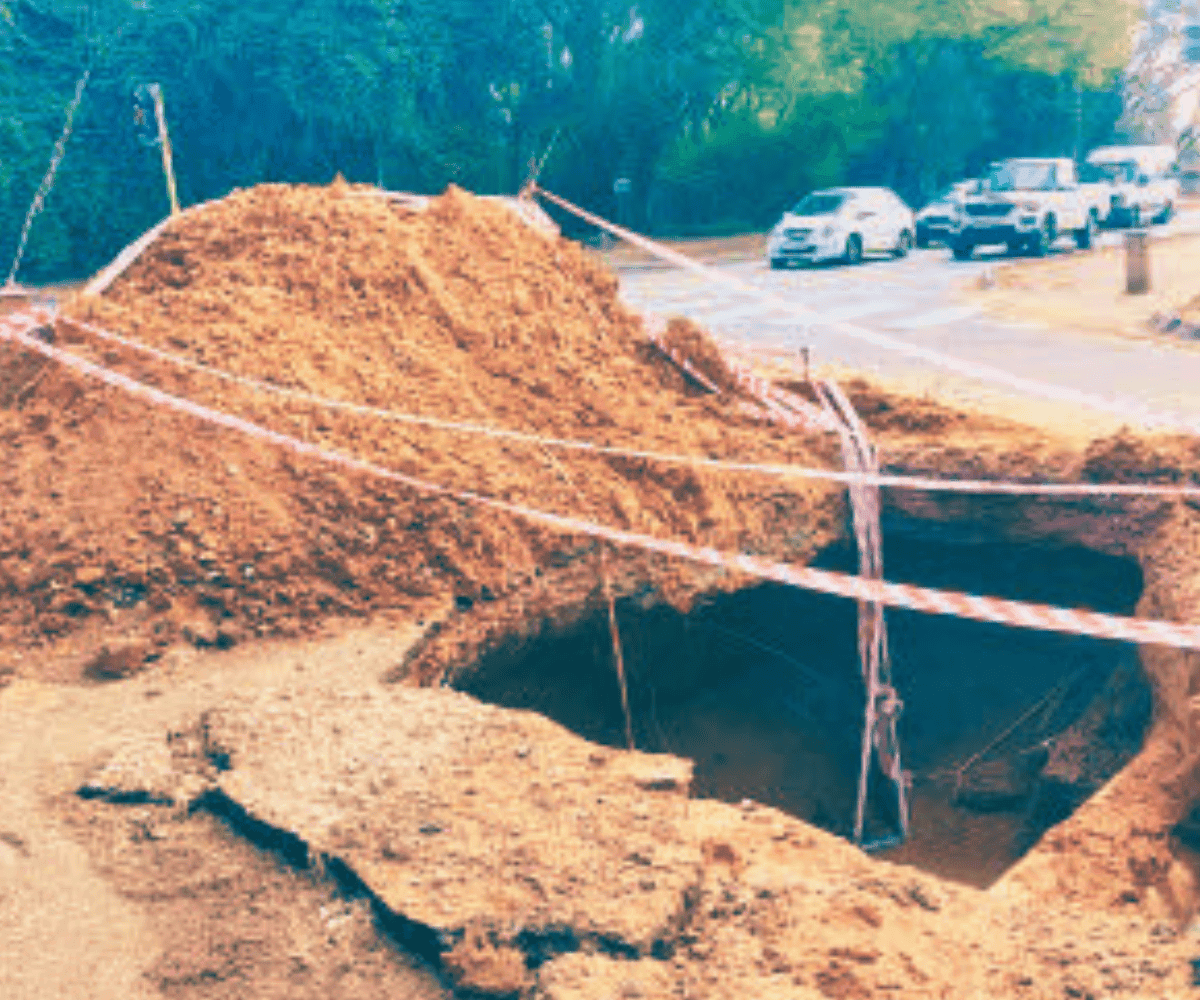
The Department of Water and Sanitation (DWS) has officially linked a wastewater treatment plant in Ermelo to ongoing sewage pollution. This finding, reported on 15 September 2026, highlights critical concerns regarding municipal infrastructure management and environmental protection in the region. As the national custodian of water resources, the DWS's intervention underscores the severity of the infrastructure challenges facing local communities.
According to initial reports published by Independent Online (IOL), the regulatory body identified the Ermelo facility as a primary source of contamination. While the DWS has confirmed the link between the wastewater treatment plant and the sewage pollution, many specific details surrounding the investigation remain undisclosed. The announcement has nonetheless sparked urgent discussions about water safety and municipal accountability.
At this stage, several critical details concerning the pollution incident have not been made public. It remains unclear exactly how long the sewage leak has been occurring, what volume of untreated effluent has escaped into the environment, and which specific local rivers or water systems have been directly affected. Furthermore, the official response or mitigation strategy from the local municipality responsible for operating the Ermelo plant has yet to be detailed.
In South Africa, the Department of Water and Sanitation plays a pivotal role as the regulator of water services authorities. When municipal wastewater systems fail to meet national standards, the DWS is tasked with issuing compliance notices and directives to compel local governments to rectify the failures. The linking of the Ermelo plant to sewage pollution represents a formal step in this regulatory process, signaling that the department is actively monitoring the facility's impact on local ecosystems.
The situation in Ermelo reflects a broader, systemic challenge across South African municipalities, where wastewater treatment works frequently struggle with maintenance, capacity constraints, and operational inefficiencies. The national department utilizes regulatory frameworks, such as the Green Drop certification programme, to assess and report on the state of wastewater management. Although the specific current Green Drop status of the Ermelo plant was not detailed in the initial report, such infrastructure failures generally point to underlying maintenance deficits.
The implications of untreated sewage entering local water systems are severe for both communities and the environment. Sewage pollution introduces harmful pathogens, elevated nutrient levels, and chemical contaminants into watercourses, risking the health of residents who rely on these water sources for domestic use or agricultural irrigation. Additionally, aquatic ecosystems face immediate degradation, as high levels of organic waste deplete oxygen levels in the water, leading to die-offs of fish and other aquatic life.
Under the National Water Act, the DWS has the authority to take stringent legal action against entities—including municipalities—that fail to prevent pollution. These measures can range from administrative directives demanding immediate remediation plans to criminal charges against responsible officials in cases of egregious negligence. Whether the DWS will pursue formal administrative or legal remedies against the operators of the Ermelo plant remains a key point of observation for environmental watchdogs.
Moving forward, the public and local stakeholders will be watching closely for a formal response from the local municipality managing the Ermelo wastewater plant. Observers are also waiting for the DWS to release comprehensive testing results, which would clarify the geographical extent of the contamination and outline the necessary steps for ecological rehabilitation. The resolution of this issue will serve as an important indicator of the government's capability to enforce environmental compliance at the municipal level.